In anticipation of its official release, the new ultra-thin iPhone Air from Apple has sparked a diverse range of opinions among the experts at The Verge. This article compiles their immediate reactions, touching upon both the innovative features and potential drawbacks of this latest mobile device. The staff's candid feedback provides a preliminary look at what consumers might expect, with a detailed review slated for publication at a later date.
The Verge Staff Weighs In on the iPhone Air's Debut
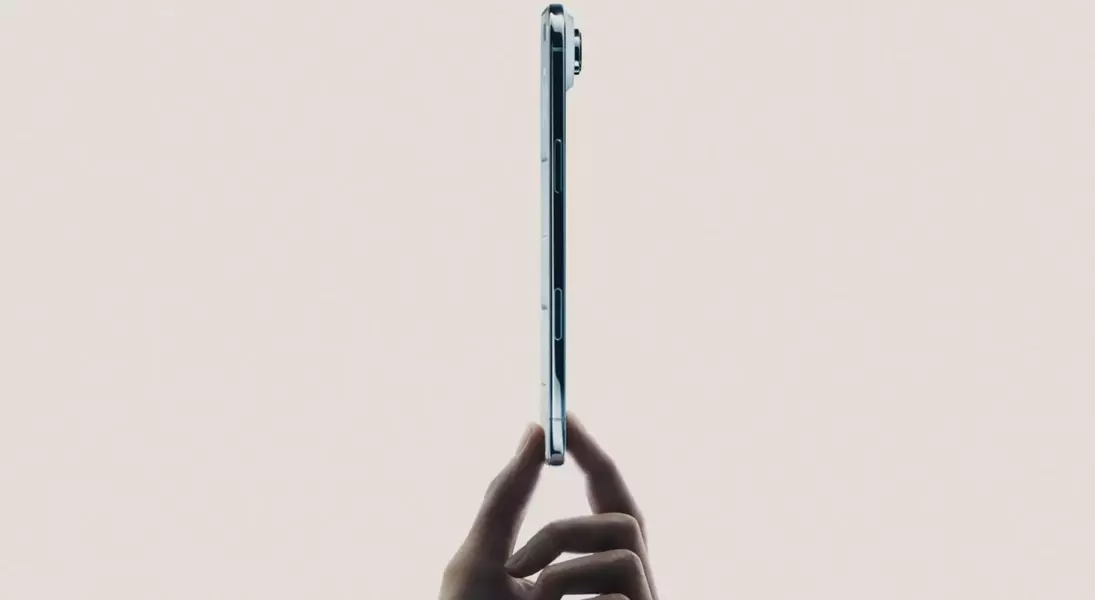
Apple has recently unveiled its latest innovation, the remarkably svelte iPhone Air, set to hit the shelves on September 19th. This device, measuring a mere 5.6mm in thickness, showcases a 6.5-inch ProMotion display, a sophisticated 48-megapixel dual camera system, and a selfie camera equipped with Center Stage functionality. These impressive specifications, alongside other enhancements, aim to redefine the smartphone experience.
The tech enthusiasts at The Verge have wasted no time in sharing their initial impressions of the iPhone Air. While a thorough analysis is pending, their early responses offer valuable insights. The phone will be available for pre-orders starting September 12th.
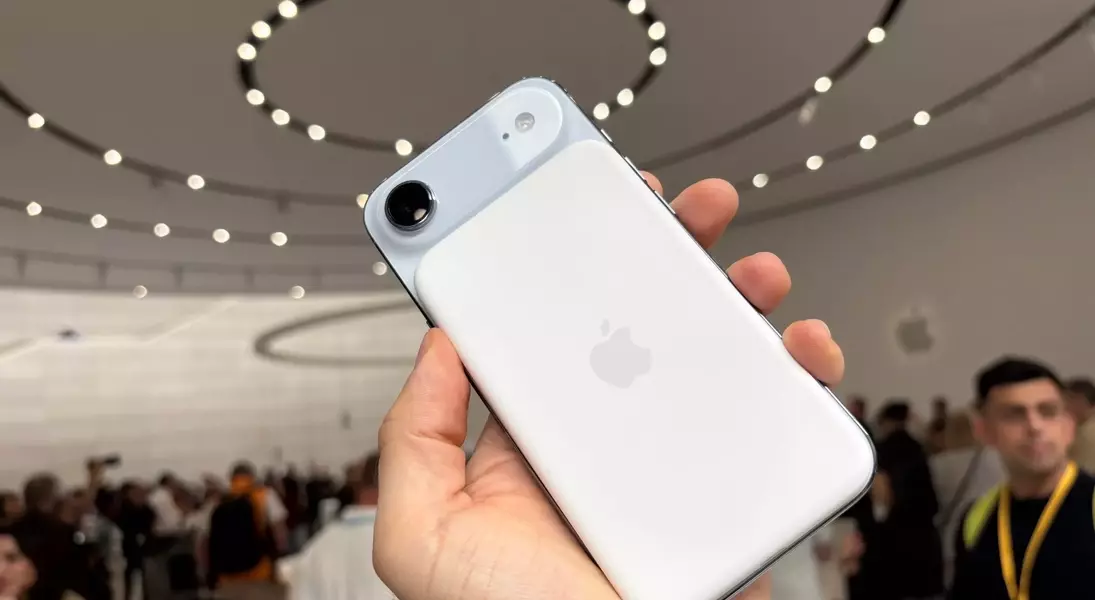
A significant point of discussion among the staff revolves around the device's extreme thinness. Thomas Ricker, a deputy editor, questions the practicality of an ultra-slim phone if users inevitably add a protective case, thereby negating its slender profile. He also points out the irony of the optional $99 MagSafe Air battery, which, when attached, would undermine the phone's slim advantage and potentially highlight its inherent battery limitations compared to other models like the iPhone 17 or 17 Pro.
Barbara Krasnoff, the reviews editor, expresses her enthusiasm for a lighter phone, drawing a comparison to her current Pixel 6, which she finds cumbersome due to its weight, especially with a rugged case. She acknowledges the potential appeal of the iPhone Air's reduced weight, despite the battery pack add-on.
However, Antonio G. Di Benedetto, a reviewer, voices strong skepticism regarding Apple's renewed focus on thinness. He recalls Apple's past missteps with MacBooks, where the pursuit of a slim design led to flawed keyboards and ultimately, a costly class-action lawsuit. He argues that most users prioritize long-lasting battery life over a super-thin form factor, especially when it necessitates a separate battery accessory. He emphasizes that Apple had previously been lauded for making MacBooks thicker to improve battery life and keyboard quality, questioning why the company is repeating what he perceives as a misguided strategy.
Todd Haselton, a deputy editor for reviews and commerce, admits a personal preference for larger iPhones with extended battery life, like his iPhone 16 Pro Max. Despite Apple's claim of "all-day battery life" for the iPhone Air, he doubts its real-world performance without the additional battery pack. He humorously predicts that he would likely succumb to the device's allure and purchase the accessory, ultimately overlooking the original battery life concerns.
Nathan Edwards, a senior reviews editor, critiques Apple's marketing strategy, particularly their emphasis on 40 hours of video playback with the battery pack. He finds this metric misleading, likening it to breakfast cereals citing nutritional values "with a cup of 2% milk" – an attempt to inflate perceived performance. He underscores the absurdity of promoting a slim phone while simultaneously relying on an external battery for acceptable endurance.
Jess Weatherbed, a news writer, expresses disappointment that Apple did not offer a larger "Plus" version of the base iPhone 17. While the iPhone Air's 6.5-inch screen offers a similar size, she finds herself more drawn to the additional features and the striking orange color of the 17 Pro Max. Nonetheless, she recognizes that the lightweight design of the Air will undoubtedly appeal to those tired of bulky phones.
Emma Roth, another news writer, contemplates the aesthetic and tactile experience of the iPhone Air's prominent, pill-shaped camera bar. Comparing it to the Google Pixel 10's camera bump, she notes the single "dual fusion" lens on the Air stands out conspicuously. She jokingly likens its appearance to Cyclops' visor from Marvel Comics.
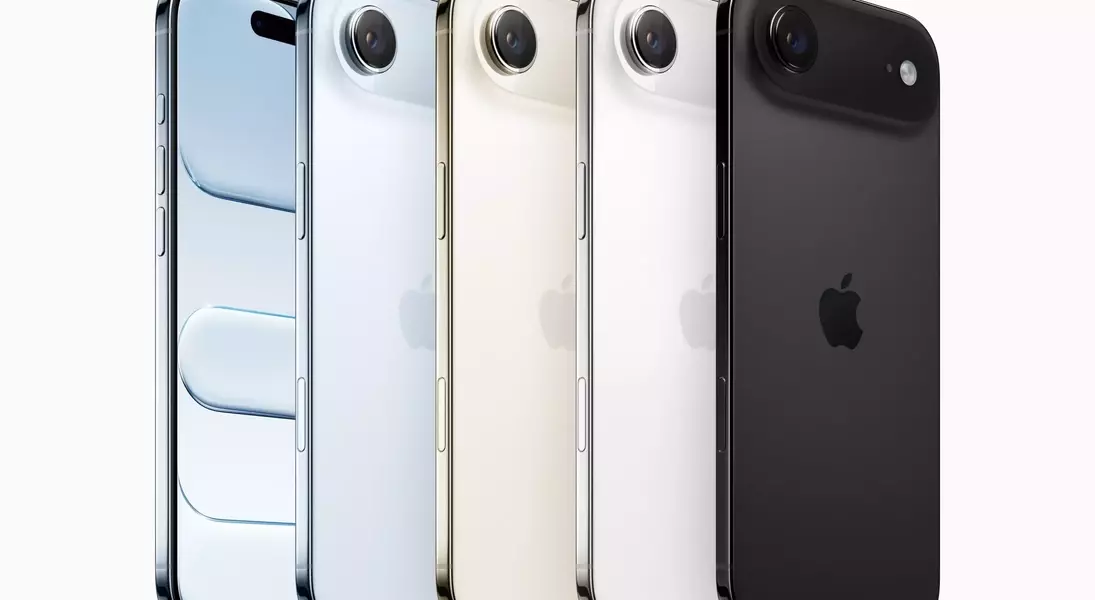
Jay Peters, a senior reporter, is particularly captivated by the "Sky Blue" color option, drawing a parallel to the appealing hue of Apple's M4 MacBook Airs. He acknowledges that while the Pro models offer more features, the Sky Blue may prove to be a compelling draw for him.
David Pierce, Editor at Large, offers a broader perspective, suggesting that the iPhone Air, despite its apparent limitations, might be a harbinger of Apple's future innovations. He highlights the extensive work Apple has invested in the phone's material design, durability, and features like "Ceramic Shield 2." Pierce believes that the underlying technologies and design choices in the iPhone Air are crucial steps towards developing future devices, such as foldable phones, much like the original MacBook Pro paved the way for significant technological advancements despite its initial flaws.
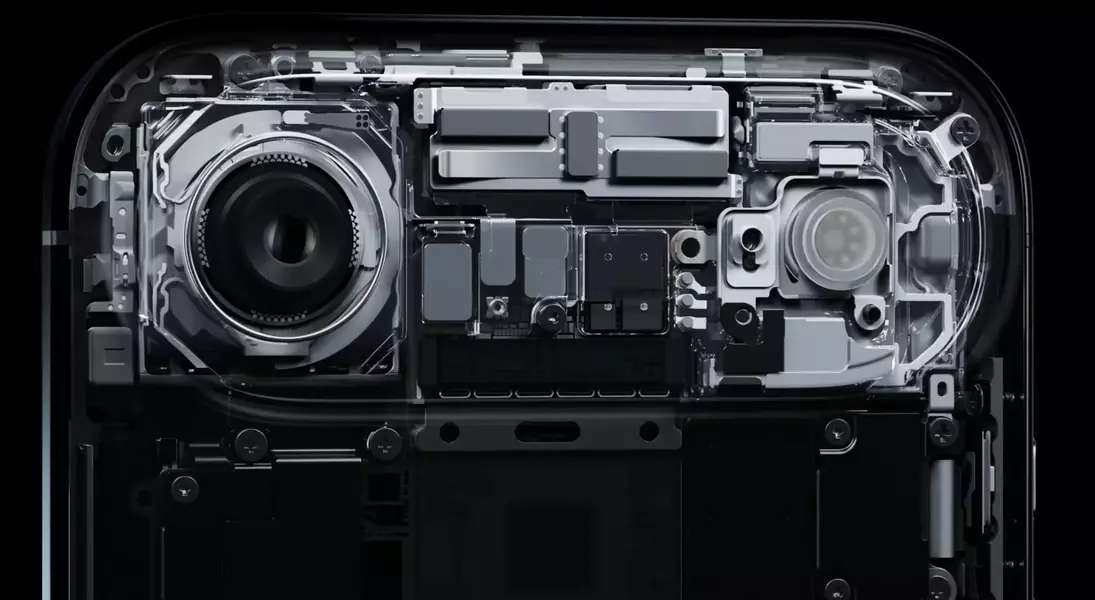
Cameron Faulkner, a commerce editor, echoes Pierce's sentiment, suggesting that the iPhone Air's new "plateau" (the integrated camera, speaker, and silicon module) is a key indicator of Apple's intent to develop foldable devices. He argues that the ability to compartmentalize components while maintaining a thin profile and maximizing battery space is vital for the success of future foldable phones. Faulkner concludes that while the iPhone Air itself may not be the definitive future, its internal engineering strongly hints at Apple's ambitious plans for foldable technology.
The discourse surrounding the iPhone Air reveals a fascinating tension between design aesthetics and practical functionality. While Apple's relentless pursuit of thinness is undeniably impressive from an engineering standpoint, the market's increasing demand for robust battery life poses a significant challenge. This dynamic highlights a broader trend in consumer technology: the delicate balance between cutting-edge design and everyday usability. For consumers, the decision will ultimately come down to personal priorities—whether the allure of a feather-light device outweighs the potential inconvenience of relying on external power solutions. For Apple, the iPhone Air serves as a bold statement, showcasing advanced miniaturization while perhaps subtly hinting at a future where such compact engineering will enable entirely new form factors, such as the much-anticipated foldable iPhone.
