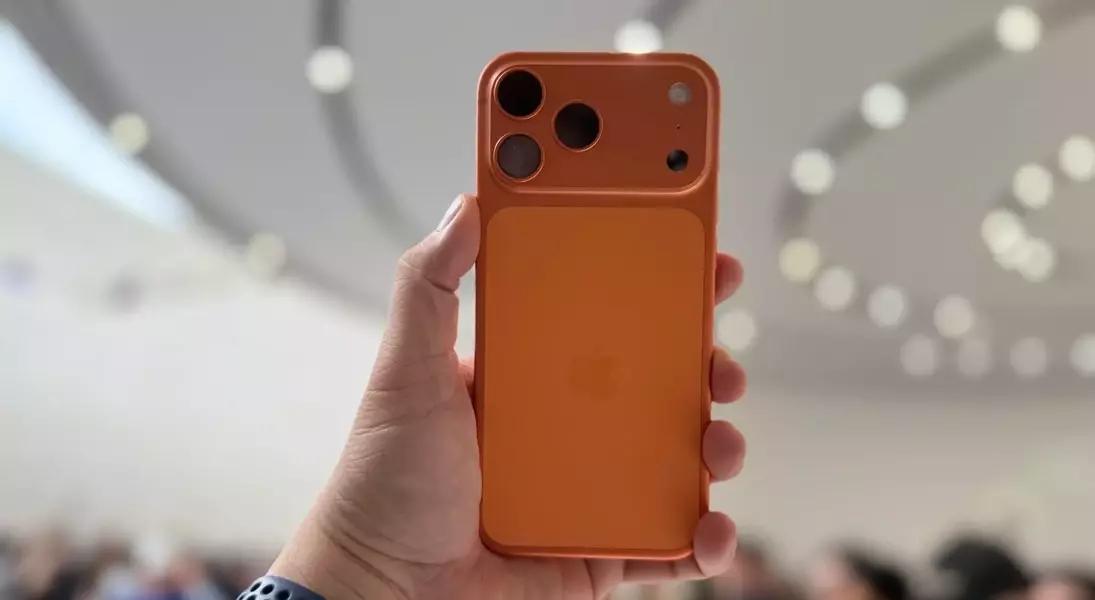
Apple has officially introduced its newest generation of smartphones, the iPhone 17 series, which ignites fresh competition in the premium smartphone market, especially against established rivals like Google's Pixel and Samsung's Galaxy devices. While the entire iPhone 17 lineup boasts numerous advancements over its predecessor, the iPhone 16, the most notable improvements are undoubtedly concentrated in the camera systems. This article provides an in-depth look at how the iPhone 17 Pro's sophisticated camera technology measures up against the cutting-edge photographic capabilities of the Google Pixel 10 Pro and the Samsung Galaxy S25 Ultra.
Detailed Camera Analysis: iPhone 17 Pro vs. Leading Competitors
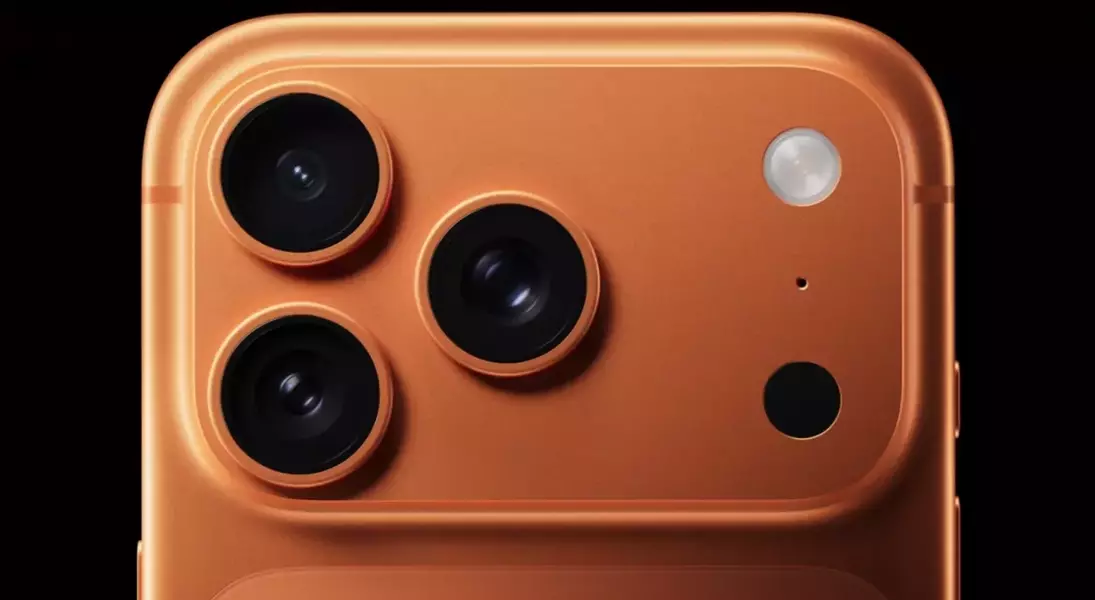
Anticipation is building for hands-on reviews, but initial specifications reveal that the iPhone 17 Pro's camera received a substantial upgrade. For the first time, all three rear lenses—main, ultra-wide, and telephoto—on the iPhone 17 Pro now feature a 48-megapixel sensor. Furthermore, its telephoto lens offers an impressive 8x optical zoom, marking a significant leap in photographic range and detail capture.
Apple's innovative Fusion camera system ingeniously integrates multiple camera functionalities into each lens, effectively equipping the iPhone 17 Pro with eight distinct 'virtual' camera lenses for enhanced versatility. In contrast, the Google Pixel 10 Pro offers a formidable camera setup comprising a 50-megapixel wide lens, a 48-megapixel ultrawide lens, and a 48-megapixel telephoto lens with 5x optical zoom. However, the Samsung Galaxy S25 Ultra appears to retain its leading position in terms of raw megapixels, featuring a quad-camera system that includes a staggering 200-megapixel main sensor, a 12-megapixel ultrawide lens, a 10-megapixel 3x telephoto lens, and a 50-megapixel 5x telephoto lens. For users prioritizing high-resolution imaging, the Galaxy S25 Ultra seems to offer an unparalleled experience.
The iPhone 17 Pro also brings a much-anticipated upgrade to its front-facing camera, introducing an 18-megapixel Center Stage camera. This new selfie camera boasts advanced features such as video stabilization and automatic framing adjustments for group photos, powered by a larger, square sensor. Despite these innovations, the Google Pixel 10 Pro still presents a strong challenge with its 42-megapixel front camera, which also outshines the Galaxy S25 Ultra's 12-megapixel selfie camera. Nevertheless, real-world testing will be crucial to fully assess the iPhone 17 Pro's new sensor capabilities.
Ultimately, choosing the best smartphone camera depends heavily on individual preferences and specific use cases. Some users might favor a particular device's color profile or image processing, while others may prioritize video capabilities, where Apple typically excels. Conversely, Samsung often leads in sheer image quality, and Google is renowned for its advanced computational photography. As the official launch day for the iPhone 17 Pro approaches on September 19, consumers are advised to await comprehensive reviews before making a definitive decision.
The ongoing rivalry between Apple, Google, and Samsung continues to drive innovation in smartphone camera technology, pushing the boundaries of what these portable devices can achieve. Each new iteration brings us closer to professional-grade photography in the palm of our hands, making the choice increasingly difficult but exciting for consumers. This constant evolution underscores the dynamic nature of the tech industry and its relentless pursuit of excellence in mobile imaging. It will be interesting to see how these devices perform in real-world scenarios and which one ultimately captures the hearts of photography enthusiasts.
