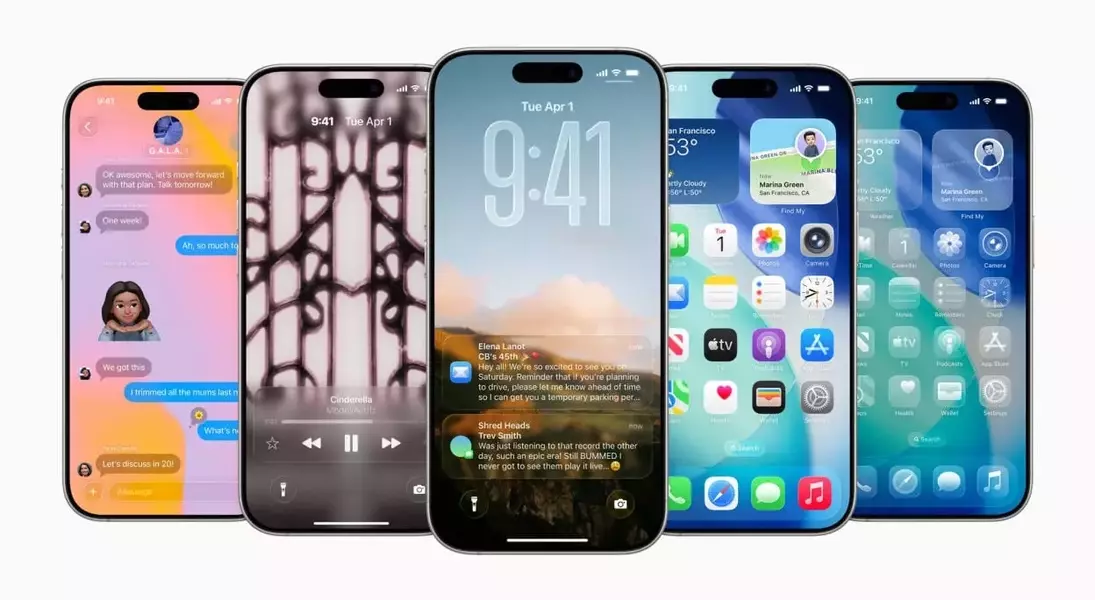
Apple is on the verge of rolling out a major new iteration of its mobile operating system, iOS 26. This forthcoming release promises a suite of innovative features, including a revamped visual interface dubbed 'Liquid Glass,' alongside improvements to real-time language translation and a much-anticipated reorganization of the Camera and Photos applications. However, as is often the case with significant software advancements, not all existing iPhone models will be capable of supporting this update. This presents a challenge for owners of older devices, as their phones will cease to receive essential software enhancements, effectively nudging them towards acquiring newer hardware to stay current within the Apple ecosystem.
This imminent software update signifies a critical juncture for iPhone users, as the shift from iOS 18 directly to iOS 26 marks a new naming convention focused on release years rather than sequential version numbers. While the new functionalities are exciting, the announcement inevitably means that a segment of the iPhone user base will find their devices reaching the end of their supported lifecycle. This strategic obsolescence encourages consumers to invest in the latest iPhone models to continue enjoying the full benefits of Apple's technological evolution, including advanced features like Apple Intelligence, which will be exclusively available on the most recent iPhone 15 and 16 models, and soon, the unreleased iPhone 17.
Understanding iOS 26 Device Support
The upcoming iOS 26 update from Apple introduces a range of enhancements, including a fresh 'Liquid Glass' aesthetic, improved live translation capabilities, and a streamlined layout for the Camera and Photos applications. This update is poised to debut at the September Apple Event. Nevertheless, not all existing iPhone models will be able to run this new operating system, meaning some users will miss out on the latest features and functional improvements. This ongoing cycle of updates encourages users of older devices to consider upgrading to more recent iPhone models to maintain full compatibility and access to the newest functionalities, highlighting Apple's strategy of planned technological progression.
Apple's latest operating system, iOS 26, is confirmed to be compatible with a broad range of its more recent iPhone models. The comprehensive list of supported devices includes the iPhone SE (second generation and subsequent models), all variants of the iPhone 11 (including the Pro and Pro Max), the entire iPhone 12 series (Mini, Pro, and Pro Max), the complete iPhone 13 lineup (Mini, Pro, and Pro Max), the full suite of iPhone 14 models (Plus, Pro, and Pro Max), and similarly, all iPhone 15 editions (Plus, Pro, and Pro Max). Additionally, the upcoming iPhone 16 series, encompassing the standard, Plus, Pro, Pro Max, and 16e versions, will also support iOS 26. Crucially, the as-yet-unannounced iPhone 17 is also expected to be fully compatible. This implies that any iPhone model predating the iPhone 11 will no longer receive these major software upgrades, effectively rendering them unable to utilize the cutting-edge features that iOS 26 brings. For instance, owners of iPhone X series devices, who received iOS 18 last year, will need to upgrade if they wish to experience the innovations within iOS 26. Furthermore, it is important to note that any advanced Apple Intelligence features will be limited to iPhone 15 and 16 models, with future support extending to the iPhone 17 upon its release.
The Impact of Software Evolution on iPhone Lifecycles
The introduction of each new iOS version brings with it an exciting array of new features and performance enhancements, but it also invariably draws a line, designating older iPhone models as incompatible with the latest software. This consistent pattern serves as a natural incentive for consumers to upgrade their devices, ensuring they can continue to access the most current advancements in Apple's ecosystem. The upcoming iOS 26 release, with its 'Liquid Glass' design and improved translation tools, is no exception, marking a point where some loyal users of older iPhones will need to decide whether to invest in a newer model to keep pace with technological progress.
Apple's iterative release of iOS updates, like the forthcoming iOS 26, plays a significant role in defining the lifecycle of its iPhone products. By introducing substantial new features and system improvements, Apple strategically encourages users to transition from older, unsupported models to newer ones. This ensures that a portion of the user base, particularly those with devices older than the iPhone 11, will eventually find themselves outside the cycle of major software support. This approach, while driving sales of new hardware, also means that older devices, even if physically functional, will gradually lose access to new security updates, feature enhancements, and potentially, compatibility with newer applications. This phenomenon, often termed 'planned obsolescence,' ensures a continuous demand for the latest iPhone models, as users seek to benefit from cutting-edge innovations such as the "Liquid Glass" design and enhanced AI capabilities that are exclusive to the most recent iPhone 15, 16, and anticipated iPhone 17 models.
