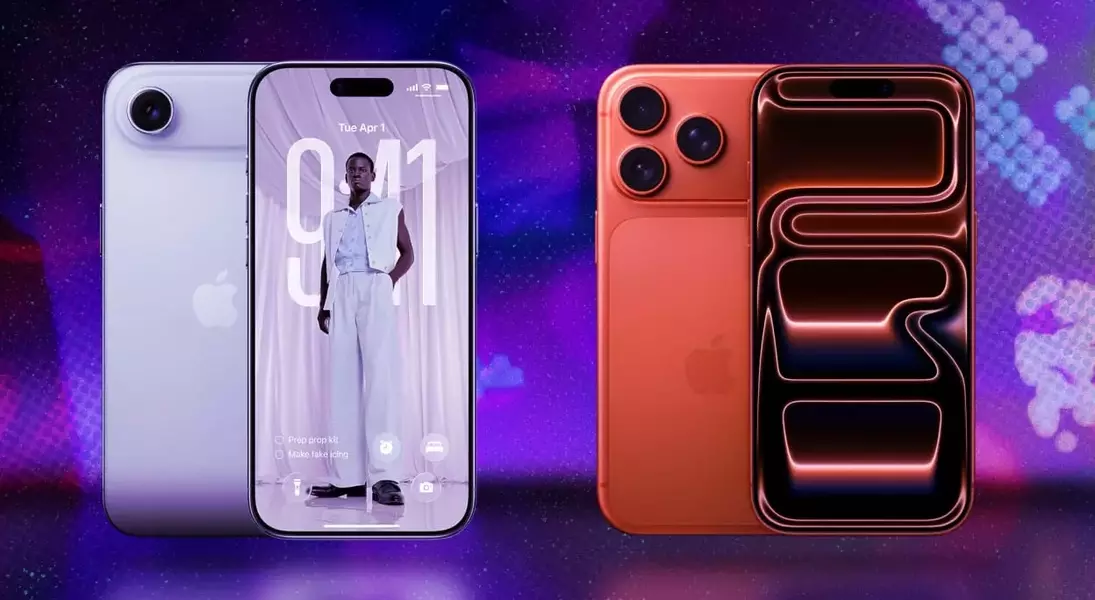
The author, a seasoned iPhone 14 Pro owner, recounts the typical wear and tear on their device, which usually signals an opportune moment for an upgrade, especially with Apple's new product launches. However, the recent unveiling of the iPhone 17 line, including the much-anticipated iPhone Air, has unexpectedly tempered their enthusiasm. Instead of prompting an immediate purchase, the new models' design philosophy and feature set, particularly the prominent camera arrays and the Air's minimalistic lens configuration, have led to a critical reevaluation of their upgrade path. This perspective challenges the notion that every new iteration automatically offers a superior user experience or justifies the significant investment.
A deeper look into the new iPhone offerings reveals specific concerns that deter a swift adoption. The iPhone Air, while boasting a sleek, ultra-thin profile, sacrifices camera quality with a single lens, a trade-off that the author believes is poorly compensated for by machine learning capabilities. This design choice, combined with anticipated poorer battery performance and aesthetically questionable pastel color options, positions the Air as a less desirable option. Similarly, the iPhone 17 Pro, despite its advancements in processing power and battery life, features a controversial camera 'plateau' and an unappealing MagSafe area design, leading to a general perception of an uninspired aesthetic. These factors collectively contribute to the author's decision to forgo an immediate upgrade, highlighting a disconnect between Apple's latest innovations and consumer expectations for design and practical utility.
The Dilemma of the iPhone Air: Style Over Substance?
The iPhone Air, marketed for its extreme thinness, presents a trade-off that many potential upgraders, including the author, find hard to justify. Its singular camera lens, a significant departure from the multi-lens setups now common even on standard models, raises concerns about photographic capability, despite Apple's claims of advanced machine learning compensation. This design choice leads to a perceived downgrade in functionality, questioning the utility of a device that prioritizes slimness over a robust camera system. Furthermore, the Air's reduced battery life necessitates additional accessories like a MagSafe battery pack to achieve parity with other models, adding to the overall cost and negating some of its initial portability advantages. The choice of pastel colors also contributes to a perception of a less premium product, which is uncharacteristic for Apple. These factors collectively diminish the appeal of the iPhone Air, particularly for users who value comprehensive performance and a premium aesthetic, leaving the author and others hesitant about adopting this model.
The emphasis on an ultra-slim form factor for the iPhone Air appears to be at odds with the practical needs and expectations of many smartphone users. While its thinness might appeal to a niche market prioritizing minimalist design, the compromise on the camera system—featuring only a single lens—is a significant drawback. This decision suggests a potential overreliance on software enhancements to compensate for hardware limitations, which may not satisfy users accustomed to superior photographic capabilities offered by multiple lenses. The noted concerns about battery longevity further complicate the Air's value proposition, as users may find themselves needing external power solutions, undermining the device's supposed sleek convenience. The selected color palette, described as "weirdly pastel," also detracts from the perceived luxury and sophistication traditionally associated with Apple products. These combined elements lead to a scenario where the iPhone Air, despite its novelty, struggles to present a compelling case for an upgrade, particularly for those who seek a balance of form and function rather than an extreme design choice.
The iPhone 17 Pro: Performance Gains Marred by Design Flaws
The iPhone 17 Pro, despite boasting significant technological advancements such as an A19 chip offering a 90% speed increase over its predecessors and substantially improved battery life, fails to convince the author due to its questionable design. The device's prominent camera 'plateau' and the oddly shaped MagSafe area are seen as aesthetic missteps that detract from the phone's overall visual appeal, especially when compared to the sleek and well-integrated camera design of previous models like the iPhone 14 Pro. This design choice is widely criticized on social media, with many users finding it unappealing. The author expresses a willingness to accept even the previous design if it meant avoiding the new, visually jarring elements. The high cost of upgrading, coupled with the unattractive design and the limited color options, ultimately leads the author to decide against purchasing the 17 Pro. The preference for an older, discontinued model (iPhone 16 Pro) underscores the strong dissatisfaction with the current design direction.
While the iPhone 17 Pro undeniably offers a leap forward in performance, with its formidable A19 chip and extended battery life, these internal enhancements are overshadowed by external design elements that prove to be a significant deterrent. The bulky and unconventional camera 'plateau,' described as double the size of its predecessors with no clear benefit, coupled with an uninspired credit card-shaped MagSafe area, clashes with Apple's reputation for elegant and minimalist design. This aesthetic regression is particularly disappointing for loyal users who value the sophisticated look of their devices. The high price point for an upgrade, exacerbated by an unfavorable trade-in value for older models, makes the unattractive design a critical factor in the purchasing decision. The author's contemplation of purchasing a now-discontinued iPhone 16 Pro, which retained a more appealing design, highlights the extent of this discontent. It suggests that for many consumers, technological advancements alone are not enough to justify an upgrade if the device's physical appearance falls short of expectations, indicating a potential 'plateau' in Apple's design innovation.
