
The digital gaming storefront Steam is currently grappling with an unprecedented backlog in its game approval process, causing significant frustration among independent developers. This situation has led to extended waiting periods for game releases and has sparked conversations about the platform's content moderation in the era of rapidly advancing AI technologies.
Navigating the New Realities of Game Publishing on Steam
Unforeseen Hurdles for Game Developers
A burgeoning issue has surfaced within the Steam platform, where game approvals are facing substantial delays. Independent game creators have openly voiced their concerns regarding the prolonged assessment of their finished titles. These developers are reporting that their applications remain unaddressed for up to three weeks, a stark contrast to Valve's stated review period of three to five working days. This delay is significantly impacting the launch strategies of small studios, as evidenced by games like Food Devils, Wheel Make It, and Cubic Earth, which are now in an uncertain waiting phase.
The Plight of Independent Creators
For developers such as structmira, the team behind Cubic Earth, the inability to communicate with Valve or proceed with their game's release has resulted in considerable setbacks. Despite accumulating over 60,000 trailer views on YouTube and more than 6,000 wishlists, the game's momentum is dwindling as player complaints accumulate on its Steam Community page. This scenario highlights the precarious position of indie developers, who often rely on timely launches to capture audience interest and sustain their projects.
Valve Acknowledges Delays and Introduces New Protocols
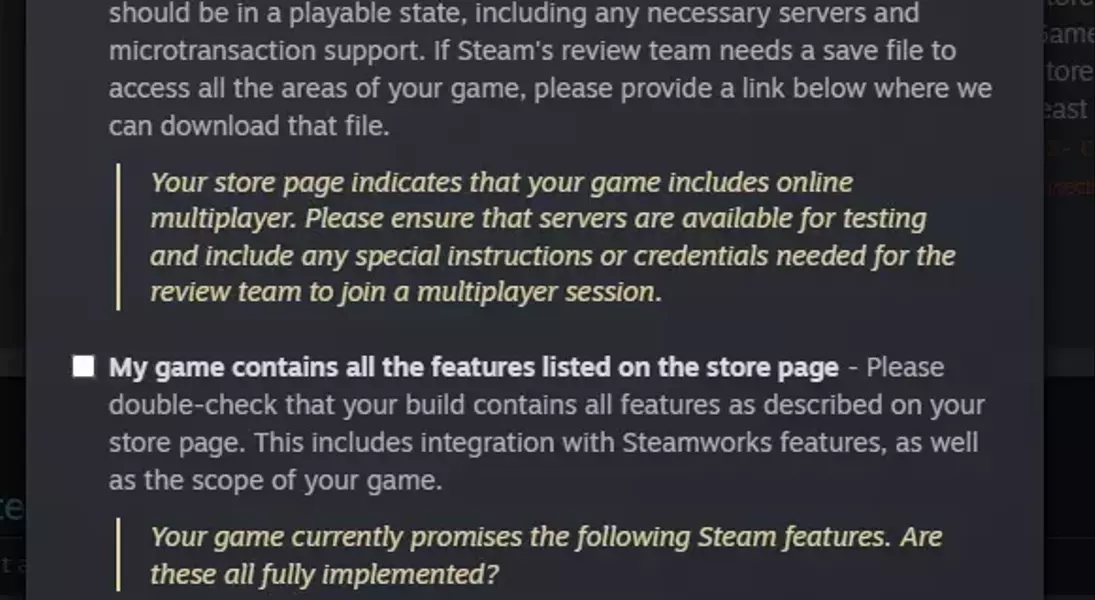
Responding to the growing concerns, Valve has issued a Steamworks update acknowledging the delays. The company confirmed that review times have stretched to as much as 12 business days, largely due to the necessity of re-evaluating game submissions. In an effort to streamline the process, Valve has introduced a series of checklists, shifting the responsibility onto developers to ensure their applications meet specific standards on the initial submission. A key new requirement mandates that games must be run through Steam for a minimum of five minutes to confirm proper functionality—a seemingly basic step that, surprisingly, has often been overlooked.
The Role of Quality Control in the Submission Process
Valve's updated guidelines subtly suggest a growing concern over the quality of submitted games. The company's statement, "Believe it or not, sometimes we review builds that have not ever been played through Steam," indicates that some developers are bypassing fundamental testing protocols. The new checklist also emphasizes the importance of confirming necessary redistributables, verifying cloud saves and achievements, and providing at least five gameplay screenshots for store pages, reinforcing the need for thorough preparation before submission.
The Unspoken Challenge: AI and Content Moderation
While Valve has not directly linked the backlog to AI, the increasing prevalence of AI-generated content on platforms like Steam raises pertinent questions. The rapid creation capabilities of new language models have led to a proliferation of low-quality, "AI slop" games. Despite acknowledging a "slop problem," Valve has expressed reluctance to act as a "gatekeeper" by dictating development tools. This stance contrasts with platforms like Itch.io, which recently purged "terabytes of AI slop" to maintain content quality. The current approval delays, therefore, might be an indirect consequence of this influx, prompting Valve to tighten its review processes to manage the volume and quality of submissions.
Looking Ahead: Future Adjustments to Steam's Review System
Valve has indicated that further modifications to the build review process are forthcoming, emphasizing that the recently introduced guidelines are merely a starting point. This ongoing evolution reflects the challenges of managing a vast digital storefront amidst rapid technological advancements and a diverse developer base. The balance between open access for creators and maintaining a high-quality experience for players remains a critical task for the platform.
