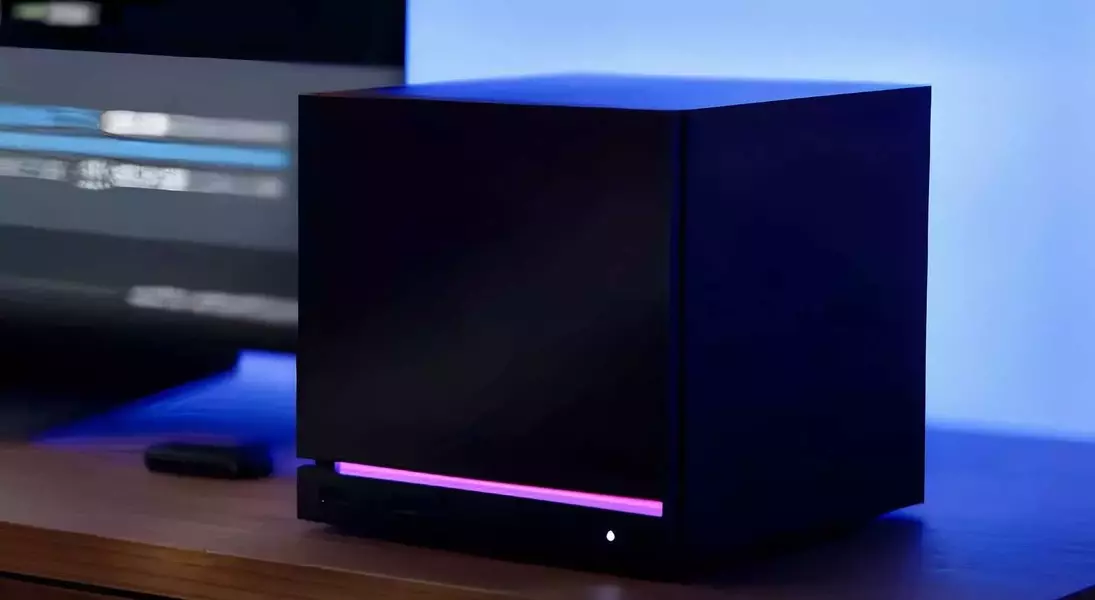
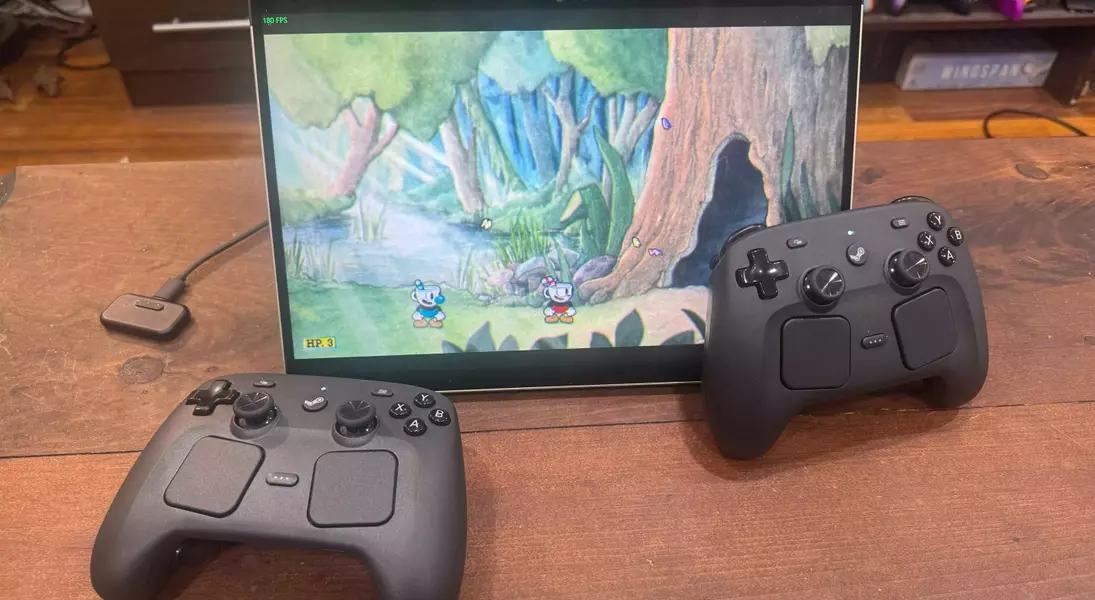
Valve has announced the independent launch of its Steam Controller on May 4, a strategic move preceding the release of its companion devices, the Steam Machine and Steam Frame. This decision comes after an earlier delay in the product lineup, driven primarily by ongoing global memory component shortages. Steve Cardinali, a hardware engineer at Valve, explained that the controller's design, which does not incorporate RAM, allows it to bypass the escalating costs and scarcity of memory that have impacted the other hardware.
The company initially postponed the release of the Steam Machine, Frame, and Controller in early 2026, citing increasing prices of crucial components. Cardinali clarified that the RAM crisis, a ripple effect of the AI industry's surging demand for memory, has significantly driven up component costs. This makes it challenging for companies like Valve to offer products like the Steam Machine and Steam Frame at competitive prices. Despite these hurdles, Valve emphasizes that the staggered release was always a possibility, as the products were never strictly bound to a simultaneous launch, with the primary goal being to ensure the controller's availability before the machine.
For consumers eager to integrate Valve's new hardware into their gaming setup, the Steam Controller will be available for purchase on May 4. While the Steam Machine and Steam Frame are tentatively slated for release in the first half of 2026, the controller offers immediate compatibility with PCs via the Steam client, mobile devices through Steam Link, and the Steam Deck, bridging the gap until the full ecosystem is available. This approach enables gamers to experience part of Valve's next-generation hardware ecosystem sooner, even as the company navigates the complexities of global supply chains.
The independent launch of the Steam Controller underscores Valve's commitment to innovation and adaptability in the face of market challenges. By strategically releasing components as they become viable, the company not only mitigates the impact of supply chain disruptions but also demonstrates a pragmatic approach to product deployment. This ensures that advancements in gaming technology remain accessible, fostering continued growth and excitement within the global gaming community.
