Valve's ambitious hardware strategy, initially envisioned as a simultaneous launch of the Steam Controller, Steam Machine, and Steam Frame VR headset, has taken an unexpected turn. While the Steam Controller is now poised for release, its companions remain conspicuously absent from the market. This article delves into the rationale behind Valve's segmented rollout, highlighting the prevailing global scarcity of crucial computer components as the primary obstacle preventing the unified debut of its hardware ecosystem. Despite earlier commitments to a comprehensive launch, the current scenario suggests a significant recalibration of Valve's plans, underscoring the complexities and challenges inherent in bringing innovative technology to fruition in a volatile supply chain environment.
In November of the previous year, Valve made headlines with the announcement of three groundbreaking hardware products: the Steam Controller, the Steam Machine console, and the Steam Frame virtual reality headset. This integrated reveal sparked considerable excitement within the gaming community, promising a new era of immersive and customizable gaming experiences. However, the journey from announcement to market has proven to be less straightforward than initially anticipated.
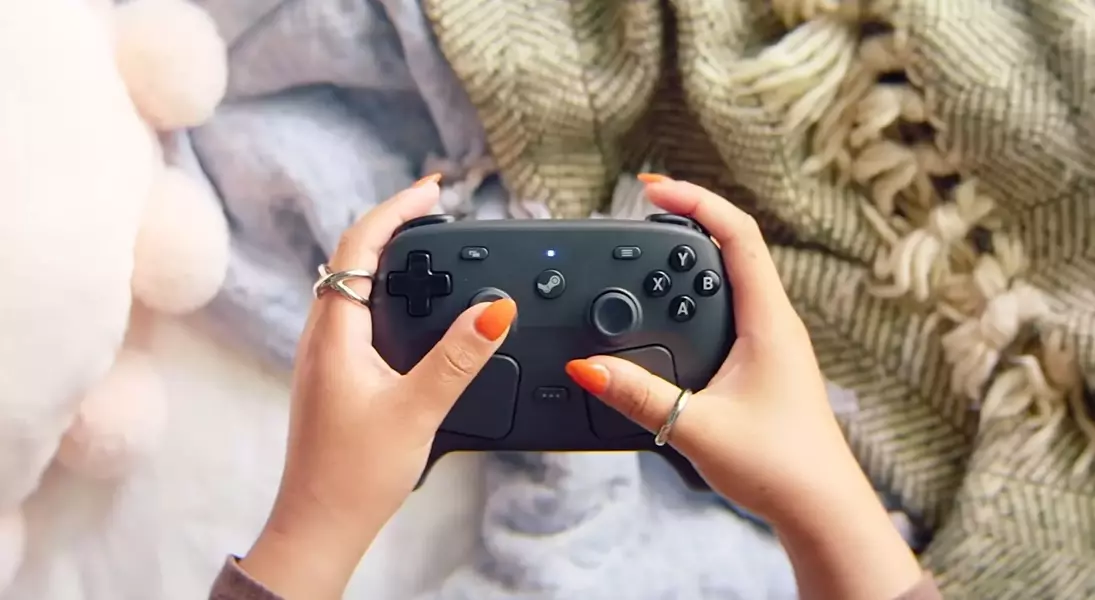
Fast forward to the present, and the landscape has shifted considerably. On May 4th, eager consumers will have the opportunity to pre-order the Steam Controller, a device that has garnered positive reviews from early testers. Gaming critics, including Giovanni Colantonio, have lauded its potential, describing it as a near-perfect PC gamepad. Valve engineers have also been forthcoming, offering insights into the controller's development philosophy and design principles, further building anticipation for its standalone release.
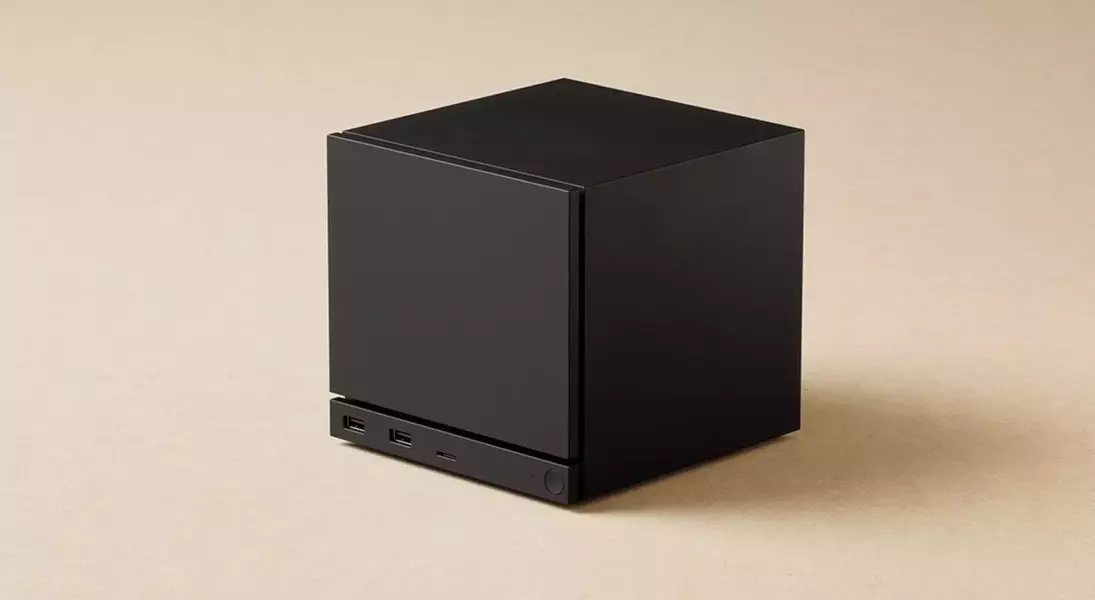
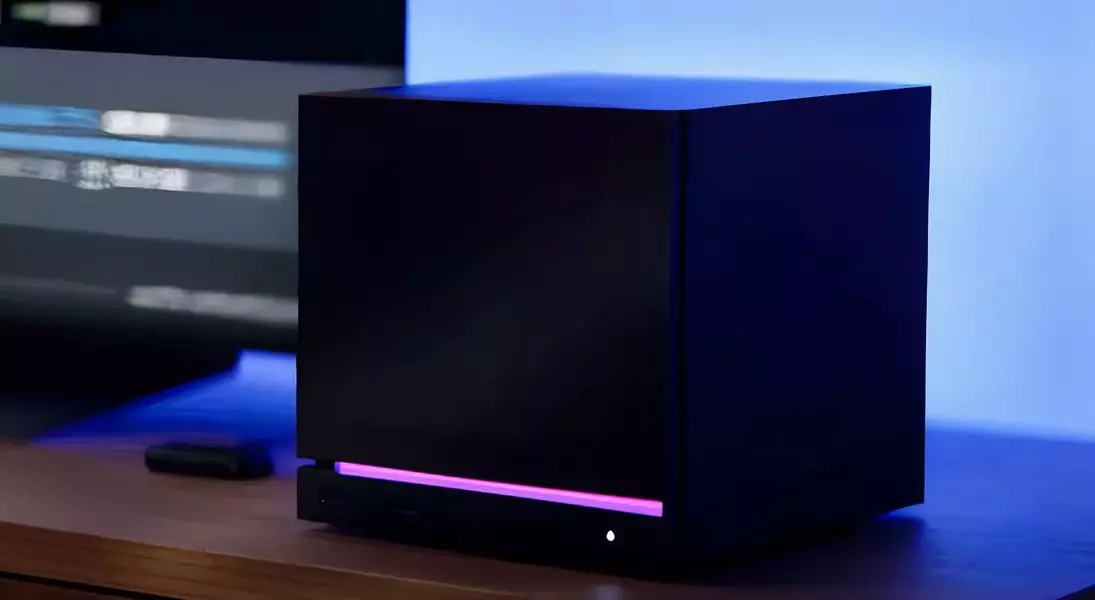
Conversely, the Steam Machine and Steam Frame have yet to materialize. In February, Valve confirmed a delay for these products, attributing the setback to a global shortage of computer memory and storage components. This critical supply chain disruption necessitated a reevaluation of production schedules and pricing strategies. At the time, Valve maintained its commitment to launching all three products within the first half of the year, a goal that now appears increasingly unattainable.
When questioned about the Steam Controller's release in isolation, without its intended counterparts, Valve downplayed the significance of the separation. The company clarified that while the Steam Controller is designed to complement the Steam Machine, it functions as an independent product, compatible with the Steam Deck handheld device and any PC running the Steam platform. Although Valve had previously expressed reluctance to launch the Steam Machine without the controller, the inverse was not true.
Steve Cardinali, a hardware engineer at Valve, explained the decision to proceed with the Steam Controller's launch by highlighting its unique characteristic: the absence of RAM. This crucial distinction makes the controller less susceptible to the supply chain issues plaguing memory and storage components, enabling Valve to effectively price, manufacture, and distribute it. The company's strategy suggests a belief in significant demand for the controller, prompting them to prioritize its release to meet existing consumer interest and potentially mitigate broader supply challenges if all products were launched simultaneously.
The continued lack of information regarding the pricing and release dates for the Steam Machine and Steam Frame is directly linked to the persistent RAM crisis. While the drastic cost increases for memory and storage chips observed between November 2025 and February 2026 have somewhat stabilized, they have not yet begun to decline. Some analysts even suggest that storage costs may not have reached their peak, further complicating any efforts to establish definitive timelines or pricing structures for hardware-intensive products. This volatile market environment presents a significant challenge for any company attempting to introduce new computer hardware, forcing Valve to exercise caution regarding potential supply disruptions and the reputational risks associated with launching products at excessively high prices, even if those prices could be adjusted later.
Valve's decision to proceed with the full launch of the Steam Controller, while commendable in its own right, paints a rather bleak picture for the immediate future of the Steam Machine and Steam Frame. It seems highly improbable that these devices will see a release within the first half of the year, a period that would necessitate their launch within a mere eight weeks following the Steam Controller's debut. Such a compressed timeline appears illogical and impractical. Furthermore, this strategic move by Valve suggests either a substantial delay for the other two products or, more plausibly, an ongoing uncertainty regarding when it will be commercially viable or strategically sound to introduce them to the market. Had Valve possessed even a tentative new timeline, the present moment would have been an ideal opportunity to share it, yet no such announcement has been made. The Steam Machine's release, in particular, seems more distant than ever, with its 2026 debut now appearing questionable. However, as Valve itself has noted, the inherent unpredictability of the RAM crisis means that the situation could change rapidly. A sudden downturn in component prices could potentially accelerate the Steam Machine's launch, though it would be prudent not to hold one's breath for such a swift turnaround.
