Valve has announced that it does not currently plan to release additional interchangeable faceplates for its Steam Machine. Instead, the company encourages users and third-party creators to design and produce their own custom modifications, emphasizing a do-it-yourself approach to personalization.
This strategy is highlighted by Valve's commitment to providing necessary technical specifications, such as CAD files and dimensions, to facilitate independent customization efforts. This enables enthusiasts to explore unique aesthetic options for their devices, fostering a creative community around the Steam Machine.
Valve's Approach to Steam Machine Customization
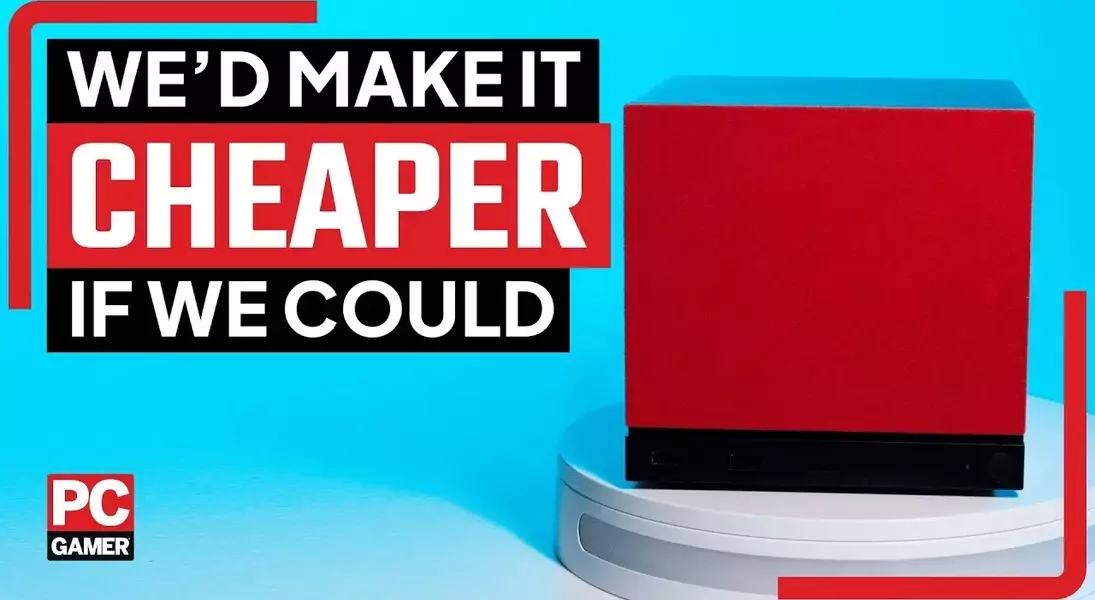
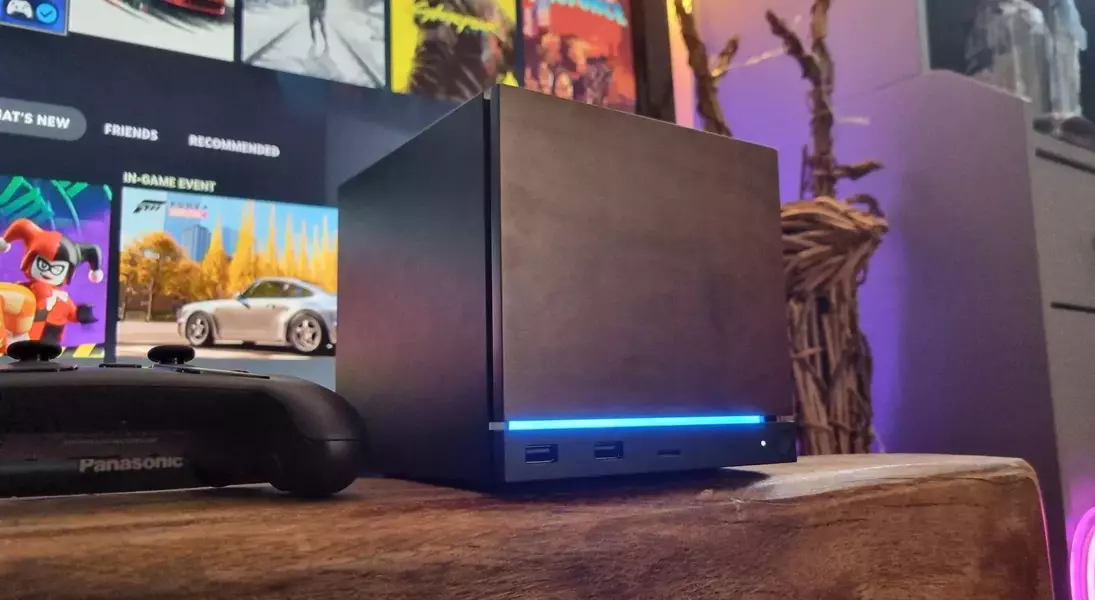
Valve has clarified its current strategy regarding the customization of its Steam Machine, stating that there are no immediate plans for the company itself to introduce more interchangeable faceplates beyond the two initially offered with the 2TB SKU, which include red fabric and solid walnut designs. This decision stems from a desire to empower the community and external creators. The company intends to release all necessary technical documentation, including CAD files and precise dimensions for the exterior, magnet attachment points, and overall sizing. This move is designed to support both third-party manufacturers and individual users who wish to tinker with and personalize their devices at home. By making these resources available, Valve is fostering an environment where customization is driven by the community rather than solely by the company's internal production. This open-source approach to design encourages innovation and allows for a broader range of aesthetic and functional modifications.
The company's philosophy aligns with its previous actions, such as the release of CAD files for the Steam Controller to promote easier customization. This precedent sets a clear expectation for how Valve approaches hardware modification. While the official files for the Steam Machine faceplates are still awaited, the company's commitment ensures that users will eventually have the tools needed to craft unique designs. An example of this community-driven customization, though one that faced challenges, was Dbrand's attempt to create Companion Cube-inspired housings. This commercial venture was eventually halted because Dbrand had not secured Valve's permission, underscoring the distinction between personal customization and unauthorized commercial production. Valve's stance suggests that while personal projects for enjoyment are encouraged, commercial endeavors require explicit approval to prevent intellectual property conflicts. This framework ensures that the spirit of customization thrives within appropriate boundaries.
Community-Driven Personalization and its Limitations
Valve's decision to forgo further official Steam Machine faceplates and instead provide technical specifications for community use underscores a commitment to user-led personalization. This move aims to foster an ecosystem where creative individuals can design and fabricate their own unique aesthetic enhancements for the device. By openly sharing CAD files and precise dimensions, Valve seeks to democratize the customization process, enabling both hobbyists and small-scale manufacturers to contribute to the visual diversity of Steam Machines. This approach not only extends the potential for personalization beyond official offerings but also builds on a tradition of empowering the gaming community to interact more deeply with their hardware. The availability of these resources encourages experimentation with various materials, colors, and designs, allowing users to express their individuality and tailor their gaming setups to their specific tastes without relying on a limited selection of factory-produced options.
However, this open approach to customization comes with certain important caveats, particularly concerning commercial activities. While Valve actively supports non-profit, personal modification and encourages users to create faceplates for their own enjoyment, the company maintains a firm stance against unauthorized commercial exploitation of its intellectual property. This was clearly demonstrated in the case of Dbrand, a peripheral and accessory maker, whose attempt to sell custom Companion Cube housings for the Steam Machine was ultimately unsuccessful. Dbrand's venture was halted because they had proceeded without obtaining Valve's explicit permission, highlighting the necessity of proper licensing for any commercial production based on Valve's designs or franchises. This incident serves as a crucial reminder that while personal creative endeavors are welcomed and facilitated, any commercial intent requires official sanction to avoid legal complications. Therefore, while users are free to transform their Steam Machines into personalized works of art for private use, the line between hobbyist customization and commercial ventures remains clearly defined and protected by Valve's policies.
