
For many car enthusiasts, the choice between a V6 and an inline-6 engine often comes down to personal preference or brand loyalty, rather than a deep understanding of their mechanical nuances. This article aims to clarify the fundamental differences, advantages, and disadvantages of these two prevalent six-cylinder engine configurations, providing insights into why certain designs are favored for particular vehicle types and how their roles are evolving in the automotive landscape.
The Engineering Showdown: V6 vs. Inline-6
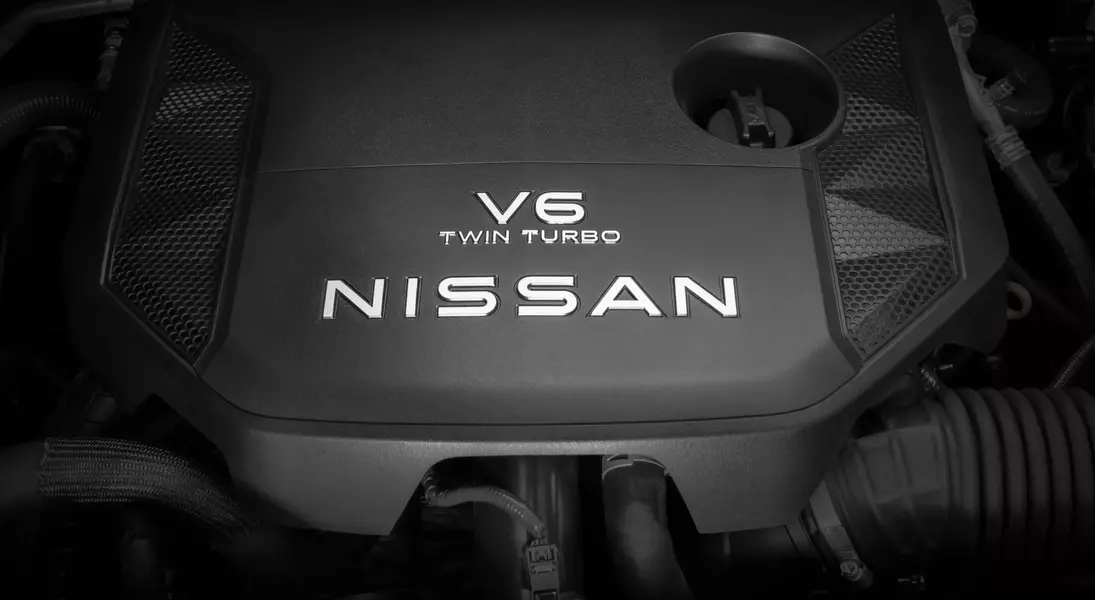
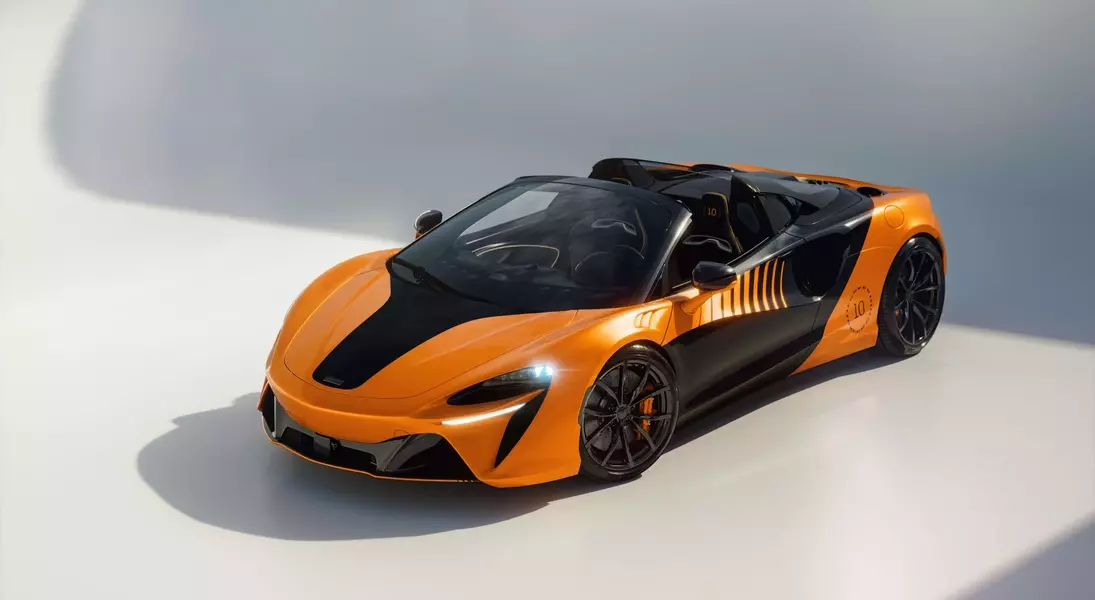
Since its introduction by the European automaker Lancia in 1950 with its Aurelia sedan, the V6 engine has rapidly ascended in popularity, becoming a dominant force in the automotive world by the 1990s. Comprising two banks of three cylinders typically angled at 60 degrees, the V6 is renowned for its compact architecture. This design makes it an excellent fit for transverse mounting in engine bays, a configuration highly advantageous for front-wheel-drive vehicles that became increasingly common from the 1970s onwards. However, its inherent imbalance, stemming from the odd cylinder count per bank and firing intervals, necessitates the integration of balancer shafts to ensure smooth operation. Interestingly, some V6 engines, particularly those with a 90-degree angle, are derived from V8 designs to economize on development costs. Such variations often require additional balancing measures and specialized split-pin crankshafts to mitigate vibrations, a strategy effectively employed in high-performance vehicles like the Alfa Romeo Giulia Quadrifoglio. Rarer still, the 120-degree V6, seen in exotic supercars such as the McLaren Artura and Ferrari 296, offers a lower center of gravity and optimized turbocharger placement (hot vee design) for superior cooling, albeit at the cost of increased width and manufacturing complexity, making it less suitable for widespread mass production.
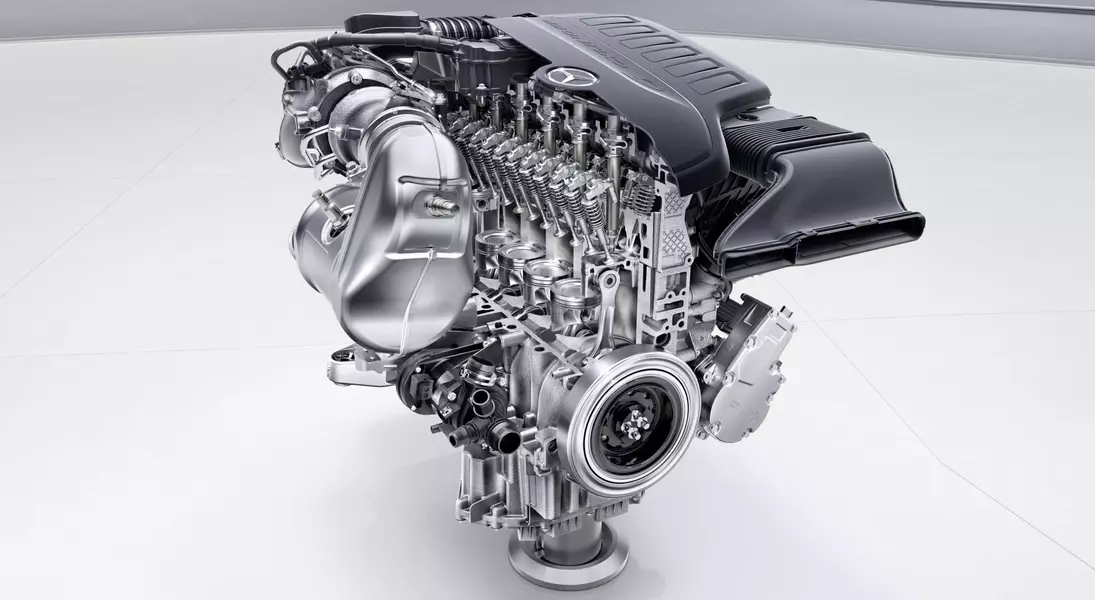
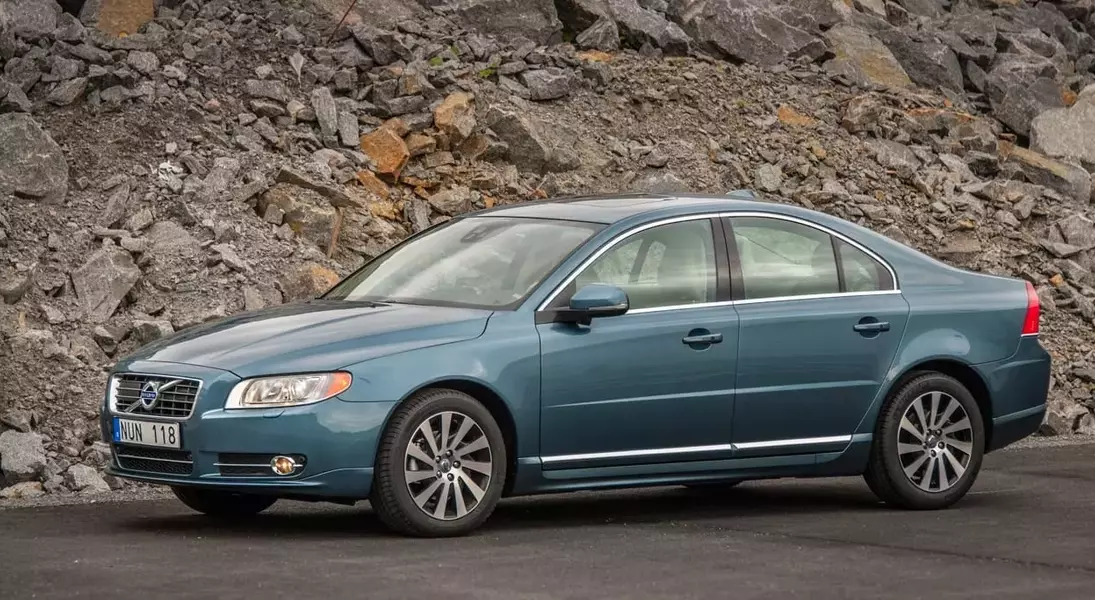
Conversely, the inline-six engine boasts a longer, more storied history, first appearing in a Spyker vehicle in 1903. While BMW is now closely associated with this layout, having introduced its first automotive inline-six in 1933, many major manufacturers adopted it much earlier. The inline-six, with its six cylinders aligned in a single row along a common crankshaft and sharing a single cylinder head, offers mechanical simplicity and, crucially, perfect balance. Both primary and secondary forces are naturally canceled out, eliminating the need for balancer shafts and allowing for a longer stroke that enhances low-rev torque. This inherent smoothness and efficiency make it technically superior in many aspects. However, its elongated form typically restricts it to longitudinal placement, best suited for rear-wheel-drive vehicles. Despite a few notable exceptions, such as some Volvo models featuring transverse inline-six engines, this packaging constraint has historically limited its application in compact front-wheel-drive cars. Nonetheless, for larger rear-wheel-drive vehicles and sports cars, the inline-six remains an exceptional choice, blending performance with refinement.
The ongoing discourse regarding the optimal engine configuration highlights a fascinating evolution within automotive engineering. While V6 engines have long been praised for their adaptability to diverse vehicle layouts, particularly in front-wheel-drive applications, the inline-six is experiencing a resurgence. Automakers like Mazda and Stellantis are increasingly adopting this layout, following in the footsteps of BMW's longstanding commitment and Mercedes' recent pivot back from V6s. This shift underscores a broader industry trend where, despite the rise of compact turbocharged inline-fours as replacements for older V6s, the inline-six is now stepping in to fill the void left by outgoing V8 engines. With its impressive power delivery, reduced mechanical complexity, and enhanced fuel economy, the inline-six emerges as a compelling and sensible choice for manufacturers navigating the intricate transition toward an electric-powered future, providing a sophisticated balance of performance and efficiency.
