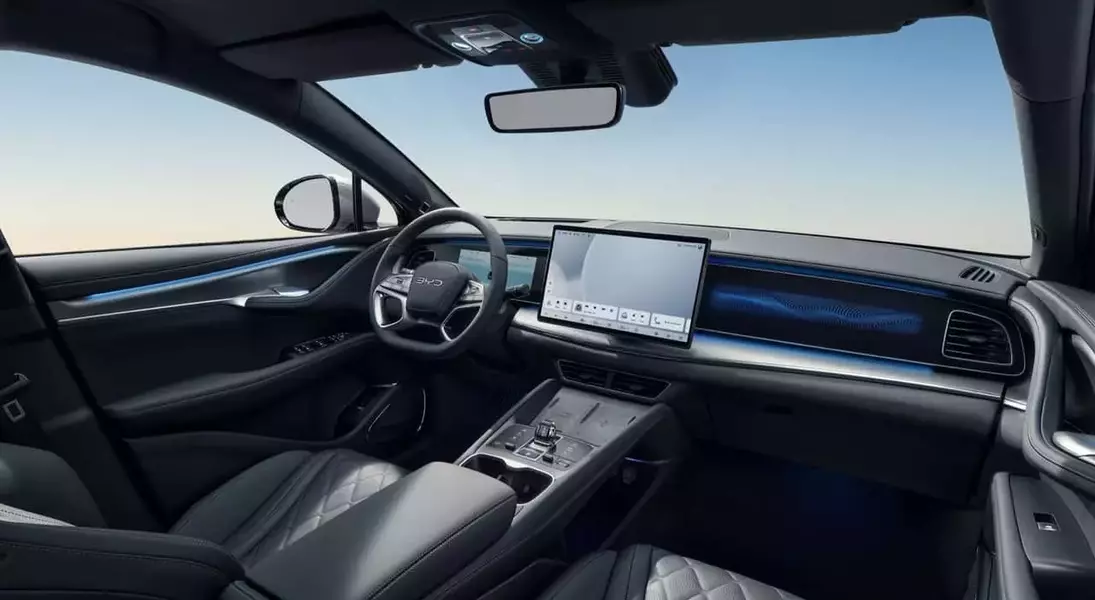
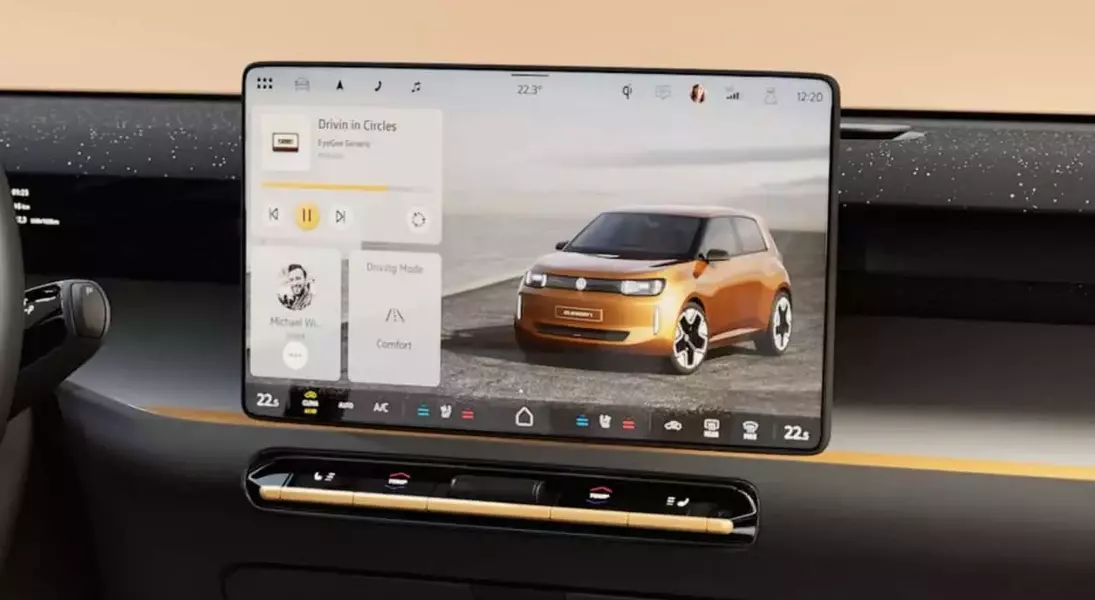
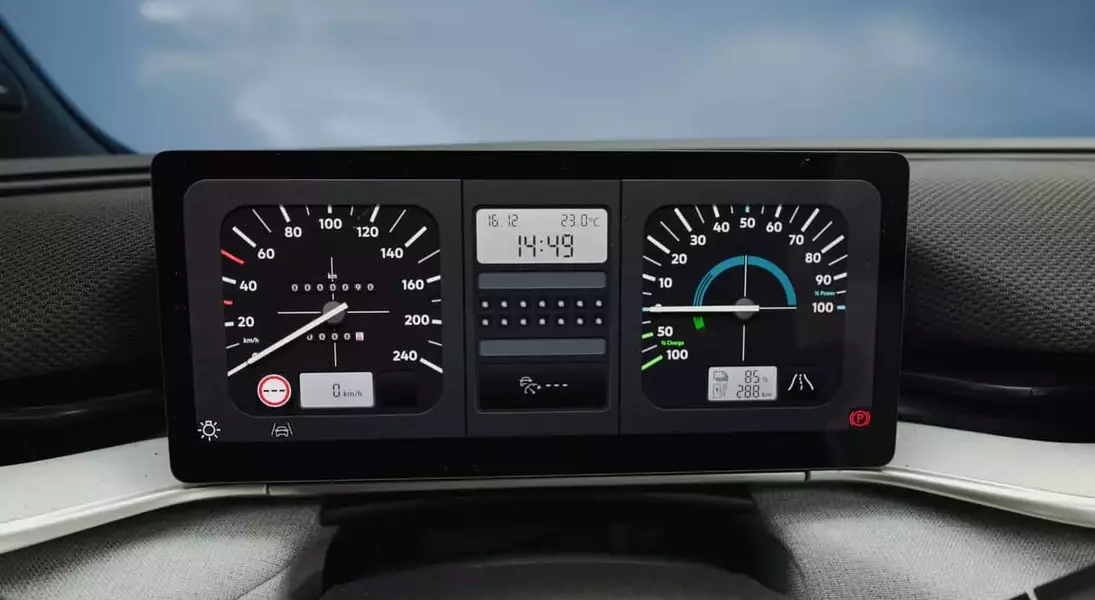
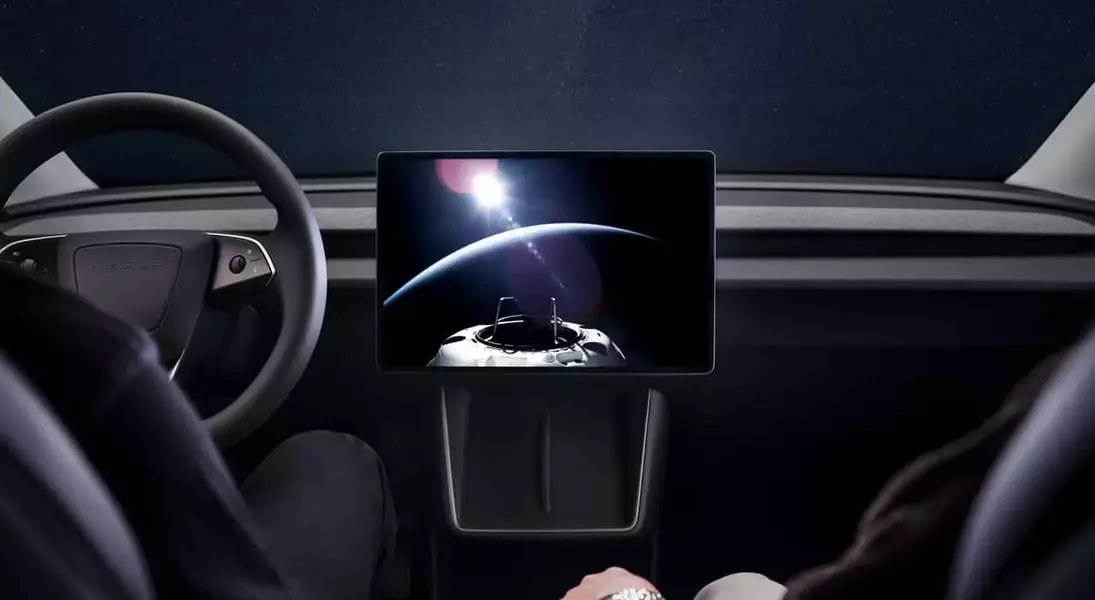
Automotive design is undergoing a significant transformation, with major markets like Europe and China leading a concerted effort to reintroduce physical controls in vehicle interiors. This shift stems from growing concerns over driver distraction caused by an over-reliance on large touchscreens. While digital interfaces initially offered sleek aesthetics and cost savings for manufacturers, their impact on road safety has prompted regulatory bodies to advocate for the return of tactile buttons for critical functions. This movement marks a crucial re-evaluation of in-car technology, emphasizing the importance of intuitive and safe control systems.
Both European and Chinese authorities are championing this change, implementing new guidelines that prioritize driver safety. These regulations are prompting car manufacturers to rethink their interior designs, moving away from purely screen-based controls towards a more balanced approach that combines modern technology with traditional, user-friendly physical interfaces. This convergence in regulatory standards highlights a global recognition that advancements in automotive technology must not come at the expense of driver focus and road safety.
Regulatory Push for Tactile Controls in Europe
In Europe, the independent safety organization Euro NCAP has updated its safety rating protocols to actively discourage vehicle cabins that rely solely on touchscreens for essential functions. As of January 2026, cars aiming for the top five-star safety rating must incorporate physical controls for key operations such as turn signals, windshield wipers, hazard lights, the horn, and emergency calling. Vehicles that execute these functions exclusively through a touchscreen interface will face point deductions. Although Euro NCAP's guidelines are not legally mandated, their substantial commercial influence means that manufacturers are compelled to adhere to these standards to secure a highly sought-after five-star rating, which is a critical marketing asset in the competitive automotive market.
This renewed emphasis on physical controls reflects a broader recognition within the automotive industry and among safety advocates that tangible buttons provide a more direct and less distracting way for drivers to interact with their vehicles. The reasoning is rooted in ergonomics and human factors: drivers can often locate and operate physical buttons by feel, without needing to divert their gaze from the road, a task that is significantly more challenging and time-consuming with touch-sensitive screens. This regulatory shift aims to mitigate potential distractions and enhance overall road safety by ensuring that critical vehicle controls are always readily accessible and intuitive to use.
Global Shift Towards Enhanced Driver Safety
The movement to prioritize physical controls for safety functions extends beyond Europe, with China, a prominent and technologically advanced automotive market, mirroring this regulatory push. The Chinese Ministry of Industry and Information Technology (MIIT) has introduced draft regulations that mandate physical buttons for crucial safety functions, including turn signals, hazard lights, gear selection, and emergency calling. These tactile controls are required to have a minimum surface area of 10x10 millimeters, ensuring they are easily operable. This initiative from China is particularly noteworthy given the country's rapid adoption of screen-dominated car interiors, often influenced by the Tesla model. The proposed regulations underscore a critical shift in priorities, placing usability and safety at the forefront of automotive design.
Automakers worldwide are already responding to these evolving standards. Volkswagen has acknowledged past errors in over-relying on touchscreens and is reintroducing physical buttons in its new electric vehicles. Mercedes-Benz maintains that traditional buttons are superior for certain operations, while Hyundai is adopting a hybrid approach, blending tactile controls with digital interfaces for frequently used functions. Even Tesla, a pioneer of all-touch interiors, is reportedly considering bringing back traditional turn-signal stalks in some models. This global convergence of regulatory bodies and manufacturer responses signifies a collective realization that while digital integration is important, it must not compromise the fundamental principles of driver ergonomics and safety. The industry is rediscovering that for certain essential operations, the physical button remains the most intuitive, immediate, and ultimately, safest solution.
