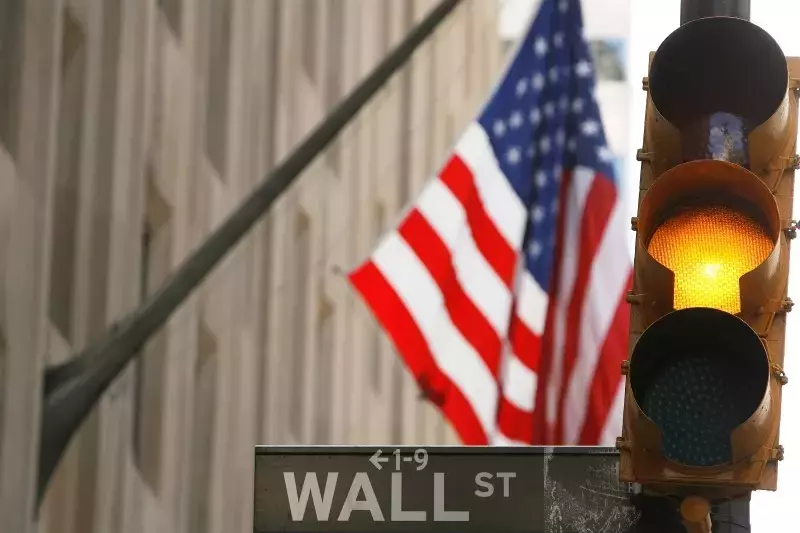
Recent economic data has shown that inflation remained sticky in November, which has had a significant impact on Wall Street futures. The S&P 500 Futures steadied at 6,128.0 points, the Nasdaq 100 Futures were flat at 22,074.25 points by 18:33 ET (23:33 GMT), and the Dow Jones Futures were flat at 44,367.0 points. The Fed is widely expected to cut interest rates by 25 basis points at the end of a two-day meeting on Wednesday, bringing rates down by a total of 100 bps in 2024. However, the focus this week will be on the central bank's plans for future easing, especially in the face of potentially sticky inflation and resilience in the labor market. Analysts expect the central bank to signal a slower pace of rate cuts in the coming year, and recent comments from Fed officials support this view. Rates are also expected to remain high in the long term, especially with the prospect of inflationary policies under incoming President Donald Trump. Traders are pricing in a 79.7% chance that the Fed will leave rates unchanged when it meets in January, according to CME Fedwatch.While Wall Street indexes have had a series of middling finishes in recent sessions, they are still close to record highs hit earlier in December. Technology stocks have been the biggest drivers of these peaks, driven by sustained optimism over artificial intelligence. Positive earnings from chipmakers such as Broadcom Inc (NASDAQ:AVGO) and anticipation of new chips from NVIDIA Corporation (NASDAQ:NVDA) have also contributed to this optimism.The S&P 500 closed flat at 6,051.09 points on Friday, while the NASDAQ Composite rose 0.1% to 19,926.72 points. The Dow Jones Industrial Average fell 0.2% to 43,828.06 points. Wall Street has been on a tear since Trump's victory in the 2024 elections in November, but gains have slowed in recent sessions due to growing caution over potentially high interest rates in the coming years.In conclusion, the sticky inflation trend and the Fed's plans for interest rate cuts are having a significant impact on Wall Street futures. The market is closely watching the central bank's actions and statements to determine the future direction of interest rates and the stock market.
Navigating the Uncertainty: Sticky Inflation and Wall Street's Future
The Role of Sticky Inflation in Shaping Wall Street Trends
1: Sticky inflation, as evidenced by the recent economic data, has emerged as a key factor influencing Wall Street futures. It has created a sense of uncertainty among investors, as the Fed's plans to lower interest rates may be limited. This has led to a more cautious approach in the market, with futures remaining relatively flat. The S&P 500 Futures, Nasdaq 100 Futures, and Dow Jones Futures all reflect this cautious sentiment, with little movement in their respective levels. 2: The impact of sticky inflation extends beyond just the futures markets. It has also affected the overall performance of Wall Street indexes. In recent sessions, the S&P 500 and the NASDAQ Composite have marked a series of middling finishes, while the Dow Jones Industrial Average has seen a slight decline. This shows that even though the market is still close to record highs, the presence of sticky inflation is causing some volatility and uncertainty.The Fed's Dilemma in the Face of Sticky Inflation
1: The Fed is faced with a dilemma in the face of sticky inflation. On one hand, it is expected to cut interest rates by 25 basis points at the end of the two-day meeting on Wednesday to stimulate economic growth. On the other hand, the sticky inflation trend suggests that rates may need to remain higher for longer to control inflation. This has led to speculation about the pace of future rate cuts and the overall direction of monetary policy. 2: Recent comments from Fed officials have added to the uncertainty. Some officials have suggested a slower pace of rate cuts in the coming year, while others have remained more cautious. This divergence in views has made it difficult for investors to predict the Fed's next move, adding to the volatility in the market.The Impact of Technology Stocks on Wall Street's Peaks
1: Technology stocks have been the driving force behind Wall Street's recent peaks. The sustained optimism over artificial intelligence has led to a surge in the prices of technology companies. Chipmakers such as Broadcom Inc and NVIDIA Corporation have been particularly strong, with positive earnings and anticipation of new chips driving their stock prices higher. 2: The performance of technology stocks has not only boosted the overall market but has also contributed to the resilience of Wall Street in the face of sticky inflation. These stocks have been able to weather the uncertainty and continue to perform well, providing a source of strength for the market.The Influence of Trump's Policies on Interest Rates
1: The prospect of inflationary policies under incoming President Donald Trump has added another layer of uncertainty to the interest rate outlook. Trump's economic policies are expected to have a significant impact on inflation and interest rates, and investors are closely watching for any indications of his stance. 2: If Trump's policies lead to higher inflation, it could put pressure on the Fed to keep rates higher for longer. This would have implications for Wall Street futures and the overall market, as higher interest rates can dampen economic growth and stock prices. On the other hand, if Trump's policies are successful in stimulating economic growth and controlling inflation, it could lead to a more favorable interest rate environment and boost the market.