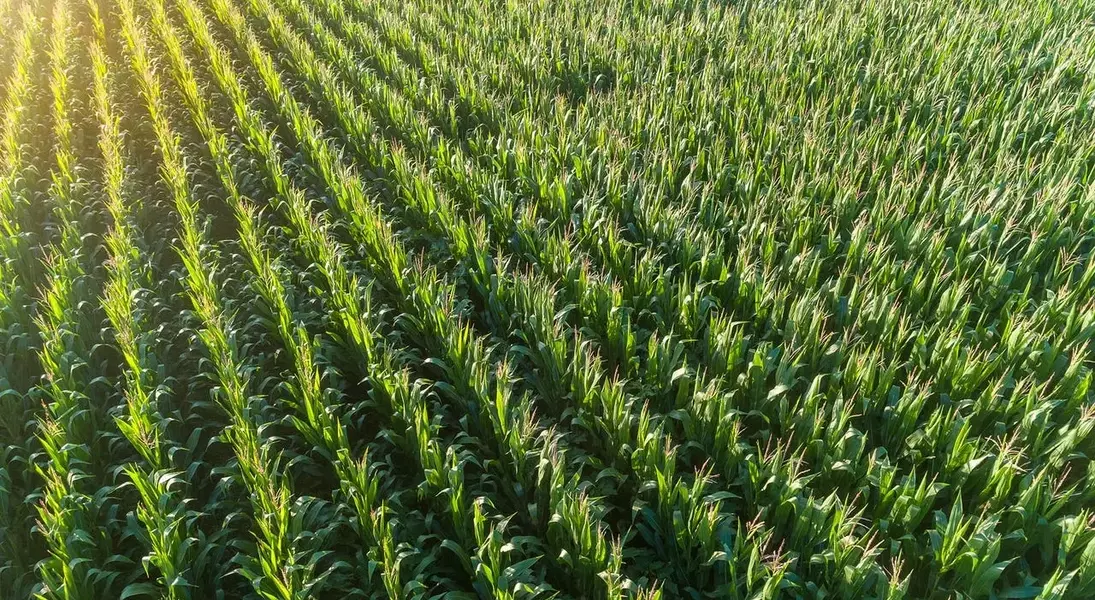
The most recent USDA crop progress report offers a crucial snapshot of the current state of major agricultural commodities across the United States. This overview details the health and development of corn, soybean, and wheat crops, providing insights into their progress and anticipated yields as the harvest season advances.
Navigating the Fields: A Mid-Season Harvest Assessment
Corn Condition and Development
According to the U.S. Department of Agriculture's latest weekly update, corn quality experienced a marginal downturn. Despite this slight regression, the overall condition of the corn crop maintains a favorable standing when compared to the same period in the previous year. Specifically, a significant portion of the crop, about 72%, is categorized as being in good to excellent health, while a smaller percentage is considered fair or poor.
Soybean Outlook and Growth Stages
Similar to corn, the quality assessment for soybeans also saw a minor decrease this past week. The majority of the soybean fields, approximately 68%, are still rated within the good to excellent range. The report highlights key physiological milestones for soybeans, noting that a substantial percentage of the crop is now blooming, and a considerable portion has begun setting pods, with both stages closely tracking historical averages.
Winter Wheat Harvest Nears Completion
The harvesting of the 2024-25 winter wheat crop is significantly advanced across the nation. The USDA data reveals that nearly all winter wheat acres have been harvested, a pace slightly behind the previous year but in line with the five-year average. This progress signifies the nearing conclusion of a critical phase for wheat producers, with only a few states still having considerable acreage to complete.
Spring Wheat Progress and Quality Updates
The spring wheat harvest is steadily picking up pace, although it trails slightly behind the five-year average for this time of year. Encouragingly, the quality ratings for spring wheat have shown an improvement, with a larger percentage of the crop now classified as good to excellent. This positive shift is a welcome development for growers, offsetting some of the earlier challenges faced during the growing season.
Comprehensive Agricultural Data Insights
For those seeking more granular detail, the USDA's comprehensive report provides extensive data beyond crop conditions. This includes crucial information on topsoil and subsoil moisture levels across various states, the number of days suitable for fieldwork, and other vital statistics that paint a complete picture of agricultural conditions. Access to this detailed information allows stakeholders to make informed decisions and better understand regional variations in crop progress.
