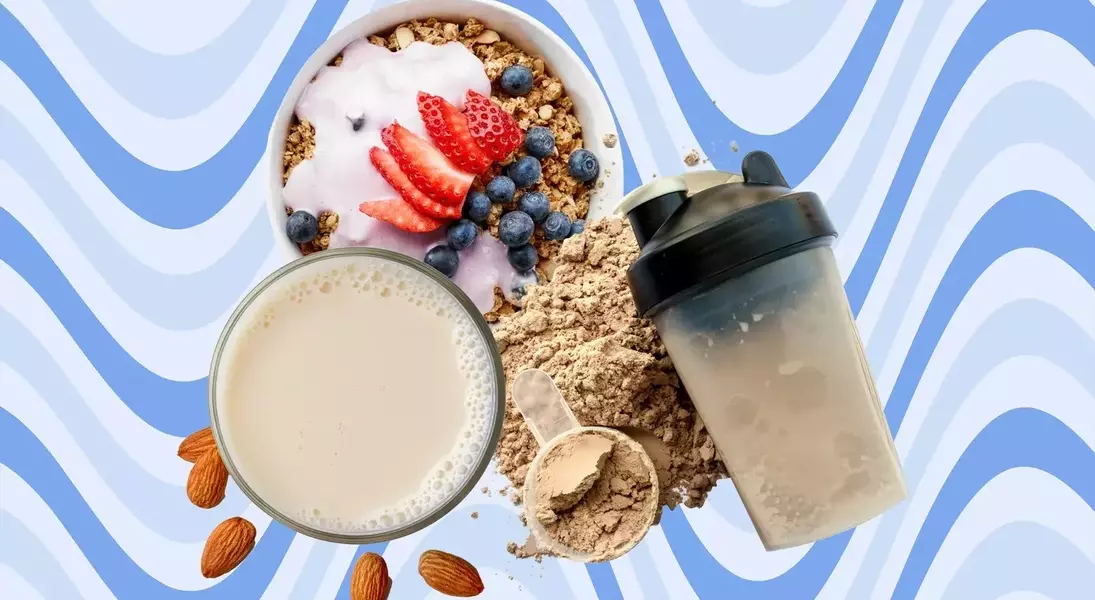
The categorization of ultra-processed foods (UPFs) and their impact on health has become a prominent topic in nutritional discourse. Despite heightened interest, a lack of clear definitions and ongoing controversies continue to shroud these foods in uncertainty regarding their place in a balanced diet. This article delves into how dietitians navigate the complexities of UPFs, highlighting five specific examples that, despite being classified as ultra-processed, can still contribute positively to a healthy lifestyle.
Navigating the Nutritional Labyrinth: Understanding Ultra-Processed Foods
Defining Ultra-Processed Foods: A Complex Classification
The concept of ultra-processed foods often sparks debate, primarily due to the varied interpretations of what constitutes a UPF. The NOVA Food Classification System, a widely used framework, divides foods into four distinct categories. This system places many everyday items, such as protein powder, plant-based milks, and certain tofu and canned bean varieties, into the 'ultra-processed' category, often to the surprise of consumers.
Beyond Processing Levels: Evaluating Nutritional Value
Registered dietitians argue that the degree of processing alone does not fully capture a food's nutritional profile. While processing may involve adding flavors, emulsifiers, and sweeteners, many UPFs still provide significant amounts of protein, fiber, healthy fats, and essential vitamins and minerals. These nutrients are often lacking in typical diets, making some UPFs valuable for addressing nutritional gaps. Additionally, processing extends shelf life, enhancing food accessibility and convenience for many individuals.
The Impact of Processing on the Body: Digestion and Satiety
The structural changes that occur during ultra-processing can influence how foods interact with the body. These alterations might affect feelings of fullness, digestion rates, blood sugar responses, and even the likelihood of overeating. However, this does not automatically render these foods harmful; rather, it suggests they behave differently than their less-processed counterparts. Research indicates that diets high in UPFs may lead to increased calorie intake and are linked to higher risks of obesity and chronic diseases, yet many studies are small or observational, limiting broad generalizations.
Protein Powder: A Refined Nutrient Source
Protein powder, derived from sources like milk or peas, undergoes significant refinement, classifying it as an ultra-processed food. Despite this, it remains a popular supplement in the fitness and nutrition communities. Its role in a balanced diet is significant, particularly for athletes, those recovering from illness, or older adults needing easily digestible protein. Consumers are advised to select products with minimal additives and third-party testing to ensure quality and safety.
Plant-Based Milks: A Nutrient-Dense Alternative
Plant-based milks, including soy milk, are considered ultra-processed due to the inclusion of additives and sometimes added sugars. However, these beverages are crucial for individuals with dietary restrictions or allergies, providing essential nutrients such as calcium, vitamin D, potassium, and fiber. Opting for unsweetened varieties and avoiding artificial flavors can enhance their nutritional benefits.
Flavored Tofu: A Convenient Protein Option
Plain tofu is categorized as processed, but flavored, smoked, or fried versions are deemed ultra-processed due to added ingredients and altered textures. This classification can be controversial, as flavored tofu offers a convenient and nutritious plant-based protein source. For those aiming to reduce UPF intake, choosing plain tofu and seasoning it at home, along with healthier cooking methods, is recommended.
Canned Beans with Sauce: Fiber-Rich but Processed
Canned beans are typically classified as processed foods, yet the addition of sauces or sugars pushes them into the ultra-processed category. While they contribute significantly to fiber intake, a nutrient many diets lack, this classification highlights a perceived flaw in the NOVA system. Prioritizing canned beans with low sodium and minimal added sugars helps maintain their health benefits.
Sweetened Yogurt: Balancing Taste and Nutrition
The yogurt aisle presents a spectrum of options, with sweetened yogurts often falling into the ultra-processed category due to added sugars, stabilizers, or preservatives. Given recommendations to limit added sugar intake, dietitians suggest choosing plain or low-sugar varieties. Mixing unsweetened yogurt with a small amount of sweetened yogurt can offer a compromise, providing nutritional benefits without excessive sugar.
A Balanced Perspective on Ultra-Processed Foods
Ultimately, a nuanced approach to ultra-processed foods is essential. While a diet rich in minimally processed foods is ideal, not all UPFs are inherently detrimental. The focus should be on the overall dietary pattern, prioritizing nutrient-rich options and making informed choices about processed items. Integrating more fruits, vegetables, whole grains, beans, eggs, and dairy can improve health outcomes, even when some ultra-processed foods are included in moderation.
