Tired of bland, store-bought salad dressings that just don't measure up? This article introduces a clever and efficient way to prepare delicious homemade vinaigrette, simplifying your meal prep and enhancing your salads. By utilizing a marked squeeze bottle, you can effortlessly create fresh, perfectly balanced dressings every time, eliminating the need for constant measuring and recipe lookups.
Revolutionize Your Salad Prep with This Ingenious Squeeze Bottle Technique!
The Unrivaled Superiority of Homemade Vinaigrette Over Bottled Alternatives
While the convenience of store-bought salad dressing is undeniable, it often falls short in flavor and quality compared to a freshly prepared homemade version. The author, like many home cooks, found herself frequently making fresh lemon vinaigrette but sought a more efficient method. The solution? A dedicated squeeze bottle, pre-marked to streamline the dressing preparation process.
The Clever Squeeze Bottle Trick: Marking for Precision
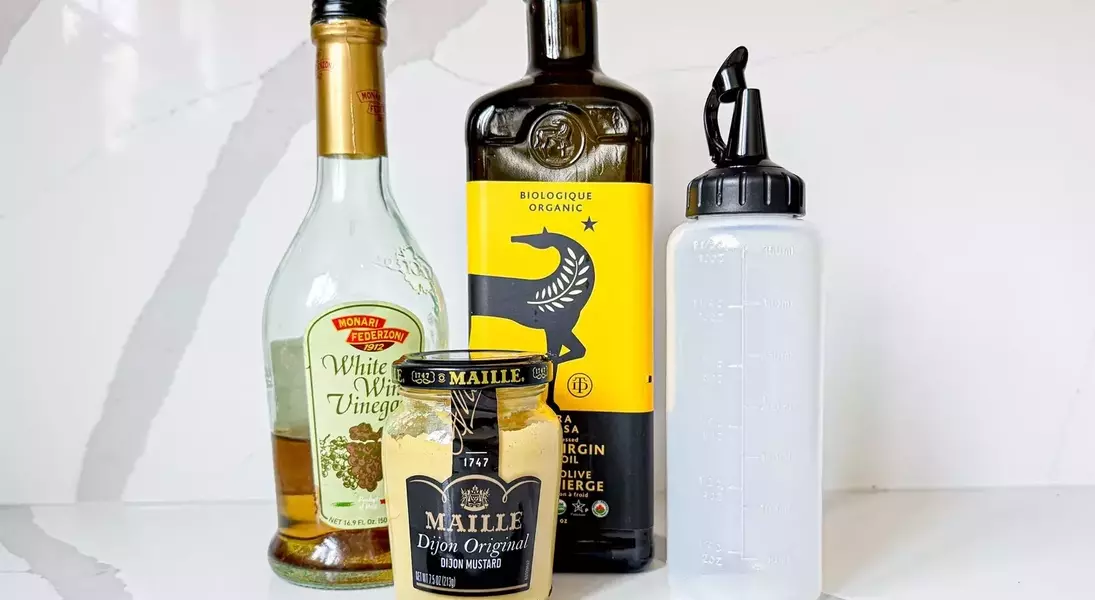
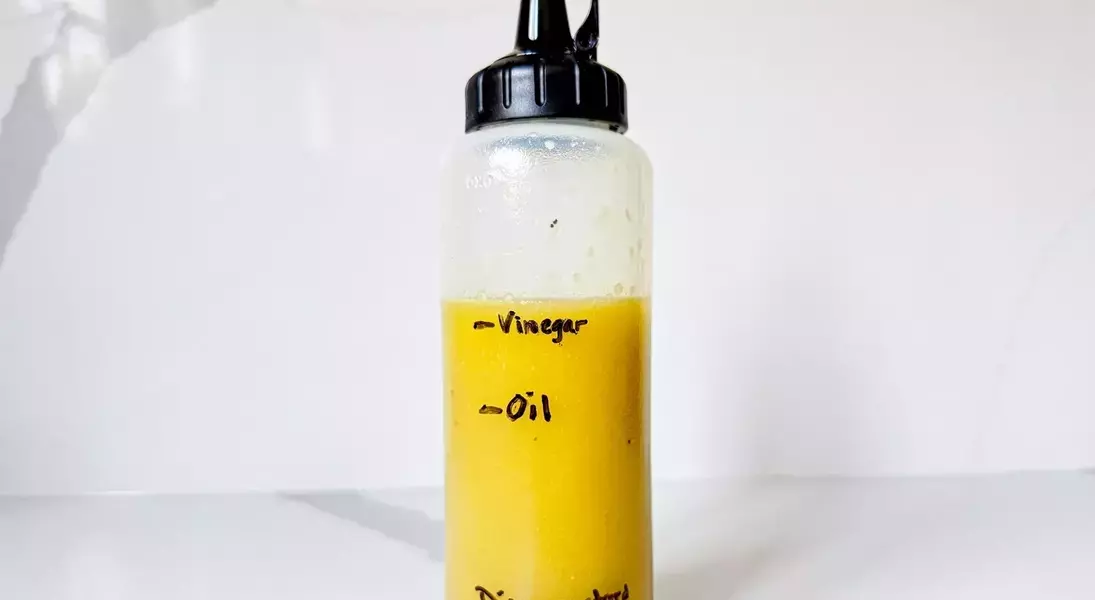
The core of this ingenious method lies in labeling a squeeze bottle with markers for oil and acid. This eliminates the need for measuring cups and referencing recipes. When it's time to prepare a new batch of vinaigrette each week, simply clean and dry the bottle, then use the pre-marked lines to add the precise amounts of ingredients before shaking to combine. This simple trick transforms meal prep from a chore into a quick and satisfying task.
Achieving the Ideal Vinaigrette Ratio: A Three-to-One Formula
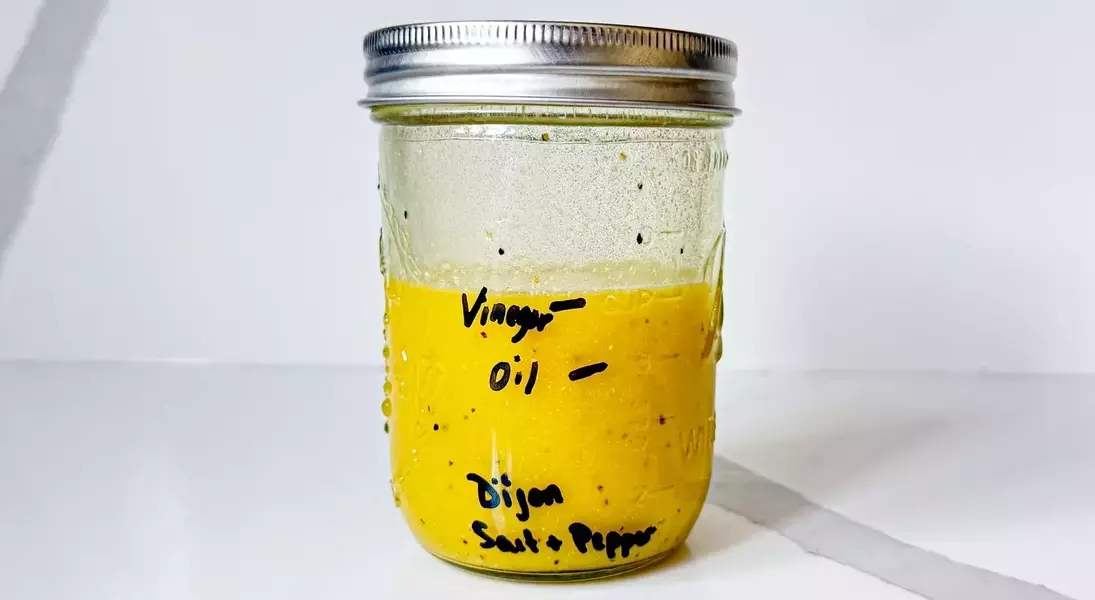
For a basic vinaigrette, the recommended ratio is three parts oil to one part vinegar. To properly mark your squeeze bottle, first add the vinegar and draw a line at its level. Then, with the vinegar still in the bottle, add the oil and mark its level. This sequence is crucial because oil and vinegar have different densities, affecting how they settle. Essential seasonings like salt, pepper, and mustard can be scribbled at the bottom of the bottle as a reminder, as their small quantities don't require precise marking.
Unleash Your Inner Chef: Customizing Your Vinaigrette Creations
While the basic vinaigrette recipe provides a solid foundation, feel free to experiment with different oils, such as avocado, olive, or grapeseed, and various vinegars like balsamic, sherry, white wine, or apple cider. You can also infuse your dressing with dried herbs like oregano for an Italian twist, or fresh aromatics like finely minced shallots and garlic. If incorporating chunkier ingredients, ensure the squeeze bottle's tip is wide enough for them to pass through; if not, simply snip the top with scissors to enlarge the opening.
Crucial Considerations for Vinaigrette Storage and Safety
It's important to note that adding ingredients like fresh garlic significantly impacts the vinaigrette's shelf life. While a basic vinaigrette with only vinegar, oil, mustard, salt, and pepper can be refrigerated for weeks, the inclusion of garlic or other botulism-prone ingredients reduces its shelf life to just a few days, even when refrigerated. This is due to the risk of botulism toxins forming in oil-stored garlic. Always prioritize food safety when customizing your dressings.
Adapting the Method to Glass Containers: A Permanent Solution
For those who prefer glass over plastic, this labeling trick can still be applied. However, instead of a permanent marker, an oil-based paint marker is recommended for glass surfaces, as it adheres better to non-porous materials. Regardless of the container material, hand-washing is advised to preserve the markings. Should the markings fade over time, they can easily be reapplied, ensuring continuous convenience and perfect vinaigrette for all your culinary adventures.
