Explore the fascinating world of Philly Fluff cake, a classic dessert with deep roots in the culinary landscape of the New York metropolitan area. This unique Bundt cake, distinguished by its incredibly light and rich texture, is more than just a sweet treat; it's a testament to regional baking traditions and the clever interplay of key ingredients.
Savoring Sweet Memories: The Enduring Appeal of Philly Fluff
The Genesis of a Regional Delight: Tracing the Origins of Philly Fluff Cake
While various regions across the United States proudly claim their signature baked goods, the New York City metro area holds a special place for a lesser-known but equally cherished dessert: the Philly Fluff cake. Despite its name, this cake has no connection to Philadelphia, Pennsylvania, nor does it incorporate marshmallow fluff. Instead, the 'Philly' refers to Philadelphia-brand cream cheese, a pivotal ingredient that imparts a distinctive tangy richness to the cake. The 'Fluff' aptly describes its remarkably plush and airy texture, a testament to a unique baking process that bridges the traditional density of a pound cake with the ethereal lightness of an angel food cake.
The Transformative Power of Cream Cheese in Cake Baking
At the very core of Philly Fluff's unique character—elevating it far beyond a mere variation of pound cake—lies the indispensable contribution of cream cheese. This key ingredient does more than just introduce a subtle tang; it actively enhances the cake's moistness, adds a crucial fat component, and provides sugars that are vital for achieving a beautiful golden-brown crust and a remarkably tender crumb. As food science explains, dairy elements fulfill multiple roles in baking, influencing flavor, texture, and the browning process. In this recipe, cream cheese serves as the not-so-secret element that truly distinguishes Philly Fluff from other cakes, though it works in concert with other components.
The Crucial Role of Fats in Achieving Philly Fluff's Signature Texture
This particular cake recipe diverges from standard pound cake formulations not solely due to the inclusion of cream cheese, but also because it incorporates a substantial amount of vegetable shortening. Unlike butter, which contains approximately 80% fat, shortening is pure fat. This higher fat content allows it to more effectively coat the flour particles, thereby inhibiting gluten development and ultimately yielding a finer, more delicate, and exceptionally tender crumb. The harmonious blend of cream cheese, butter, and shortening creates a formidable trio of fats, contributing to the cake's indulgent richness and its characteristic airy quality. For optimal results, it is imperative that all three fats are thoroughly softened to room temperature. If they are too cold, they will not emulsify correctly, resulting in a lumpy batter and a cake that lacks the desired light and fluffy consistency.
The Distinct Advantage of Cake Flour in Achieving a Delicate Crumb
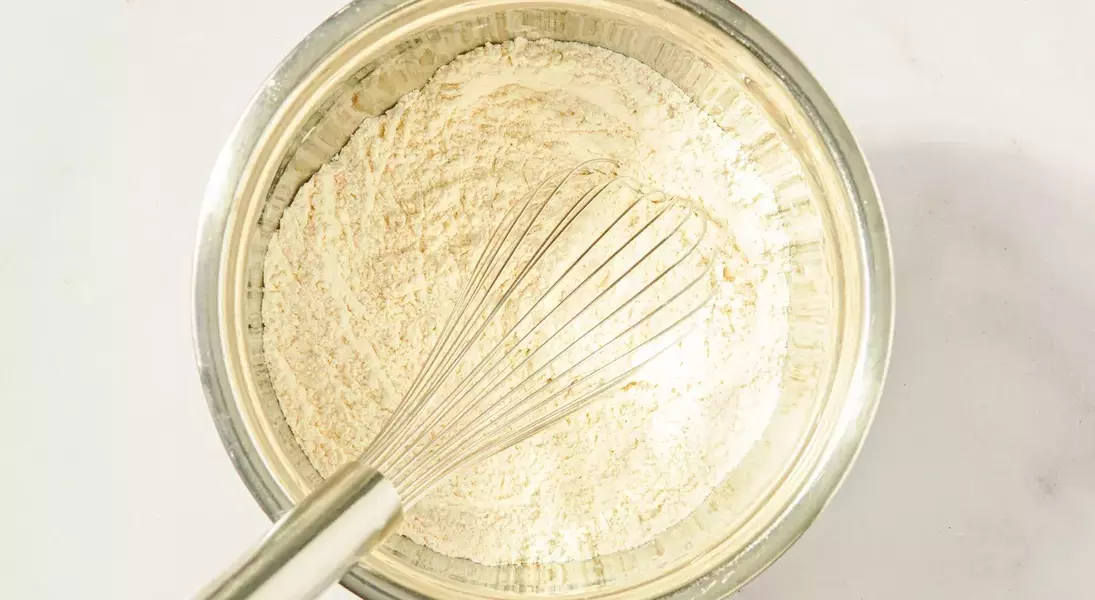
In the contemporary adaptation of the Philly Fluff cake, cake flour is preferred over the all-purpose flour typically found in earlier renditions. Cake flour boasts a lower protein content, generally ranging from 7% to 9%, in contrast to all-purpose flour's 10% to 12%. This reduced protein level directly translates to diminished gluten formation, which in turn contributes to an exceptionally tender crumb. However, for those without cake flour, an equivalent amount of all-purpose flour can be used, though the resulting cake may exhibit a slightly denser texture, yet still maintain its delicious appeal.
Employing the Reverse Creaming Method for Optimal Cake Texture
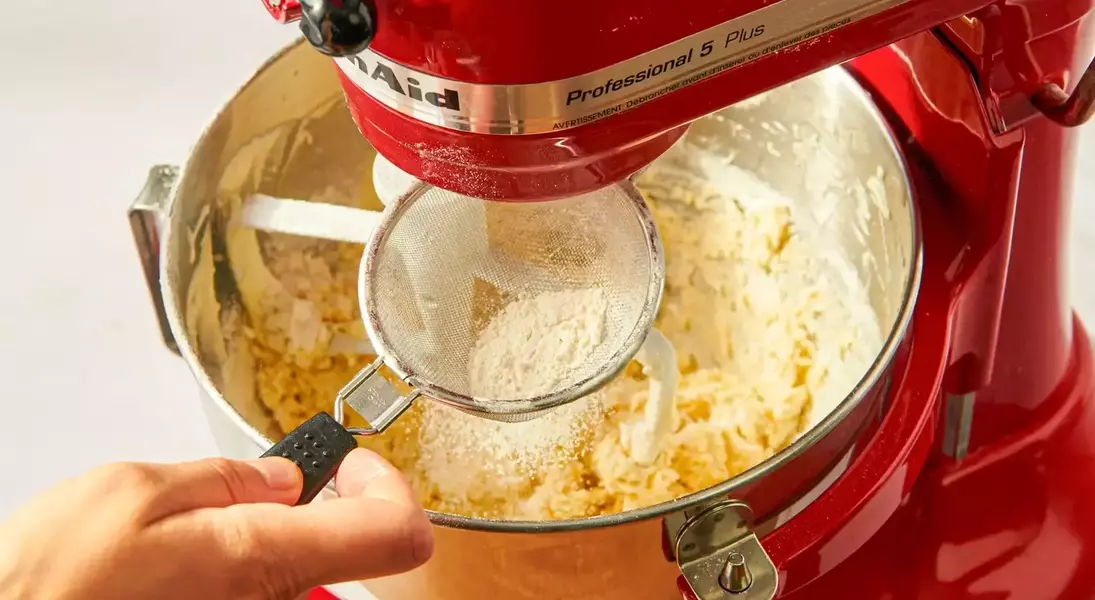
Extensive testing revealed that while traditional creaming methods yield a pleasant cake, the reverse creaming technique consistently produced a superior texture for this particular recipe. This method, also a feature of Bruce's original formulation, involves initially combining and whipping the fats. Subsequently, the dry ingredients are gradually incorporated, followed by the sugar and eggs. This sequential addition ensures that the flour is coated with fat early in the process, which effectively curtails the development of long gluten strands. The outcome is a final cake that is wonderfully soft and tender, avoiding any chewy or rubbery consistency. Furthermore, this approach aids in maintaining a smooth, homogenous batter, minimizing the risk of lumps without the need for excessive mixing.
Precision in Mixing for an Exemplary Batter
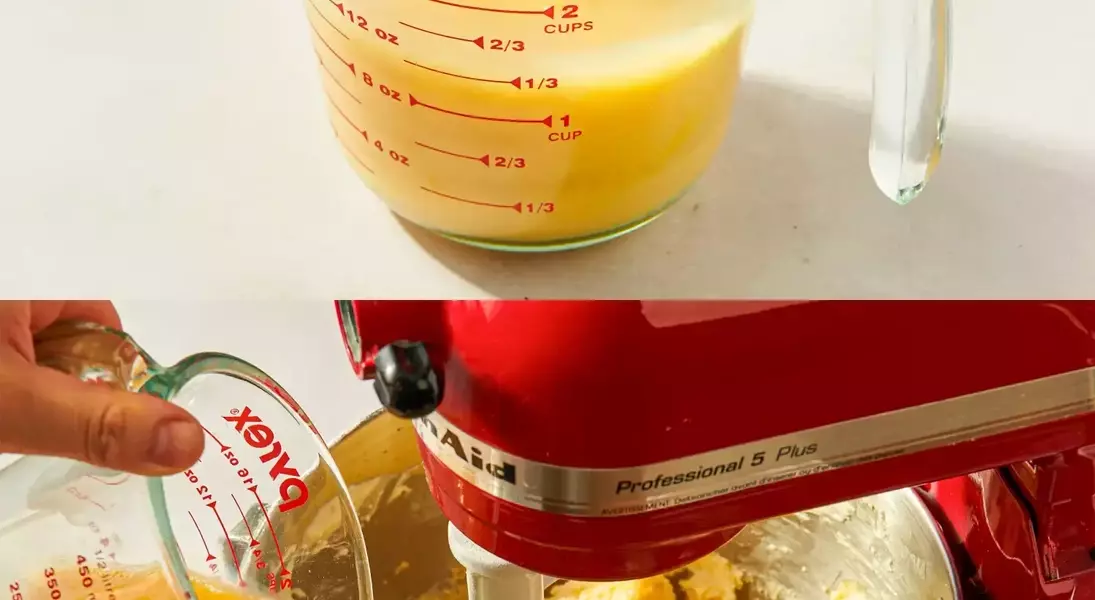
Once the fats have been expertly whipped to a light and airy consistency, visibly pulling away from the bowl's edges, it is crucial to gently sift in the dry ingredients. Sifting is essential as it eliminates any potential lumps and helps to maintain the batter's delicate, airy quality. At this stage, mix the ingredients just until they are integrated, noting that the texture may appear somewhat granular. Following this, gradually add the granulated sugar, and then slowly incorporate the whisked egg and vanilla mixture. Throughout the mixing process, remember to frequently scrape down the sides and bottom of the bowl to ensure all components are thoroughly combined, resulting in a uniformly silky and cohesive batter.
The Art of the Signature Chocolate Swirl
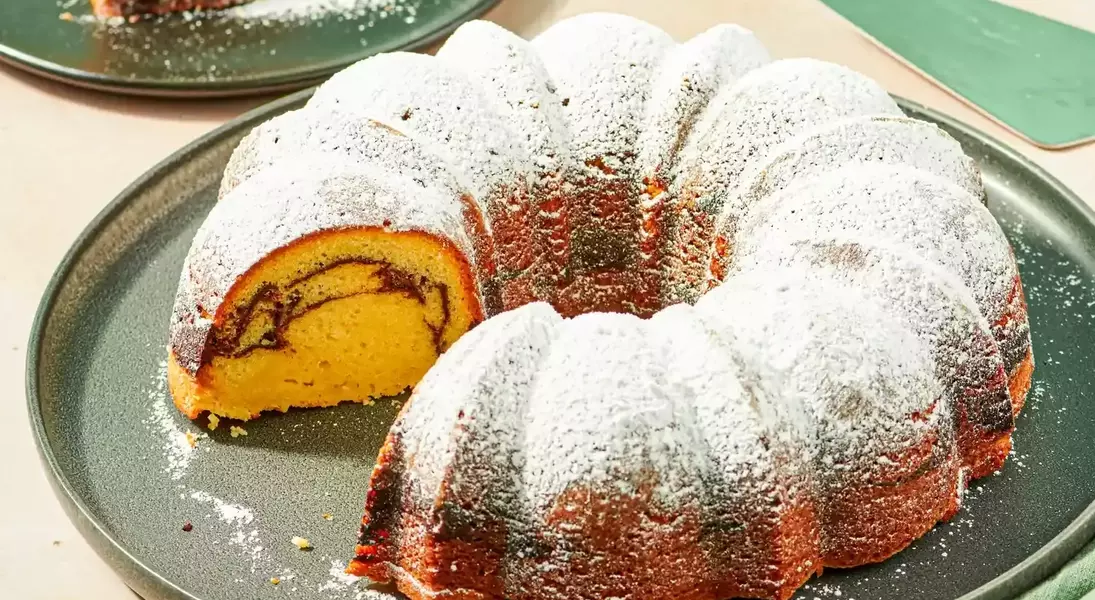
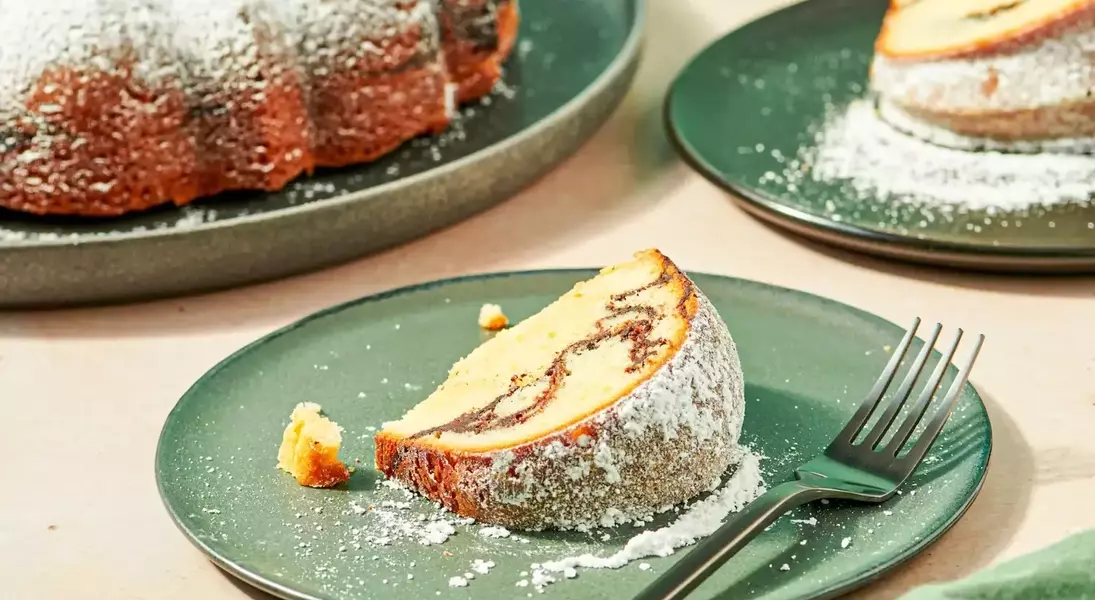
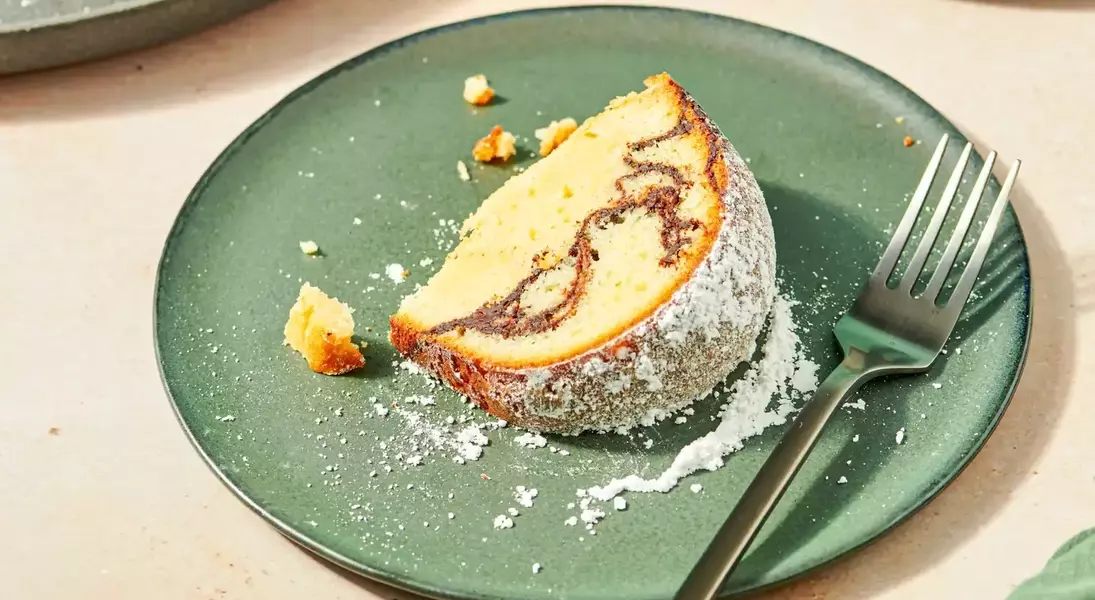
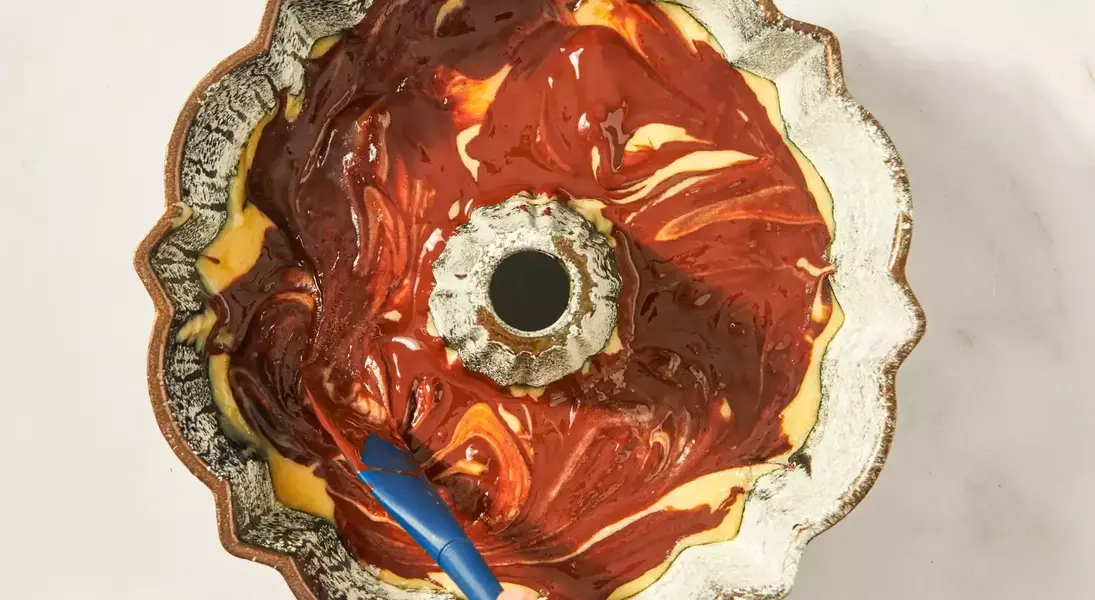
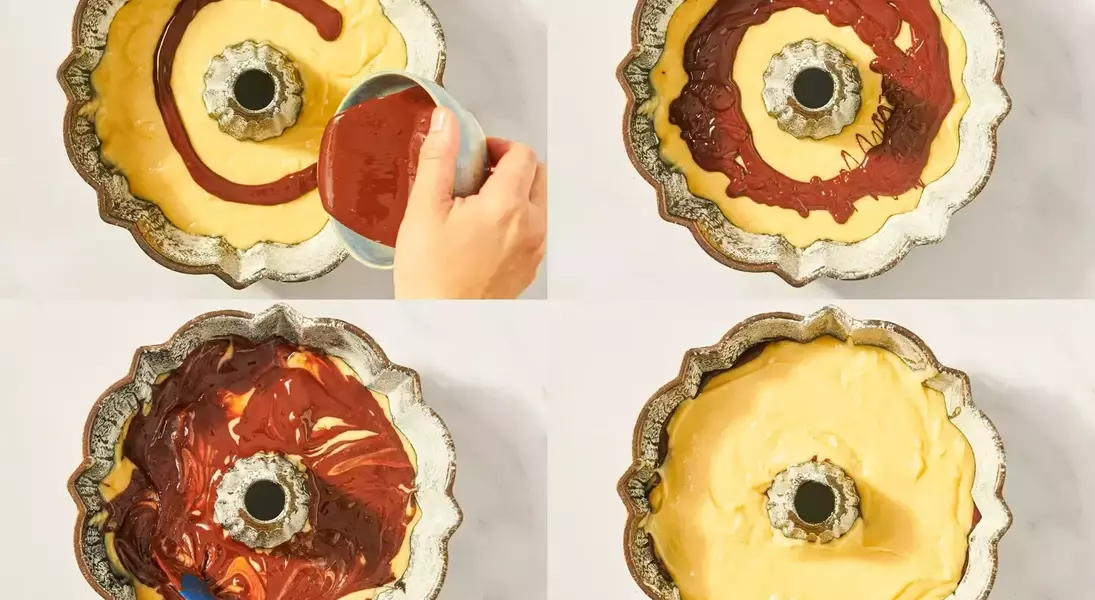
While the Philly Fluff cake is delightful in its unadorned state, the classic rendition commonly found in New York-area bakeries almost invariably features a beautifully marbled chocolate swirl. This swirl is not merely for aesthetic appeal; its bittersweet ribbons offer a delightful contrast to the cake's richness, introducing nuanced cocoa notes and creating a striking visual dimension upon slicing. Achieving a perfect swirl requires both precision and moderation. The objective is to create distinct chocolate ribbons that do not sink or blend excessively into the batter. Begin by spooning half of the plain batter into the prepared pan, then carefully drizzle the melted chocolate over it in a thin stream. Utilize a skewer, offset spatula, or butter knife to gently create a few deliberate figure-eight patterns, just enough to swirl without fully incorporating. Cover with the remaining plain batter, gently smooth the surface, and allow the oven's heat to complete the transformation.
The Finishing Touches: Baking and Cooling for Perfection
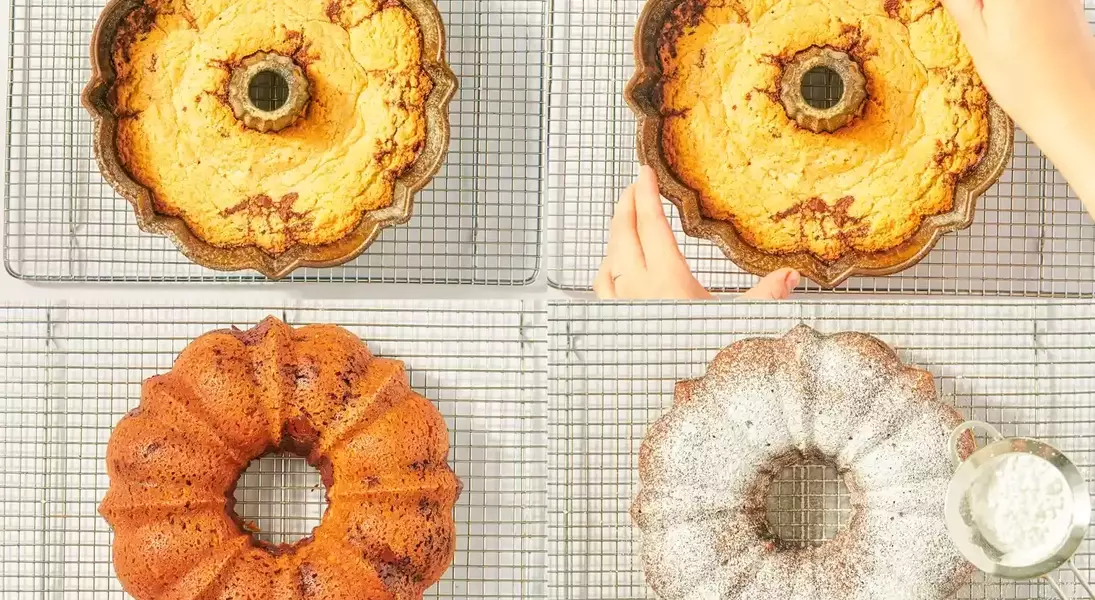
The optimal baking method for Philly Fluff cake involves a low and slow approach, with the oven set at 325°F (160°C). This gentle heat allows the batter to rise gradually and set uniformly, preventing over-baking of the edges. The cake is ready when its top achieves a golden-brown hue and a toothpick or cake tester inserted into the center emerges clean. Post-baking, patience is paramount: allow the cake to cool completely within its pan. This critical cooling period enables the cake to firm up and naturally detach from the sides. Rushing this step risks structural damage during unmolding. Once fully cooled, the cake receives its final, iconic flourish: a generous dusting of powdered sugar. This delicate white topping is more than just a decorative accent; it’s a visual hallmark of the Philly Fluff’s identity, connecting it to the cherished bakery displays of Long Island and North Jersey, where its quiet charm has been enjoyed for generations.
