This article explores a convenient and efficient method for preparing soft, fluffy pita bread using an air fryer. Drawing inspiration from traditional baking, it introduces techniques that enhance the bread's texture and flavor, making homemade pita accessible without the need for a conventional oven. The narrative blends personal anecdote with practical culinary advice, offering a comprehensive guide to achieving bakery-quality results at home.
Mastering Homemade Pita: Air Fryer Revolution for Bakery Freshness
The Air Fryer Advantage: Efficient Baking for Perfect Pita
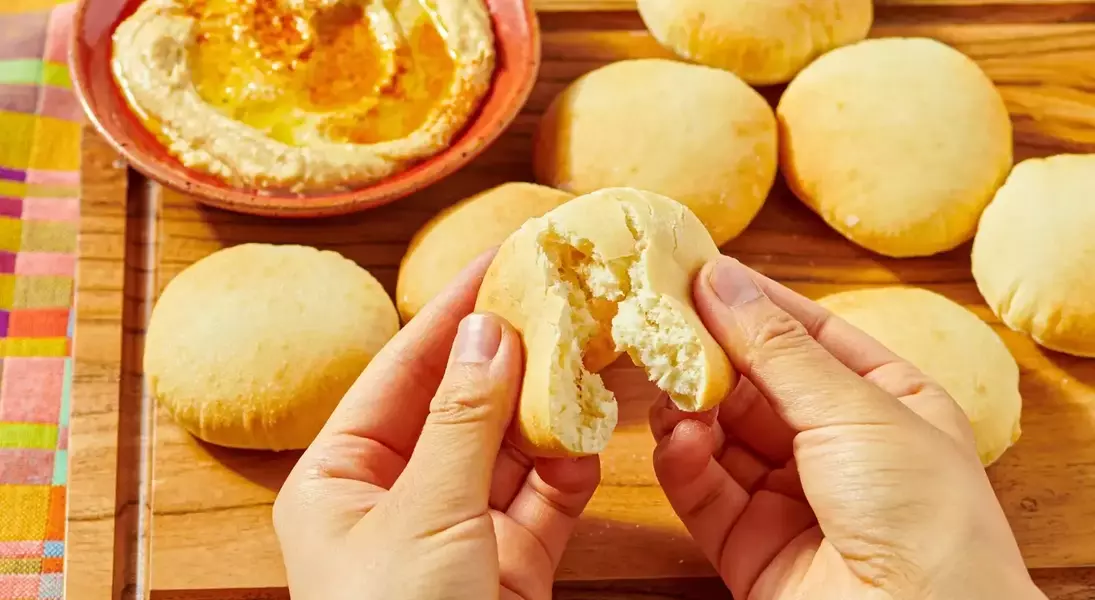
Utilizing an air fryer provides a distinct edge for baking pita bread, akin to a compact convection oven. Its rapid, consistent circulation of hot air ensures thorough and even cooking, producing a delightfully crispy exterior while maintaining a soft, airy interior. This high-heat environment is critical, as it promotes steam generation within the dough, causing the pita to beautifully puff up into a characteristic pocket. Furthermore, the air fryer's quick preheating and stable temperature control often surpass larger ovens, making it a more convenient and reliable choice for achieving consistently superior pita.
Dough Preparation: The Foundation of Flavor and Texture
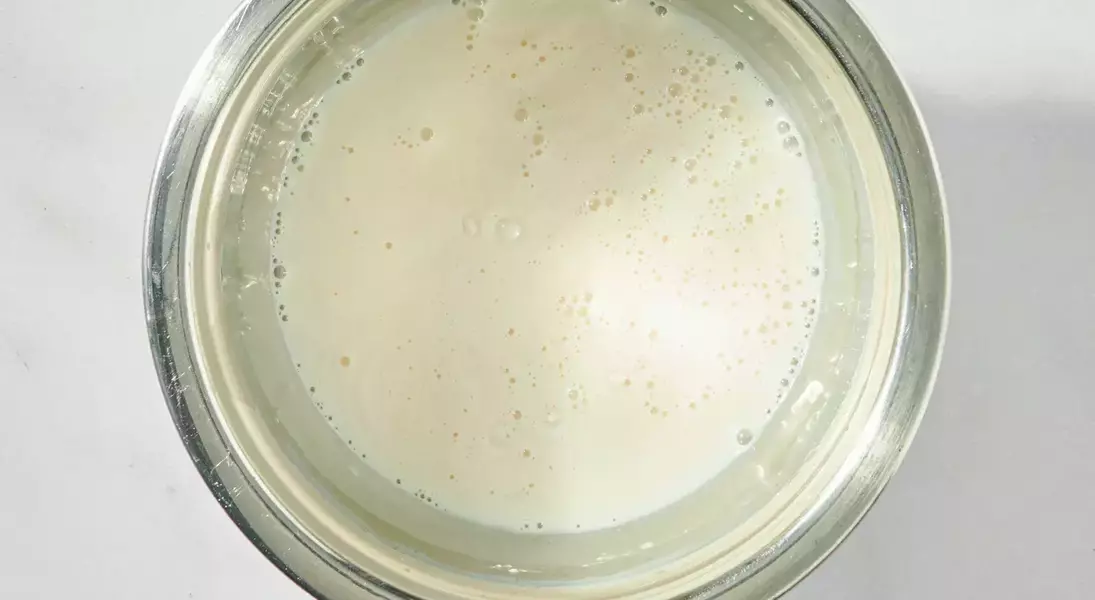
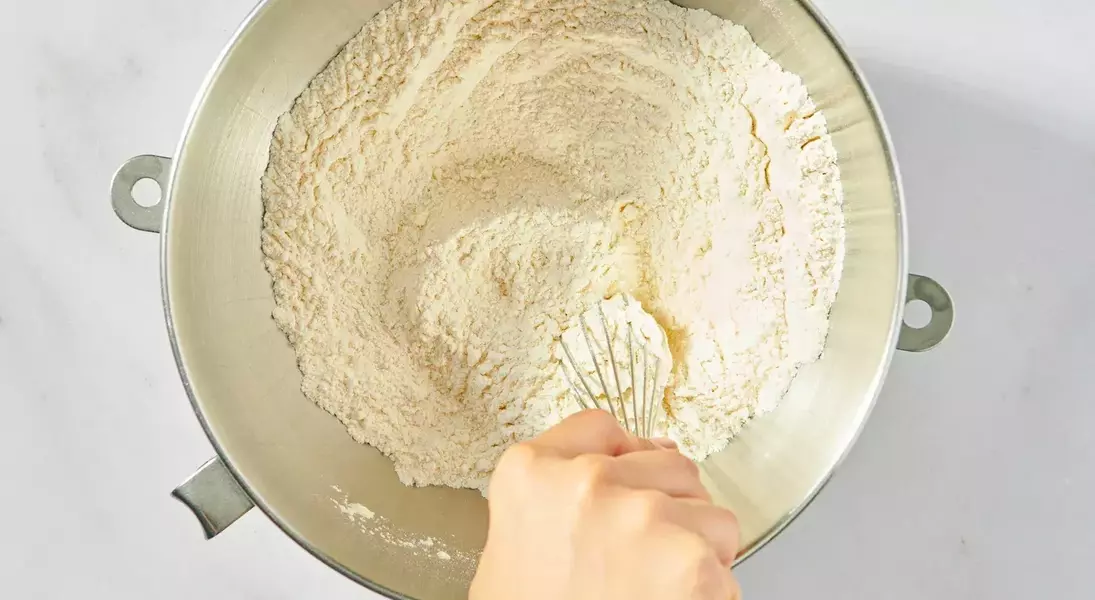
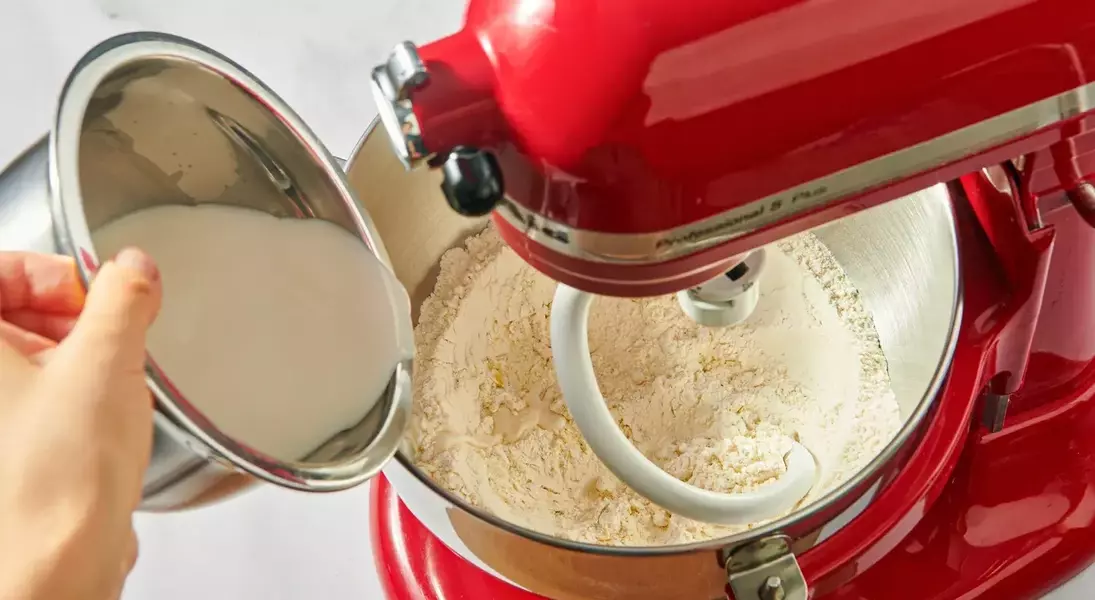
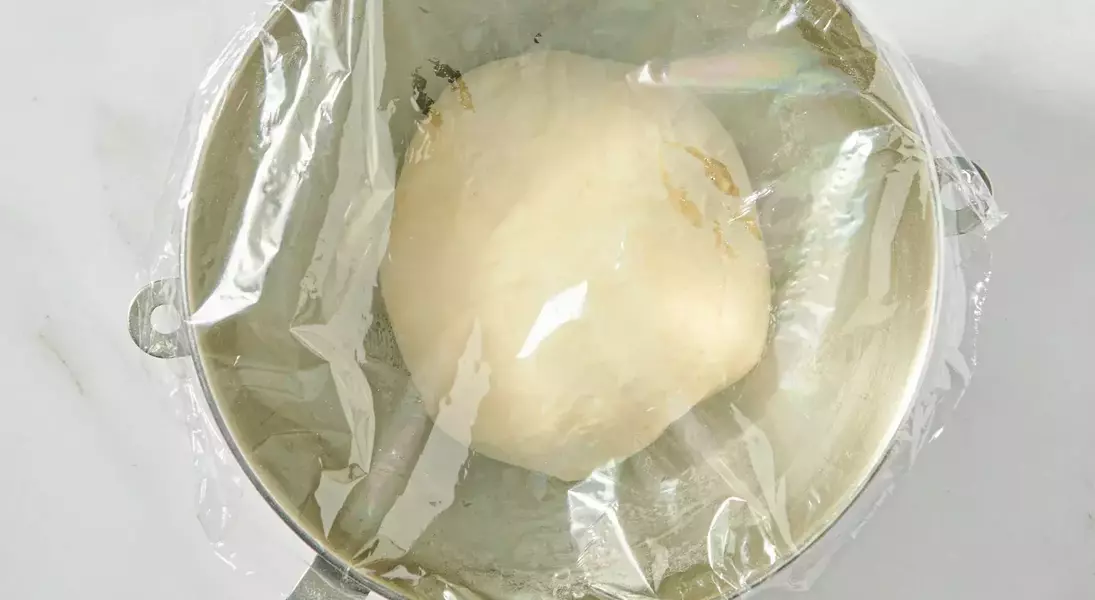
The journey to perfect pita begins with precise dough preparation. Activating dry yeast in warm milk, ideally between 100°F and 110°F (38°C to 43°C), ensures proper fermentation, aided by a touch of honey to jumpstart the bubbling process. A unique aspect of this recipe involves enriching the dough with both whole milk and milk powder. While not traditional, these dairy components introduce fats and sugars that contribute to a more tender texture and enhanced browning, resulting in a pita that is notably softer and fluffier than those made solely with water. Thorough kneading, particularly with a stand mixer for at least 10 minutes, is paramount. This process meticulously develops the gluten structure, fortifying the dough to endure stretching and shaping without tearing, ensuring a robust and well-risen bread.
Shaping Techniques for Uniform and Puffed Pitas
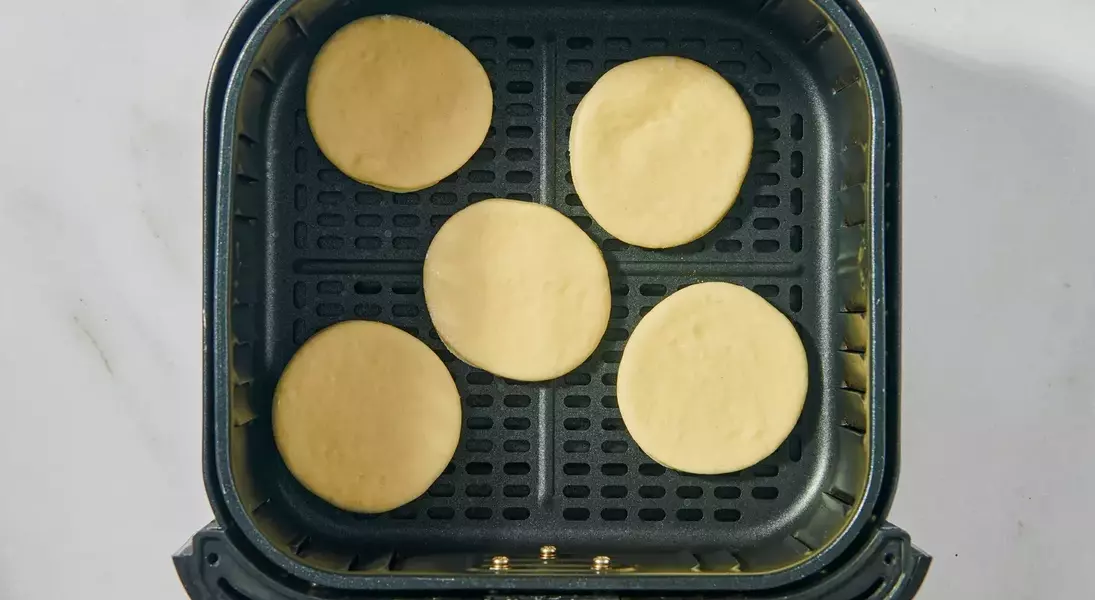
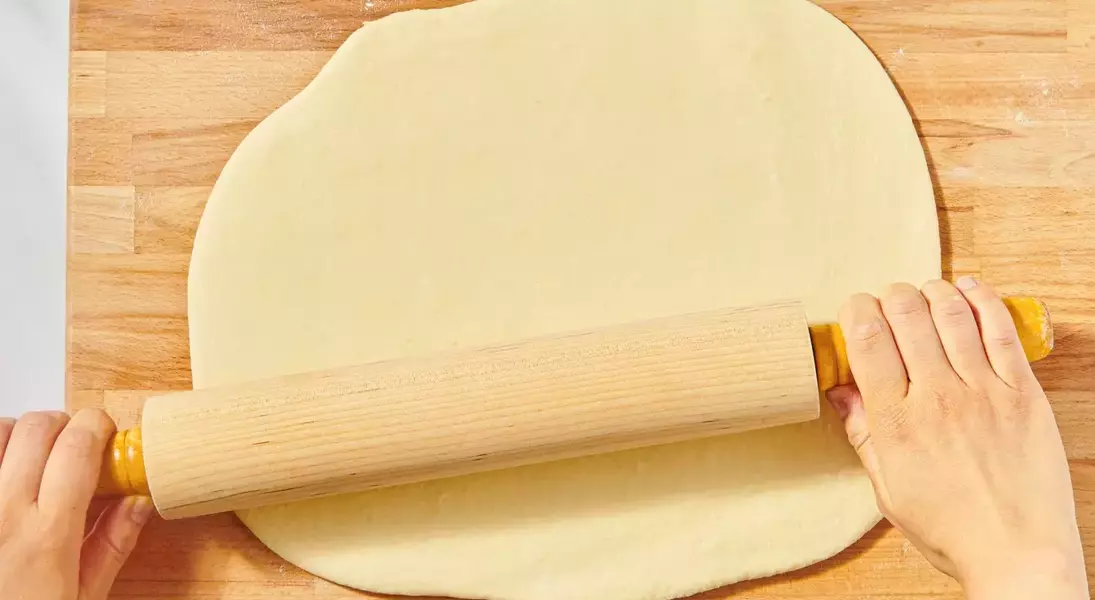
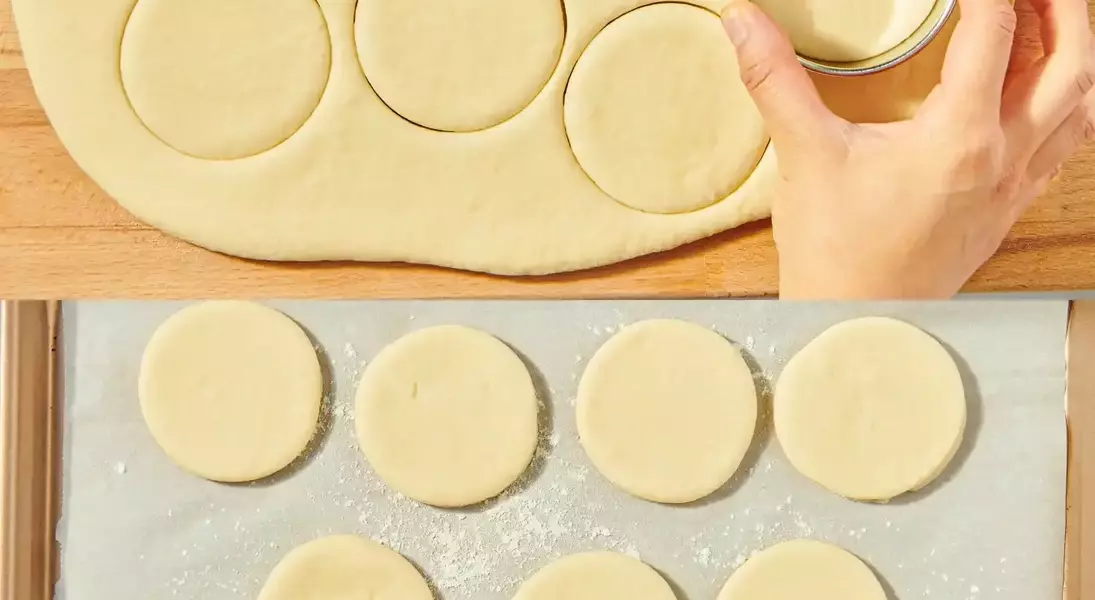
Achieving consistently shaped and perfectly puffed pita rounds is made effortless by rolling out the dough to a uniform 1/4-inch thickness, allowing it to relax, and then using a circular cookie cutter. This technique not only streamlines the shaping process but also effectively seals the edges of each dough disk, which is vital for encouraging the pita to puff up uniformly during baking. Allowing the rolled dough to rest before cutting is crucial; it relaxes the gluten, making the dough more pliable and preventing shrinkage or distortion. For optimal puffing, ensure each disk is free from any imperfections, such as holes or wrinkles, that could compromise the steam pocket. The size of the pita can be customized to fit your air fryer and preference, with larger pieces requiring slightly extended cooking times.
Optimal Baking and Storage for Your Homemade Pita
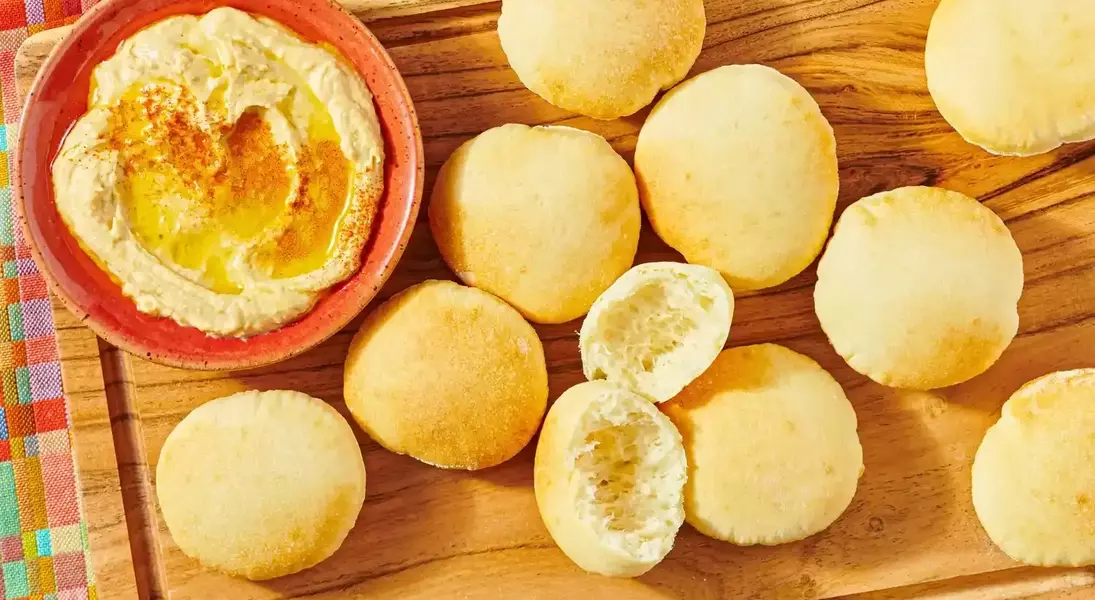
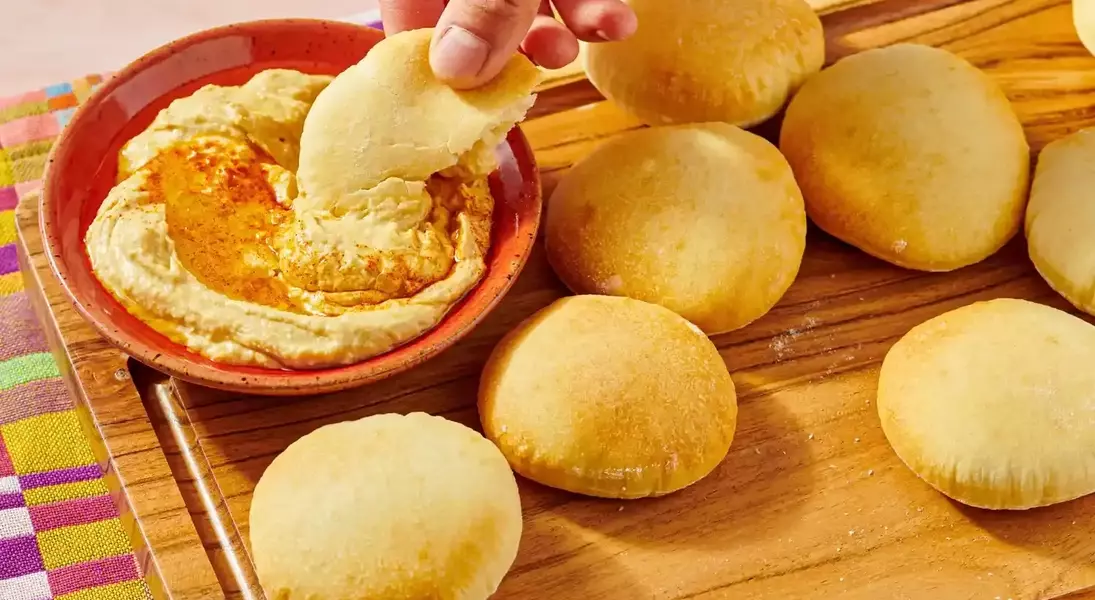
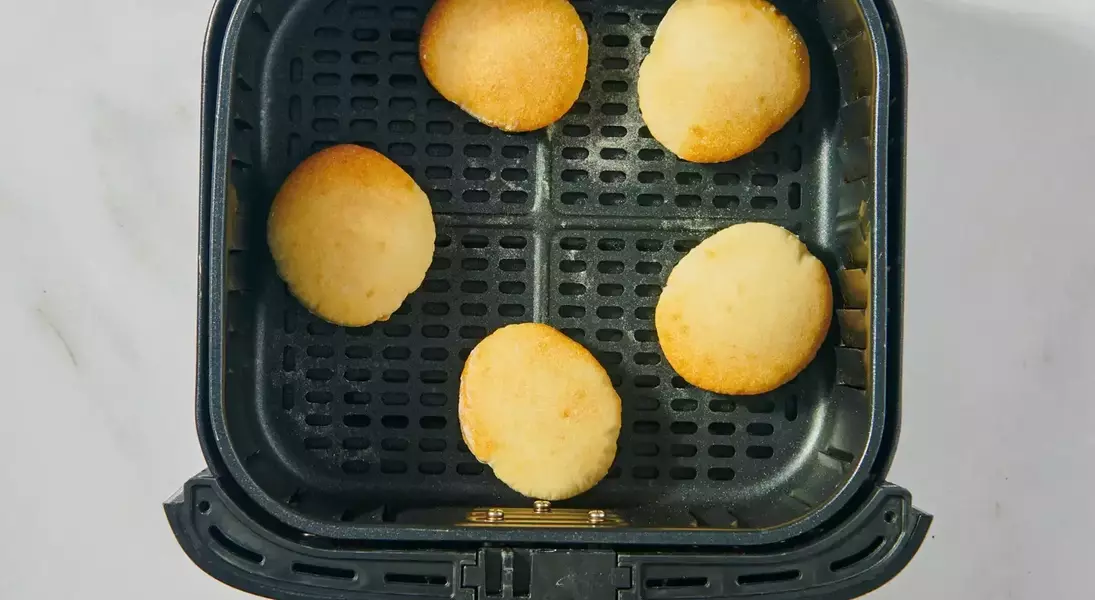
Once shaped, arrange the pita rounds in a preheated air fryer, ensuring adequate spacing for even cooking. At 350°F (175°C), the pitas will quickly puff and turn a light golden color within approximately 5 minutes. After baking, transfer the warm pitas to a basket and cover them with a clean kitchen towel. This simple step helps maintain their softness and warmth until ready for serving. These homemade pitas are incredibly versatile; they are perfect for stuffing, dipping, or simply enjoying as a snack. They can be stored in an airtight container at room temperature for up to two days, or refrigerated for up to five. For longer preservation, freeze them in a zip-top bag with parchment paper between each pita. Reheating from frozen is simple: either directly in the air fryer or wrapped in foil in a conventional oven until warmed through.
