Microsoft has recently introduced a groundbreaking category of computing devices known as Copilot+ PCs, heralding them as a monumental leap forward for the Windows platform. These aren't merely incremental updates but represent a fundamental shift in personal computing, integrating sophisticated AI functionalities directly into the hardware and software experience. This innovative line of laptops promises unparalleled performance for artificial intelligence tasks, setting a new benchmark for speed and intelligence in the Windows ecosystem. While the marketing buzz might suggest a complex revolution, the essence of a Copilot+ PC is a Windows laptop meticulously engineered with specific, powerful components to unlock a suite of unique, AI-driven features. Understanding these devices means looking beyond the hype to grasp their practical implications and the technological advancements that make them possible.
The Dawn of Intelligent Computing: Exploring Copilot+ PC Innovations
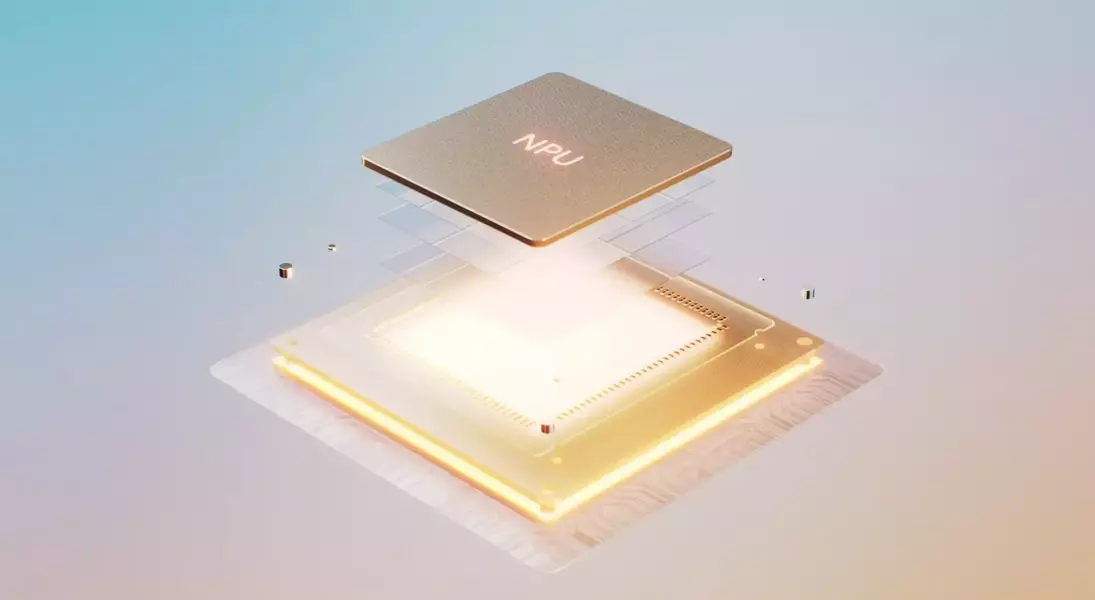
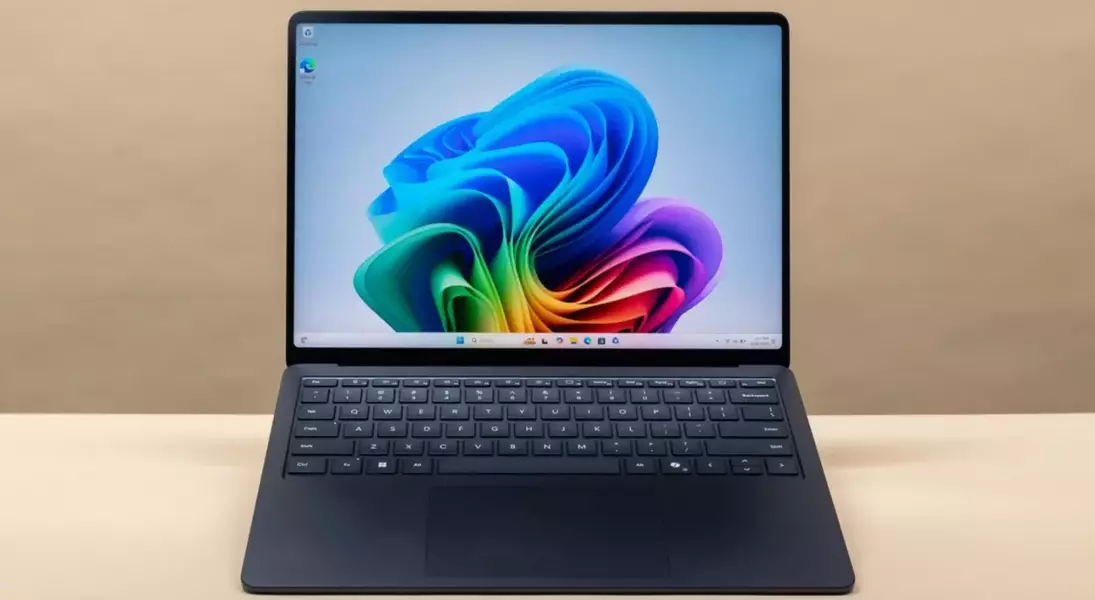
In mid-2024, a significant announcement from Microsoft heralded the arrival of Copilot+ PCs, marking a transformative moment for Windows users. These pioneering laptops are engineered from the ground up to integrate advanced artificial intelligence capabilities seamlessly into the user experience. At their core, Copilot+ PCs distinguish themselves through specialized hardware, primarily a robust Neural Processing Unit (NPU), which is critical for handling complex AI computations directly on the device.
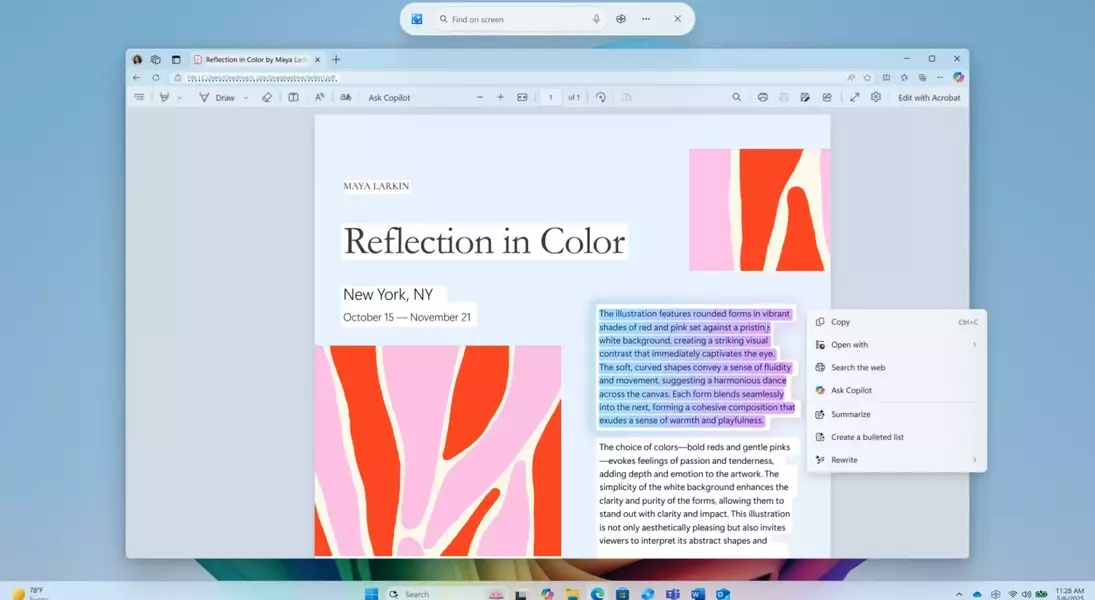
These new machines come equipped with a suite of exclusive AI-powered features designed to enhance productivity and creativity. One notable innovation is \"Click to Do,\" an intelligent tool that offers contextual actions for selected text and images, such as summarizing content, converting it into various formats, or rewriting it with different tones. Furthermore, the enhanced Windows search functionality allows users to locate files and settings effortlessly, even without precise names or spellings.
For global communication and accessibility, Copilot+ PCs feature \"Live Captions,\" a real-time translation tool that converts audio and video from over 44 languages into English captions, akin to existing accessibility features on other platforms. Creative applications also receive a significant boost with \"Cocreator\" in Microsoft Paint, an AI-powered image generator, and \"Image Creator\" alongside \"Restyle Image\" in Microsoft Photos, offering advanced image generation and filtering. A unique yet controversial feature, \"Recall,\" continuously captures screenshots of on-screen activities, making them searchable, though its use requires user opt-in for privacy and security.
Additionally, \"Windows Studio Effects\" elevate webcam interactions by providing intelligent tools for framing, lighting, background adjustments, filters, noise reduction, and even gaze correction for more engaging video calls.
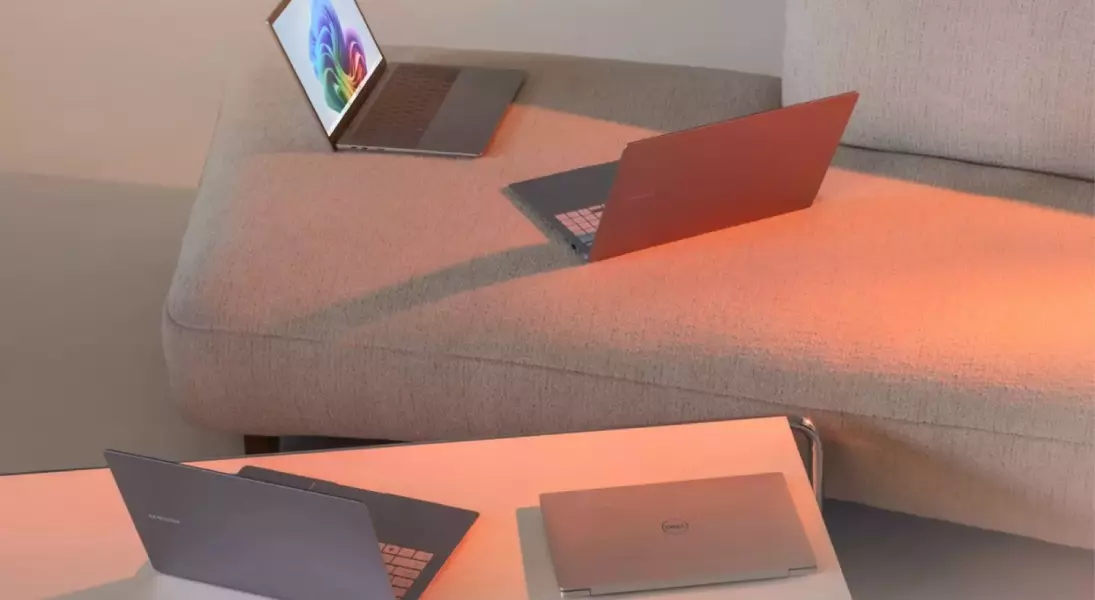
To power these sophisticated features, Copilot+ PCs adhere to stringent minimum hardware specifications. Each device must possess at least 16GB of RAM and 256GB of SSD or UFS storage. Crucially, the integrated NPU must achieve a performance threshold of at least 40 TOPS (Trillion Operations Per Second), signifying its superior AI processing power. Current processors meeting this demanding requirement include Qualcomm Snapdragon X series, Intel Core Ultra 200V series, and AMD Ryzen AI 300 series. It's important for consumers to note that Snapdragon X series processors, being ARM-based, may have compatibility limitations with certain x86-only applications, a factor to consider for specific professional or academic uses. These revolutionary machines, starting from an accessible price point, are available from leading manufacturers such as Microsoft, Acer, Asus, Dell, HP, Lenovo, LG, MSI, and Samsung, and can be purchased through major retailers and directly from manufacturers' websites.
Reflecting on the Future of Personal Computing with AI Integration
The advent of Copilot+ PCs marks a compelling turning point in the evolution of personal computing. As a technophile and a keen observer of digital trends, I find this new category of laptops not just an upgrade, but a redefinition of what a personal computer can do. The integration of powerful NPUs and AI-driven features suggests a future where our devices are not just tools, but proactive assistants that anticipate our needs and streamline complex tasks. The promise of features like intelligent content summarization, real-time language translation, and sophisticated image generation speaks to a desire for more intuitive and efficient interaction with technology. However, the introduction of features like 'Recall' also highlights critical discussions around privacy and data security, urging both manufacturers and users to remain vigilant and prioritize responsible AI development. This shift underscores the importance of understanding the underlying technology and its implications, ensuring that innovation serves humanity responsibly. It's an exciting, yet challenging, era for personal computing, demanding both enthusiasm for progress and a thoughtful approach to the ethical considerations of AI.
