In our increasingly connected world, the dilemma of dwindling device battery life remains a perpetual challenge. Traditional methods of recharging, such as portable power banks or seeking out wall outlets, often fall short when power is critically needed. However, a groundbreaking solution has emerged: reverse charging. This innovative technology empowers devices to transfer energy directly to one another, circumventing the need for external power sources. It's a game-changer for those moments when your gadgets unexpectedly run low, offering a seamless and efficient way to maintain connectivity and functionality on the go. Whether through a simple cable connection or wireless proximity, reverse charging provides an invaluable lifeline in our power-hungry digital lives.
This advanced feature, initially prominent in flagship smartphones, has expanded its reach across a diverse range of portable electronics, including headphones, smartwatches, and even some portable speakers. The true versatility of reverse charging lies in its dual nature: it can be executed via a physical USB-C cable for reliable, fast power transfer, or wirelessly, offering unparalleled convenience. The widespread adoption of USB-C as a universal standard has further propelled its utility, making it easier than ever for users to share power between their devices. Understanding and leveraging this technology means embracing a future where battery anxiety is significantly reduced, ensuring your essential devices are always ready for action.
The Mechanics of Device-to-Device Power Transfer
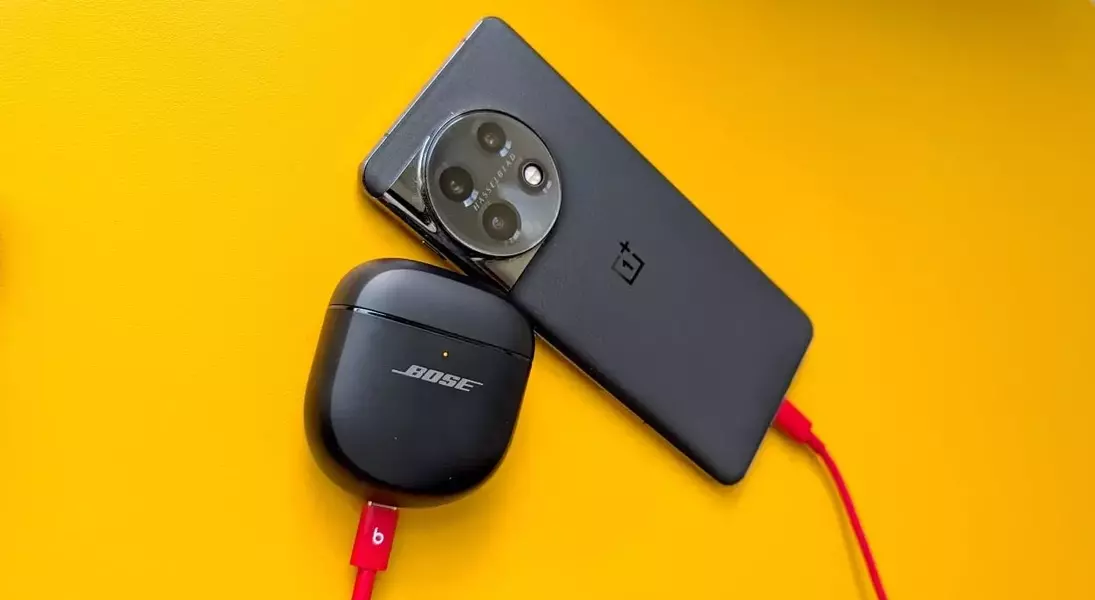
Reverse charging fundamentally transforms how we manage device power, enabling a primary device, such as a smartphone, to act as a portable energy source for another gadget. This capability is not limited to a single device type; rather, it extends across various electronics, from earbuds to larger items like laptops. The core principle involves one device supplying power to another, effectively turning a smartphone into a power bank for smaller accessories or even facilitating a laptop to rejuvenate a phone. This innovative approach ensures that critical devices remain operational even when conventional charging options are unavailable, providing a crucial layer of convenience and reliability for today's dynamic lifestyles.
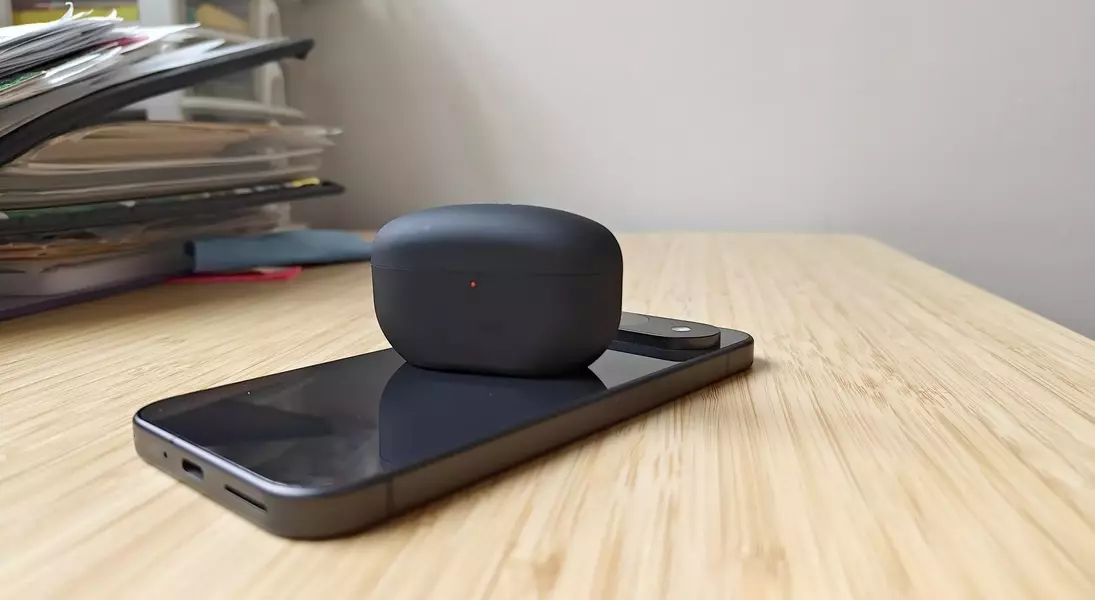
The implementation of reverse charging typically occurs through two primary methods: wired and wireless. Wired reverse charging usually involves a USB-C cable, allowing for a direct and efficient energy transfer between compatible devices. This method is often favored for its speed and stability. Conversely, wireless reverse charging, popularized by companies like Samsung with its PowerShare technology, offers unparalleled convenience. It enables users to simply place a secondary device, such as earbuds or a smartwatch, on the back of a compatible smartphone to initiate charging. This hands-free approach has been adopted by numerous manufacturers, including Google, Huawei, and Xiaomi, underscoring its growing importance in modern device ecosystems. This dual functionality ensures that users have flexible options to keep their essential tech powered up, no matter the situation.
Enhancing Your Charging Experience with Optimal Cables
To fully harness the potential of reverse charging, selecting the right cables is paramount. These cables serve as the crucial conduit for power transfer, and their quality significantly impacts charging efficiency and durability. Beyond merely supplying power, high-performance cables can also facilitate rapid data transfer, enhancing the overall utility of your devices. The market now offers a variety of cables specifically designed to optimize the reverse charging experience, ensuring fast, safe, and reliable power distribution between your gadgets. Investing in superior cabling transforms a simple charge into a seamless, high-speed interaction, extending the life and usability of your electronic companions.
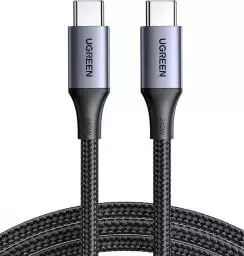
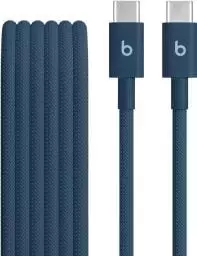
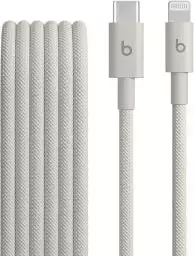
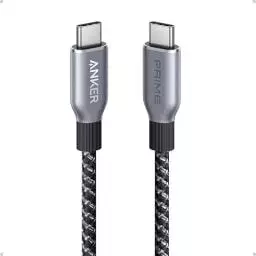
Among the top contenders, certain USB-C cables stand out for their exceptional performance and innovative features. The Beats USB-C to USB-C Cable, for instance, not only provides robust charging capabilities for various audio devices but also supports lossless audio playback for high-fidelity listening. Anker's Prime USB-C to USB-C Cable is engineered for ultra-fast charging, capable of significantly boosting laptop batteries in minutes, while also boasting remarkable durability and rapid data transfer speeds. For a more budget-friendly yet equally effective solution, the UGreen 240W PD3.1 USB-C to USB-C Cable offers impressive charging speeds across a wide array of devices, including laptops, phones, tablets, and gaming consoles, especially when paired with complementary accessories. These specialized cables exemplify how the right accessories can elevate the reverse charging experience, providing efficient and versatile power solutions for all your portable electronics.
