
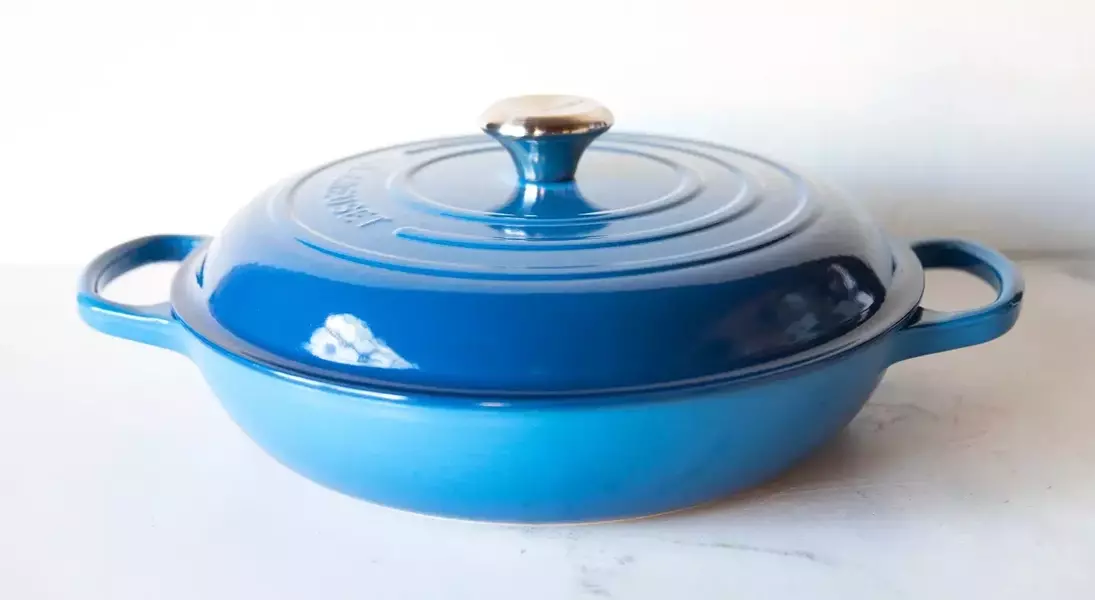

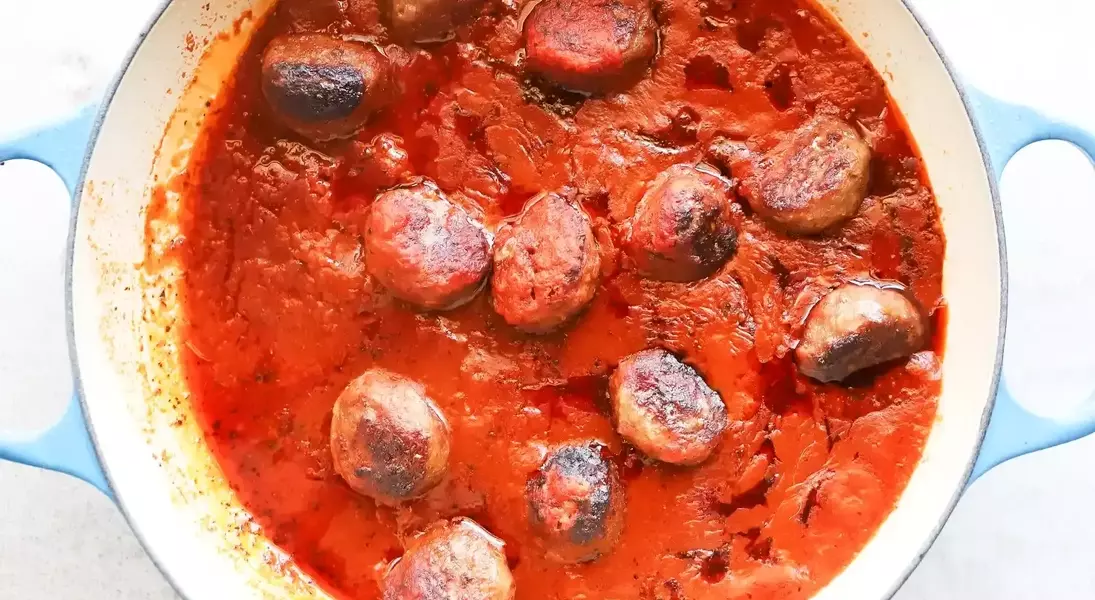
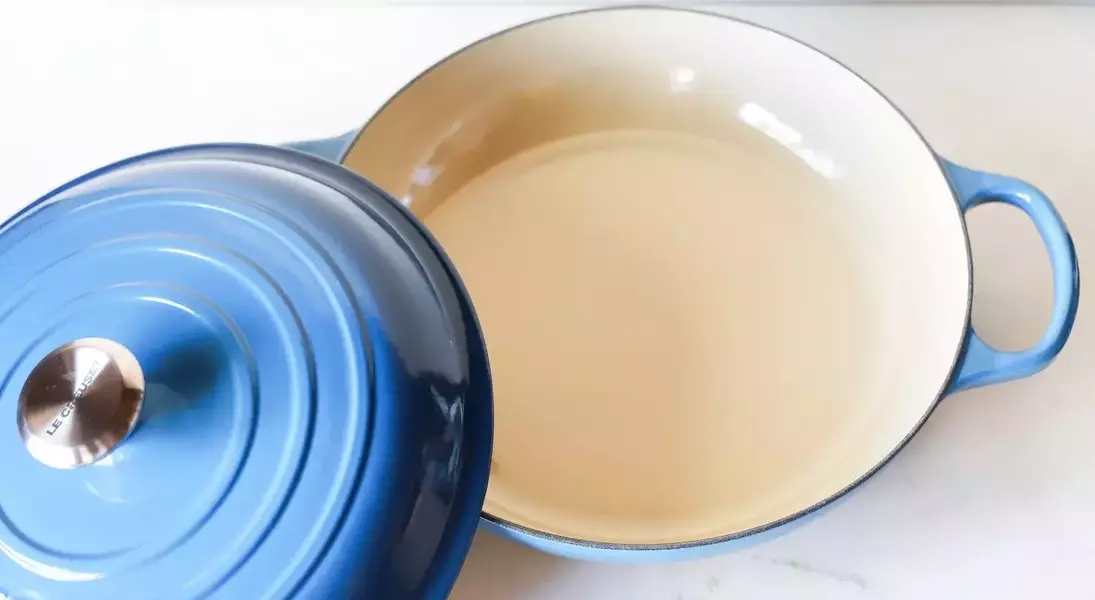

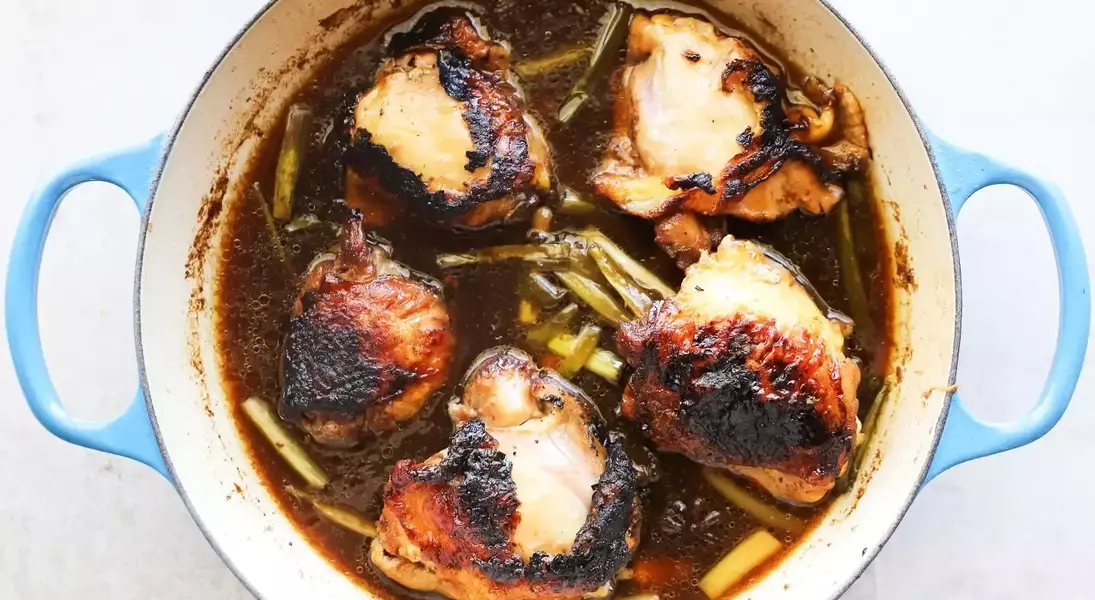
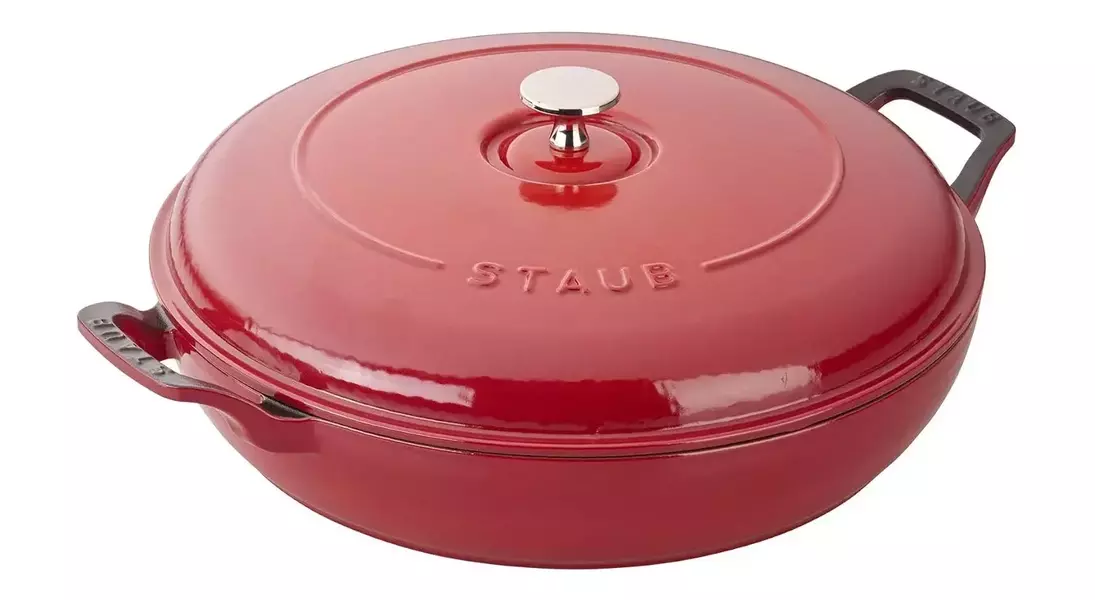
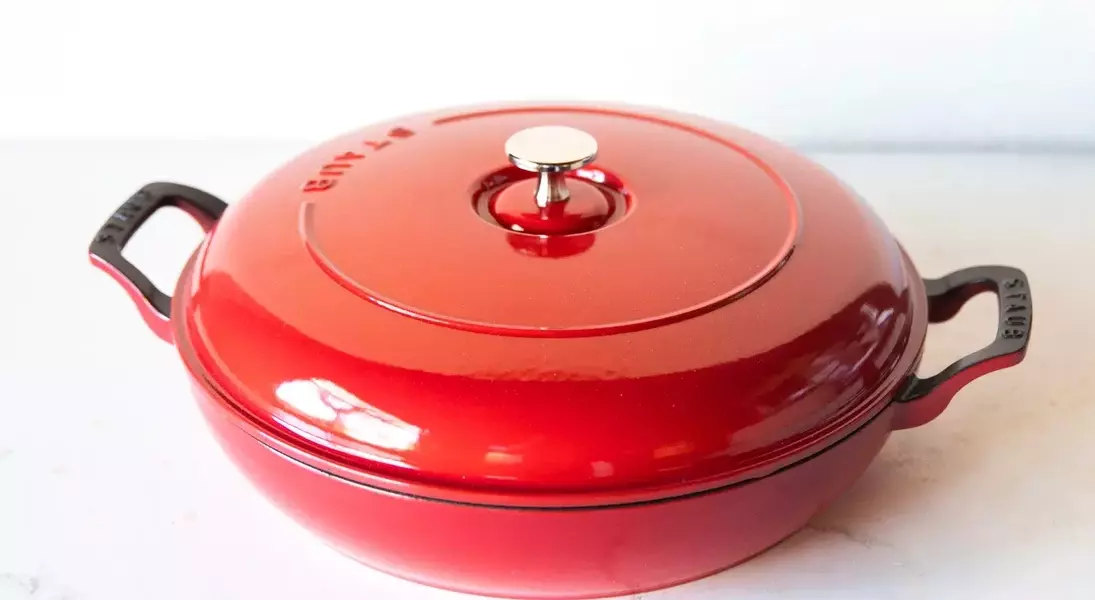
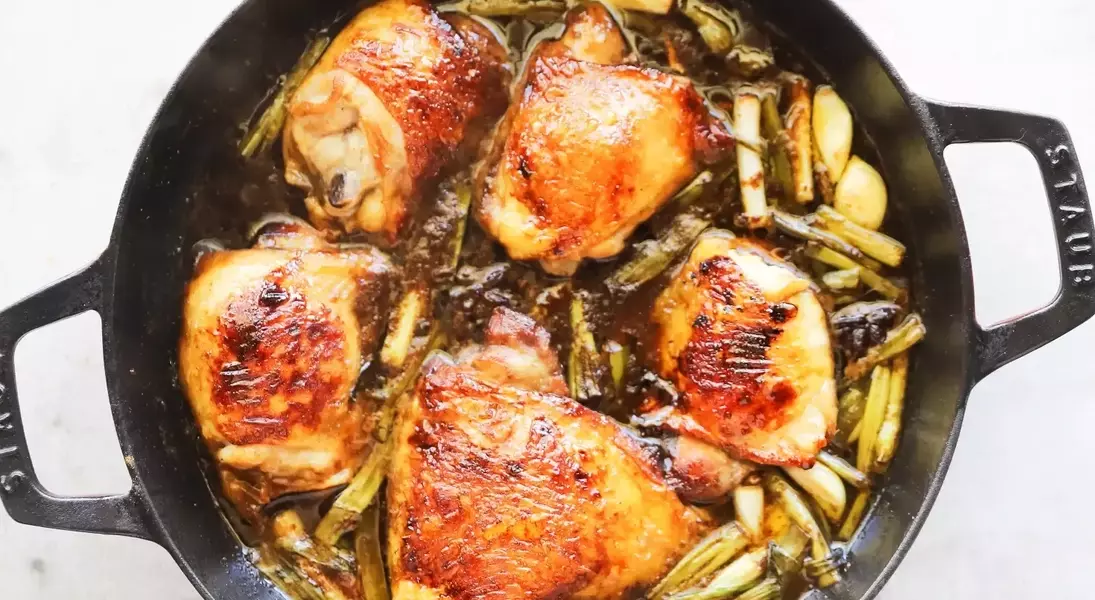
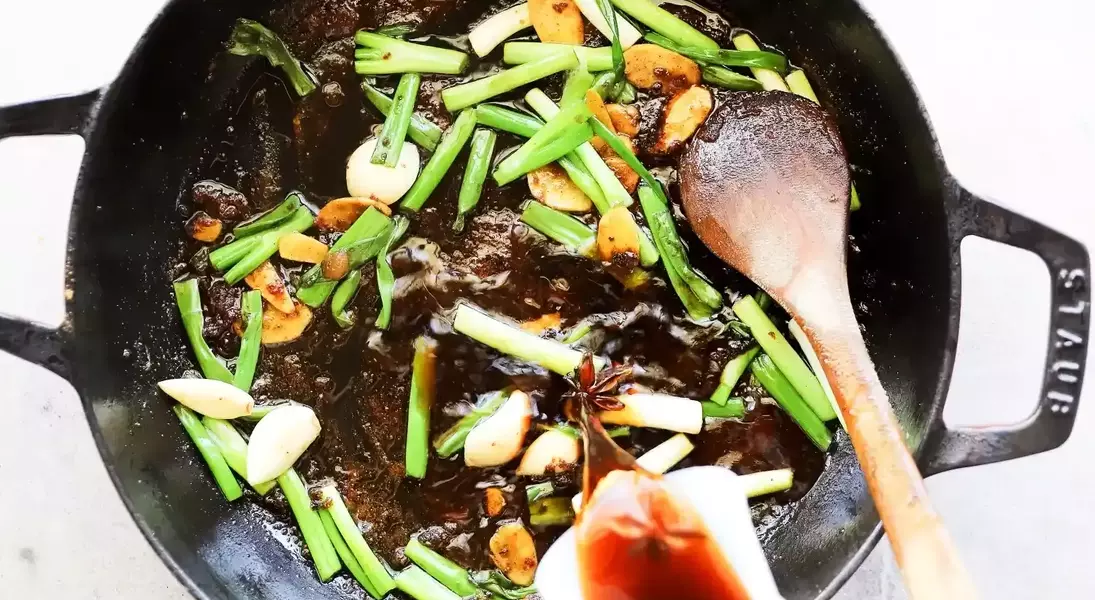
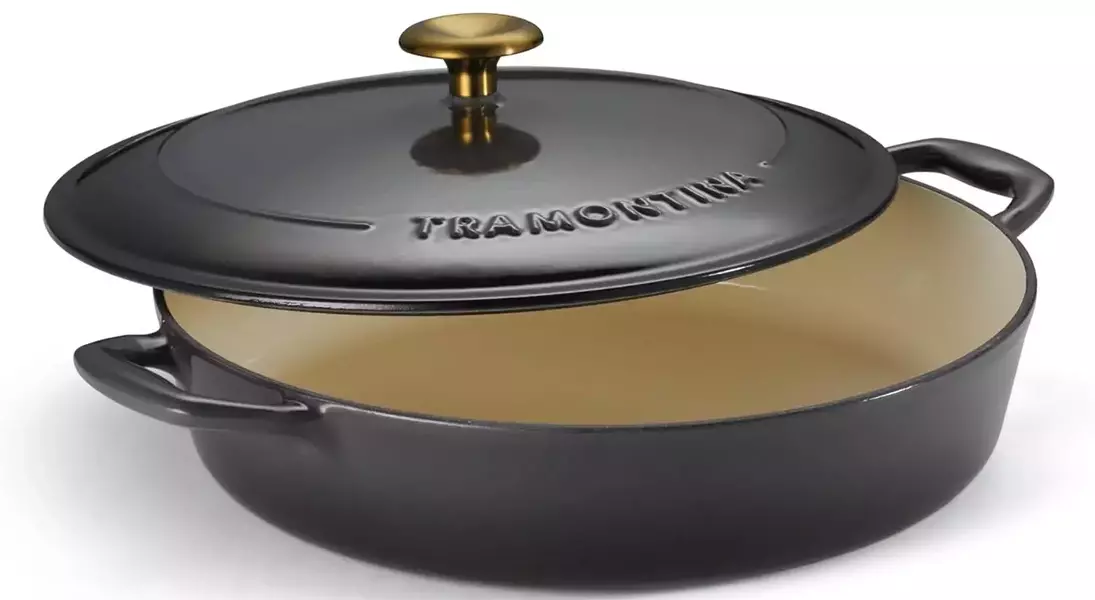
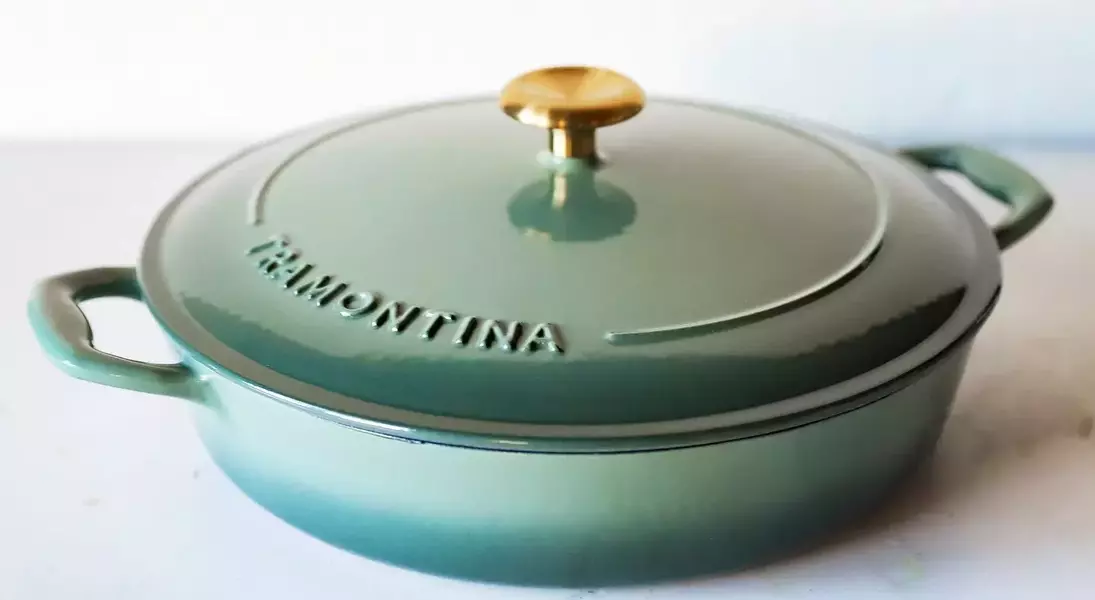



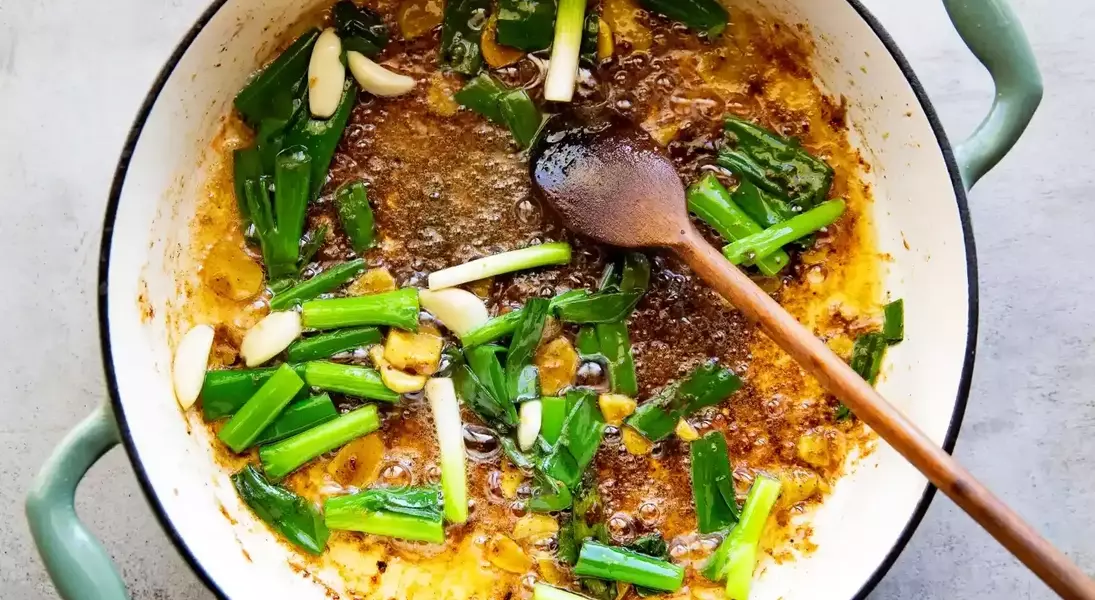
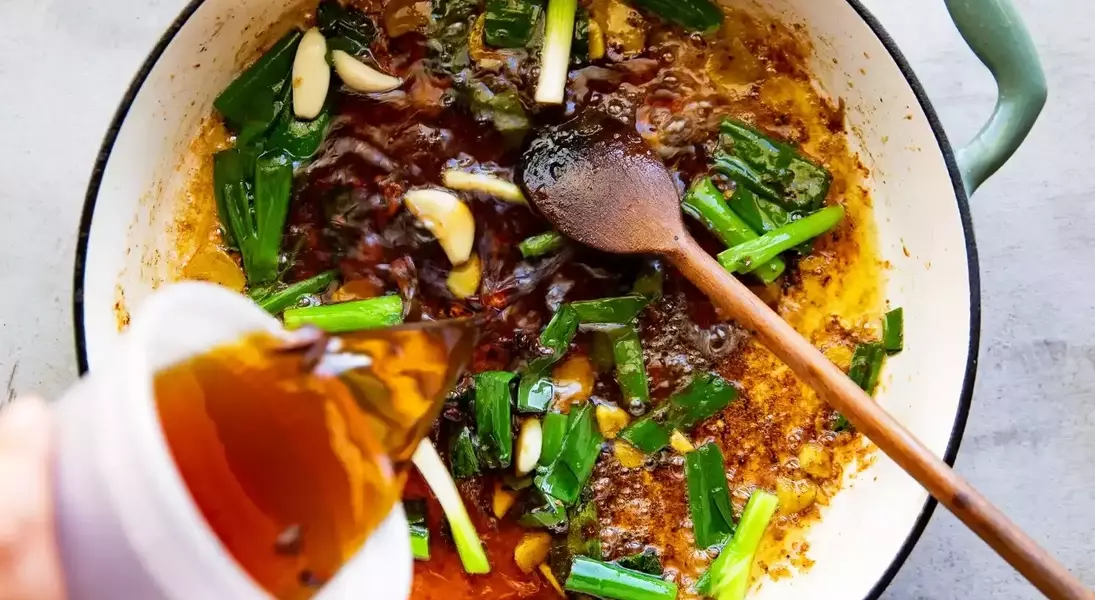
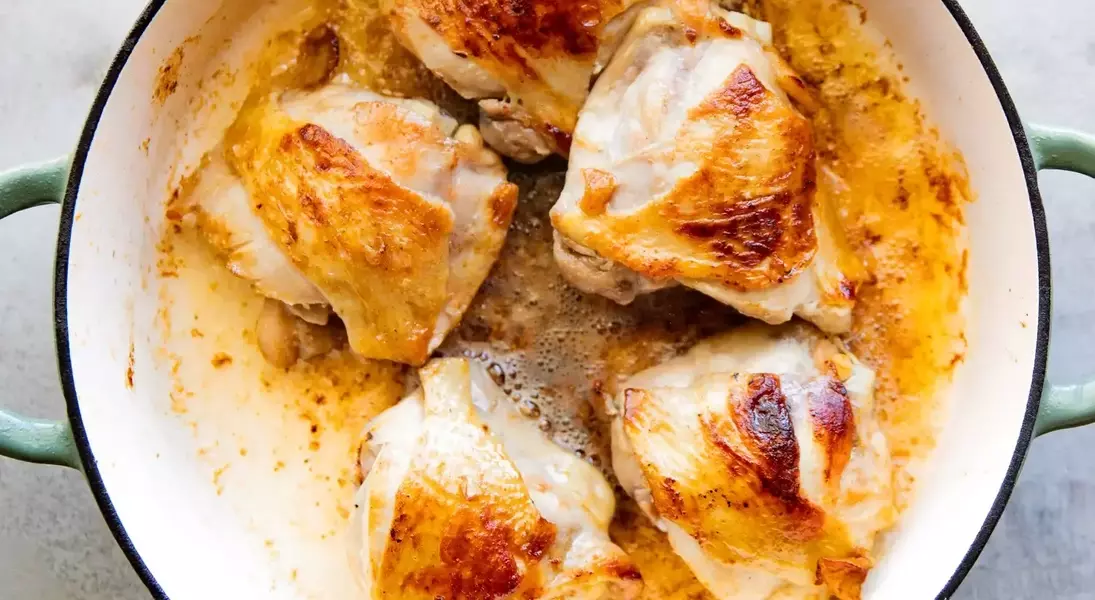
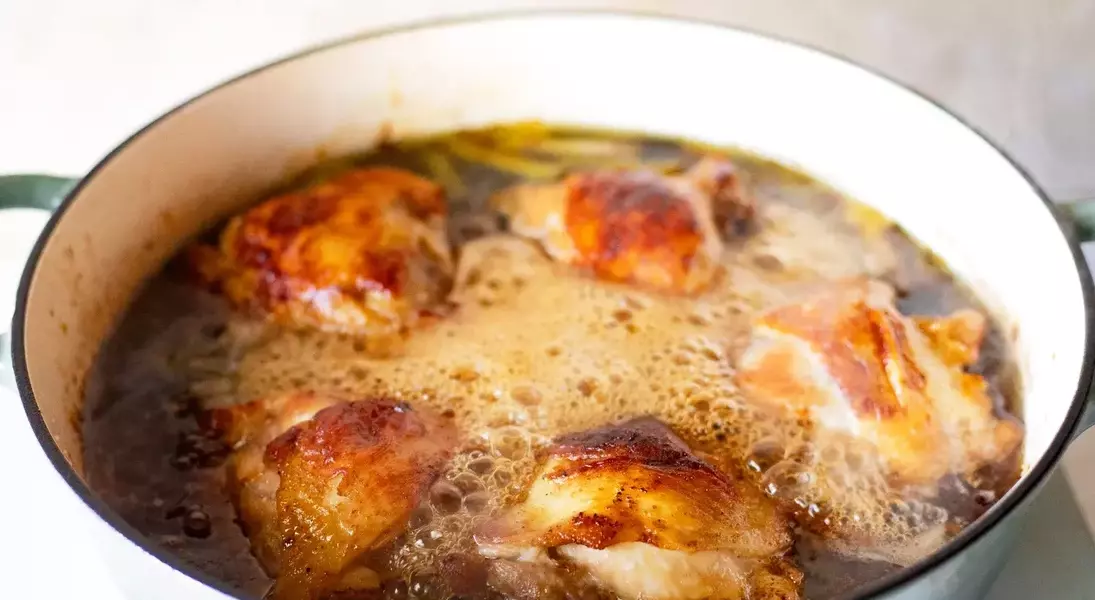
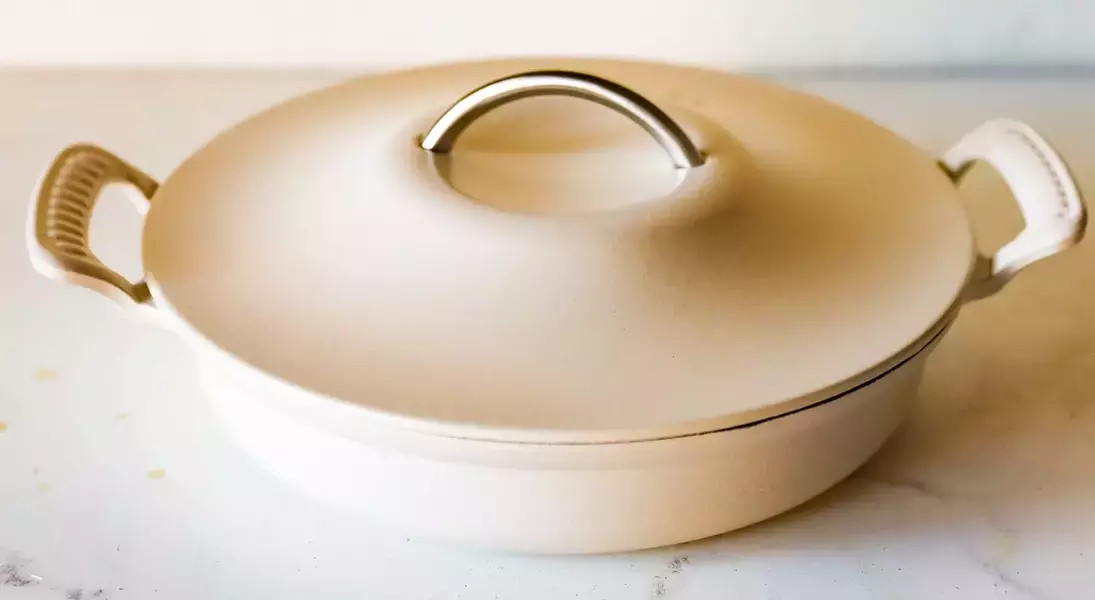


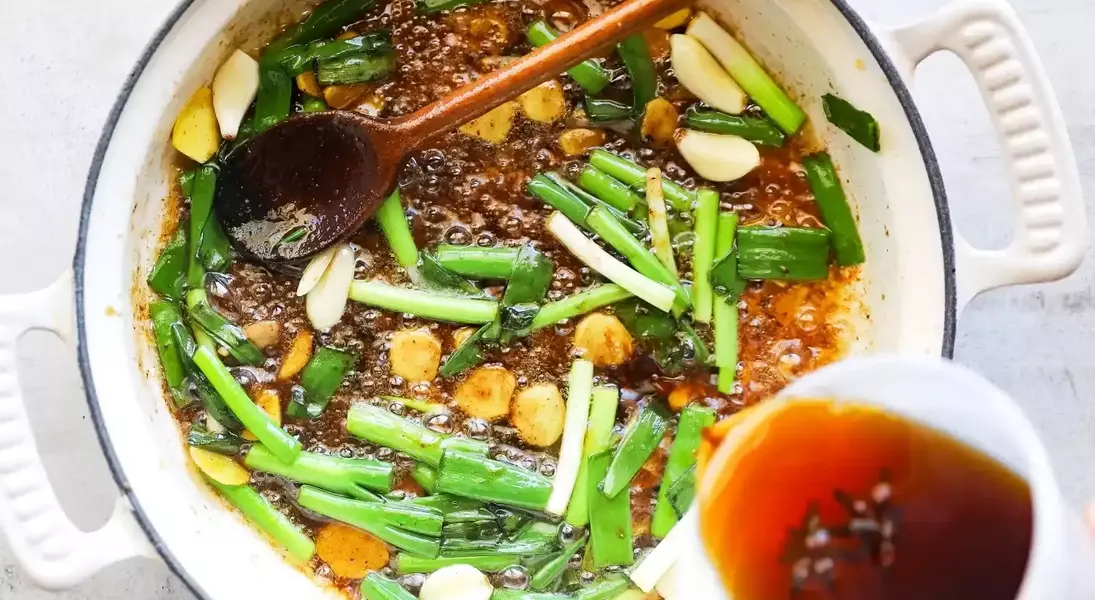
In the realm of enameled cast iron cookware, the braiser stands out as an indispensable tool, often overshadowed by its more renowned counterpart, the Dutch oven. However, its unique design—a broad, shallow vessel—is perfectly engineered for the art of slow-simmering, crafting rich sauces, and tenderizing robust cuts of meat. With a more expansive cooking surface and reduced sidewalls compared to a Dutch oven, the braiser facilitates superior browning and accelerates liquid reduction, resulting in intensified flavors with minimal oversight. This versatile pan proves its worth in countless kitchen endeavors, from preparing succulent, fall-off-the-bone short ribs to effortlessly creating weeknight chicken parmesan. Extensive testing of numerous braisers has pinpointed the top five performers, ensuring optimal results for comforting, slow-cooked culinary masterpieces.
Discovering the Top Braisers: In-Depth Analysis and Findings
Braisers, often likened to the unsung heroes of the kitchen, are meticulously designed enameled cast iron vessels that excel in the art of slow-cooking. They are engineered to maximize flavor development through efficient browning and controlled liquid reduction. Extensive testing has revealed that the best braisers combine superior heat retention, ample cooking surface, and ergonomic design, making them indispensable for achieving tender, flavorful dishes.
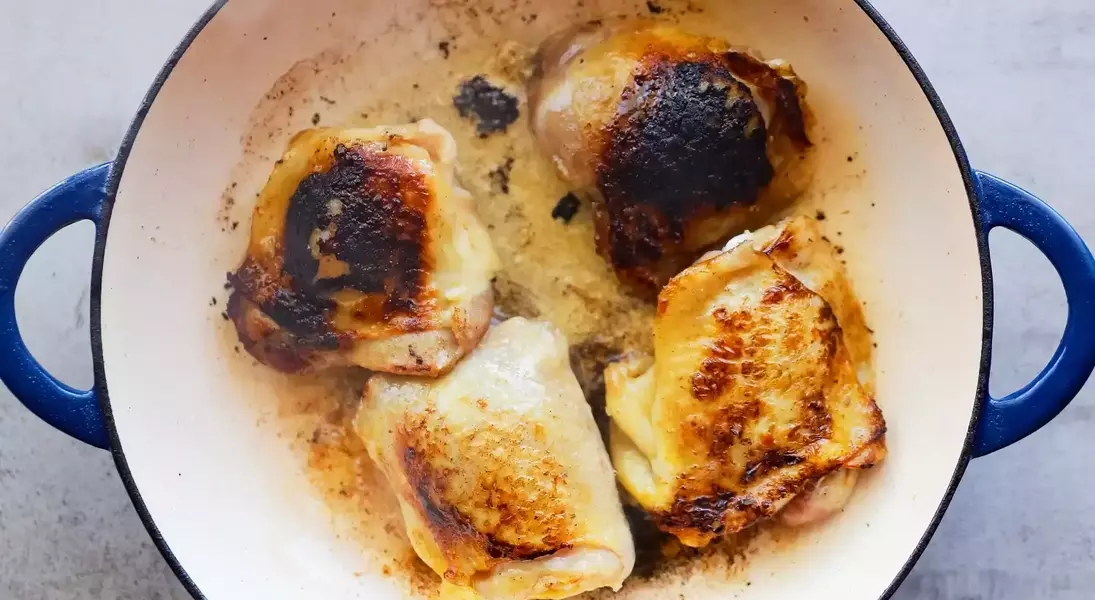
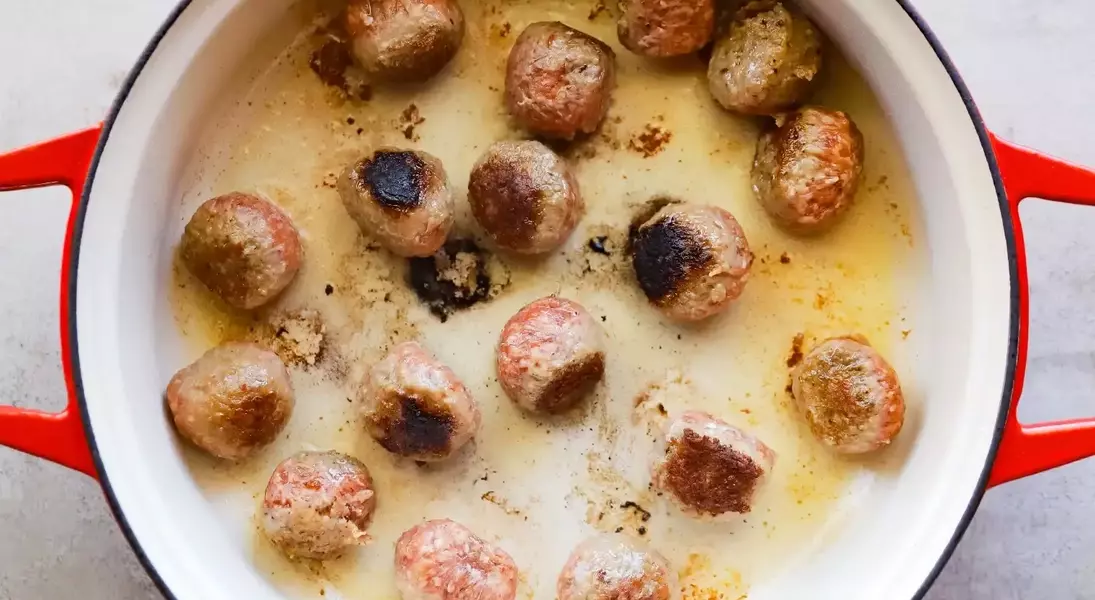
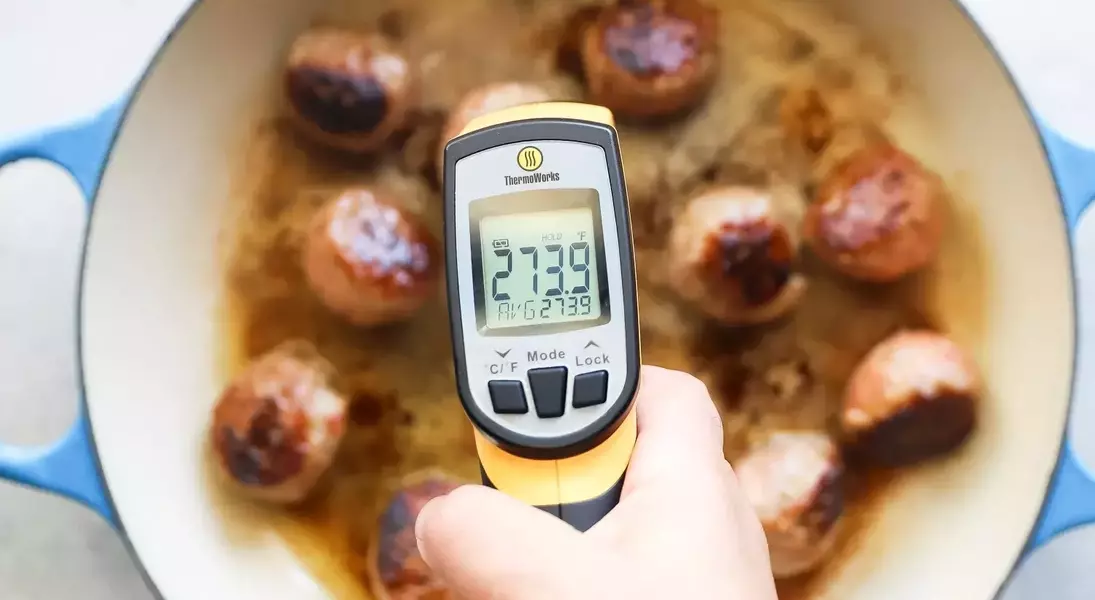
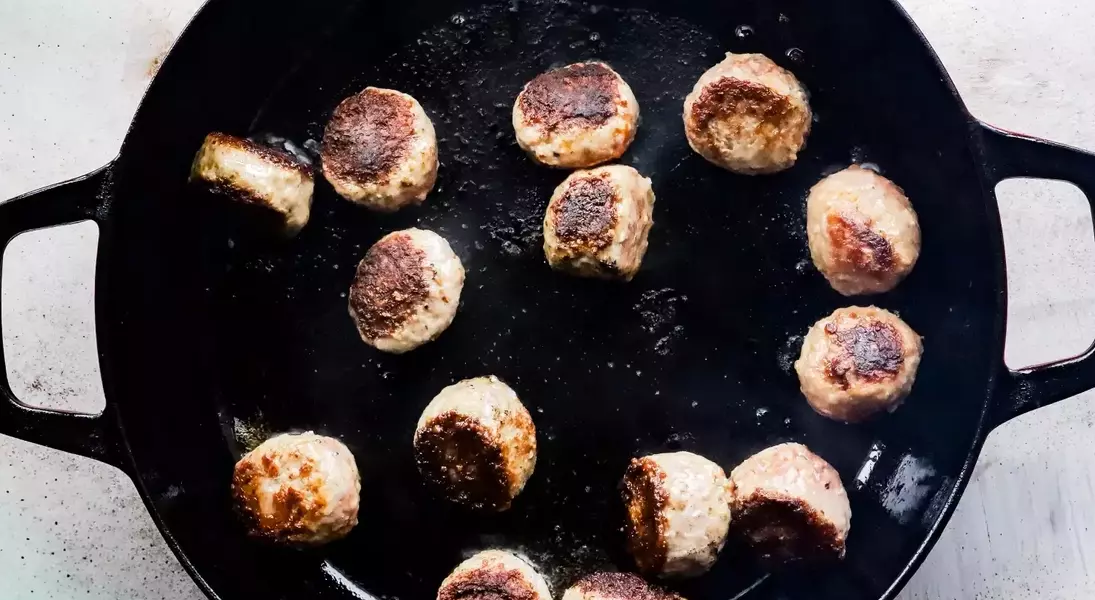
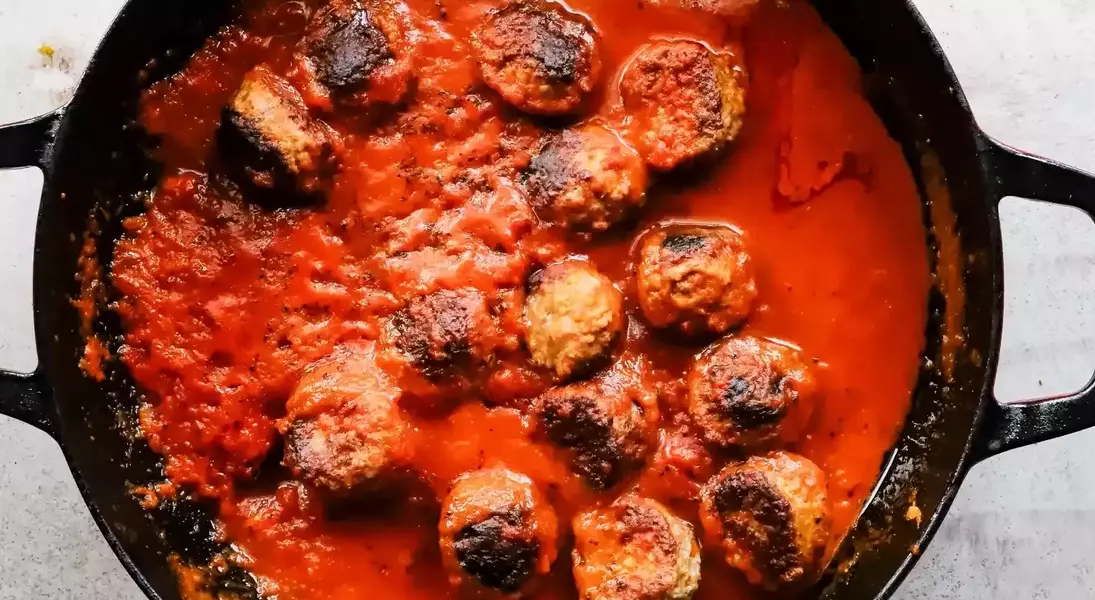
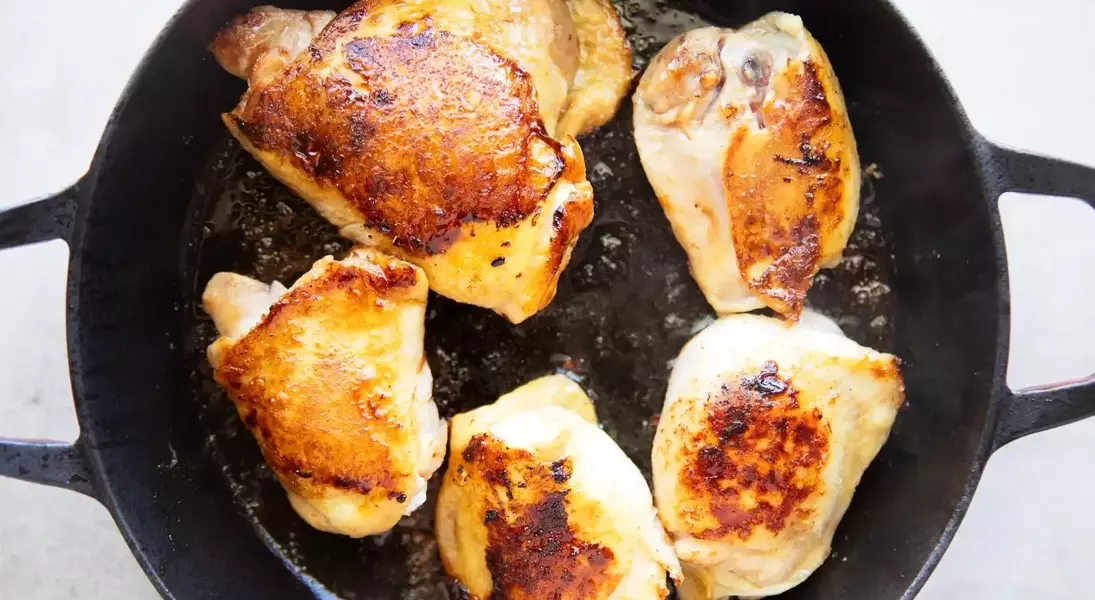
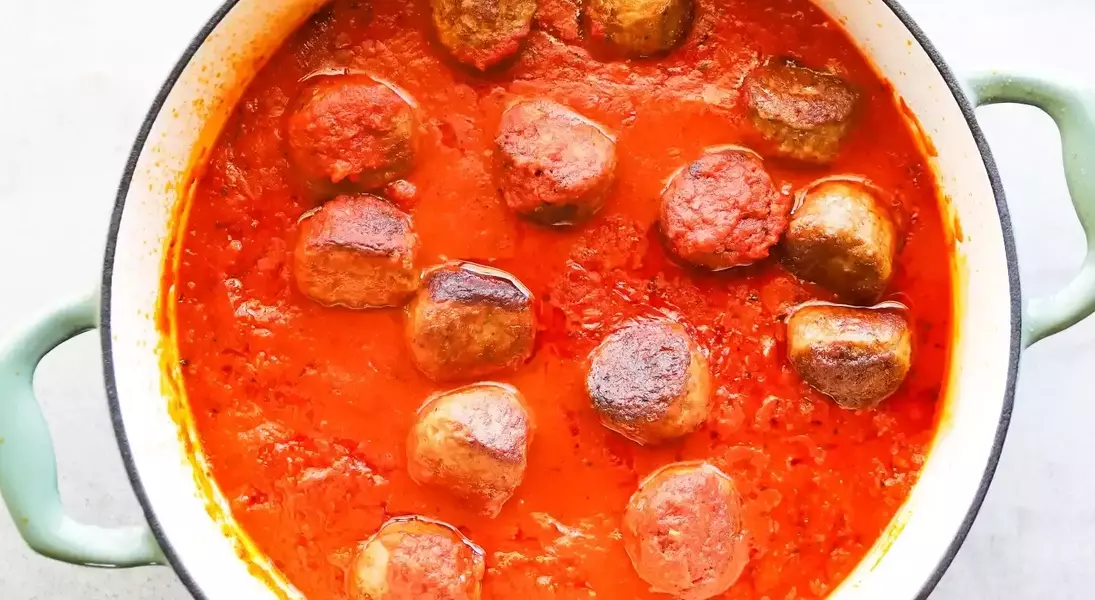
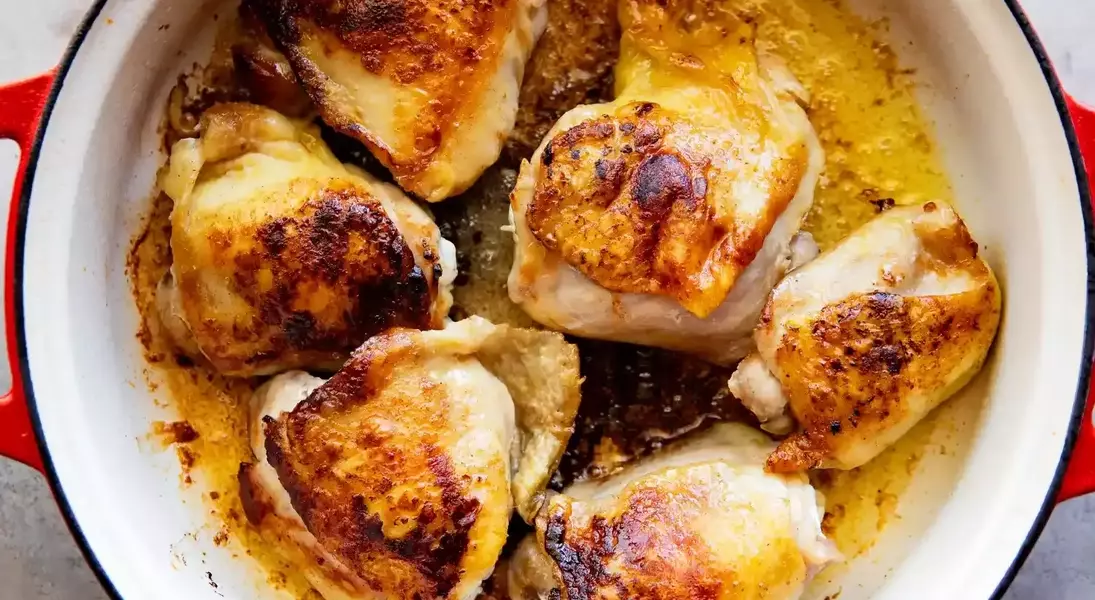
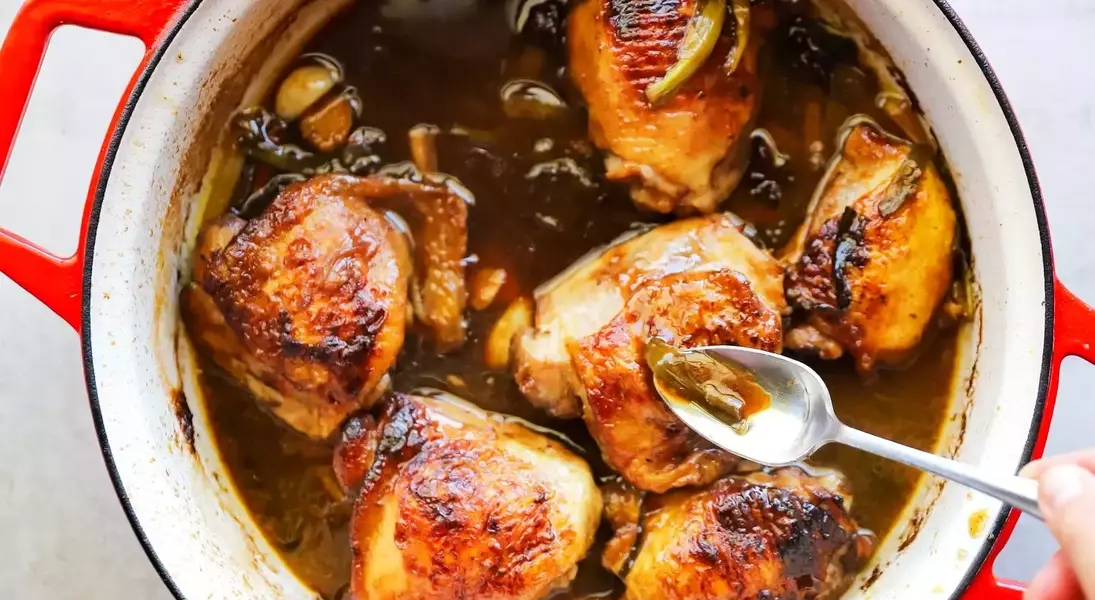
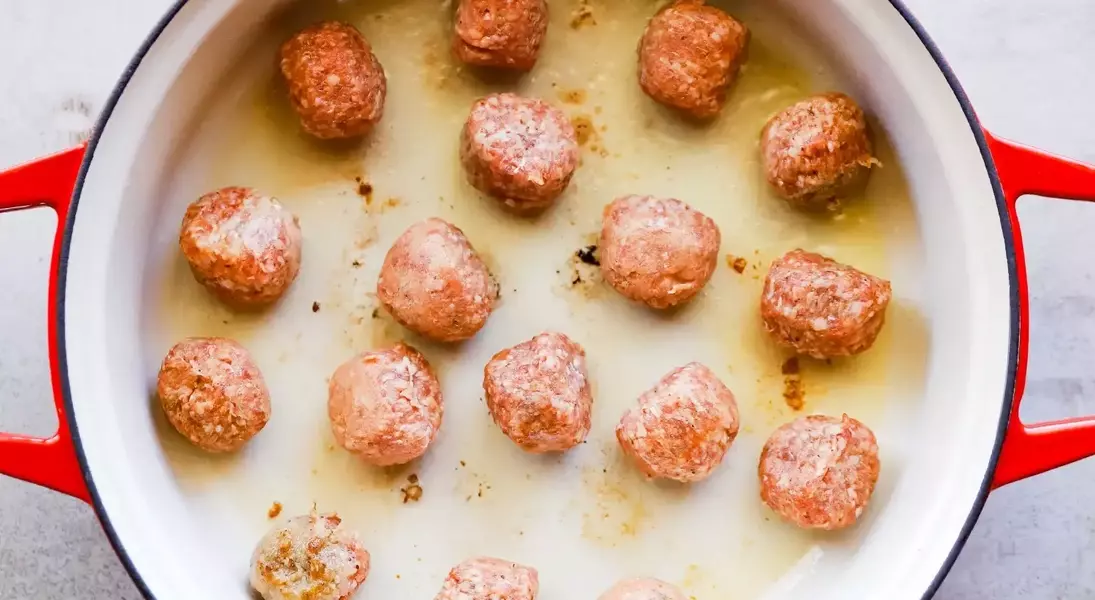
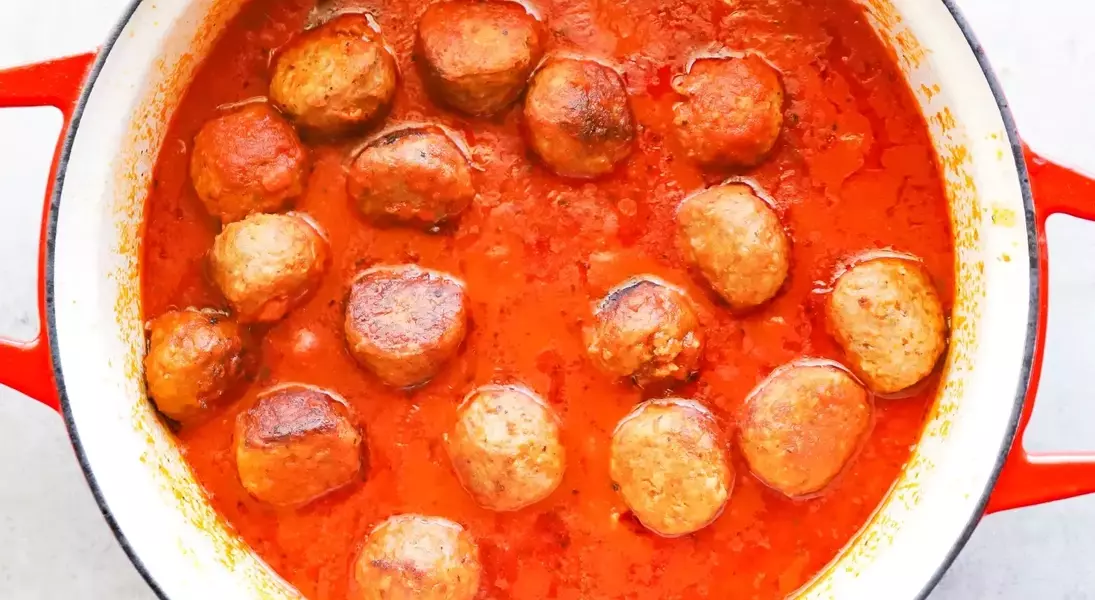
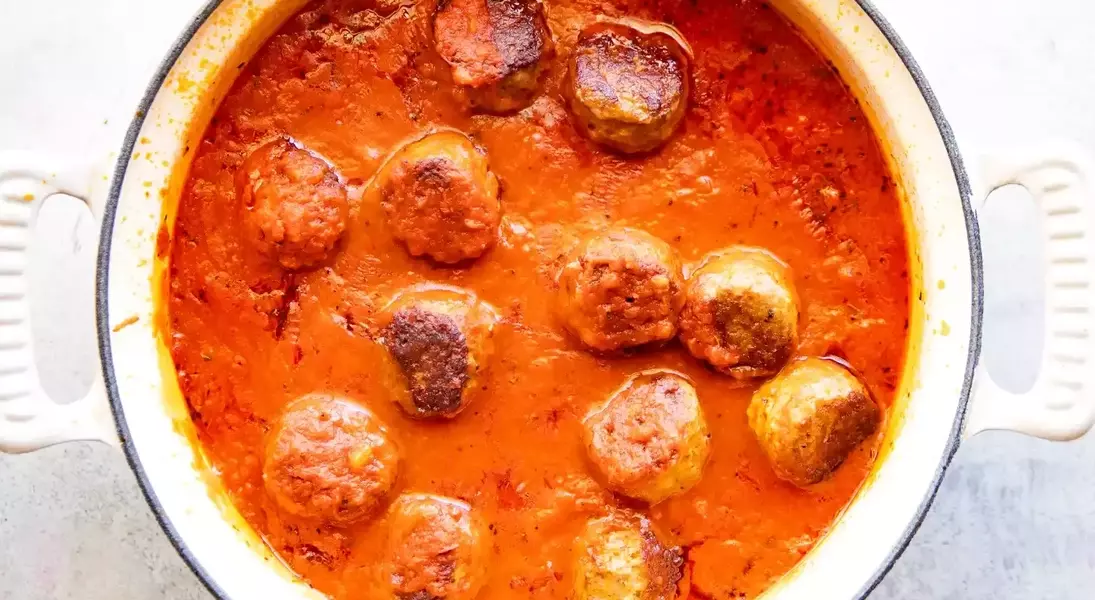
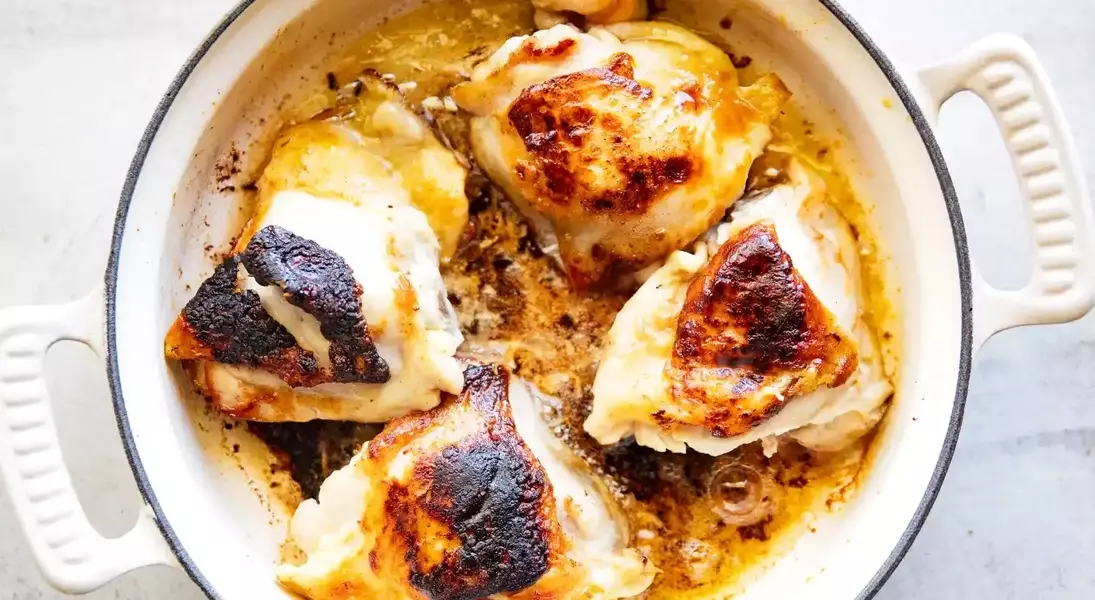
A critical aspect of braiser performance is its ability to conduct and retain heat uniformly. Through rigorous searing tests, where various pans were preheated and monitored for temperature consistency, it became evident that certain models maintained stable temperatures across their entire surface, crucial for even browning. Further evaluation involved braising chicken thighs and meatballs, assessing how each pan handled longer cooking times and sticky ingredients, as well as its maneuverability and comfort in handling, especially when full and hot.
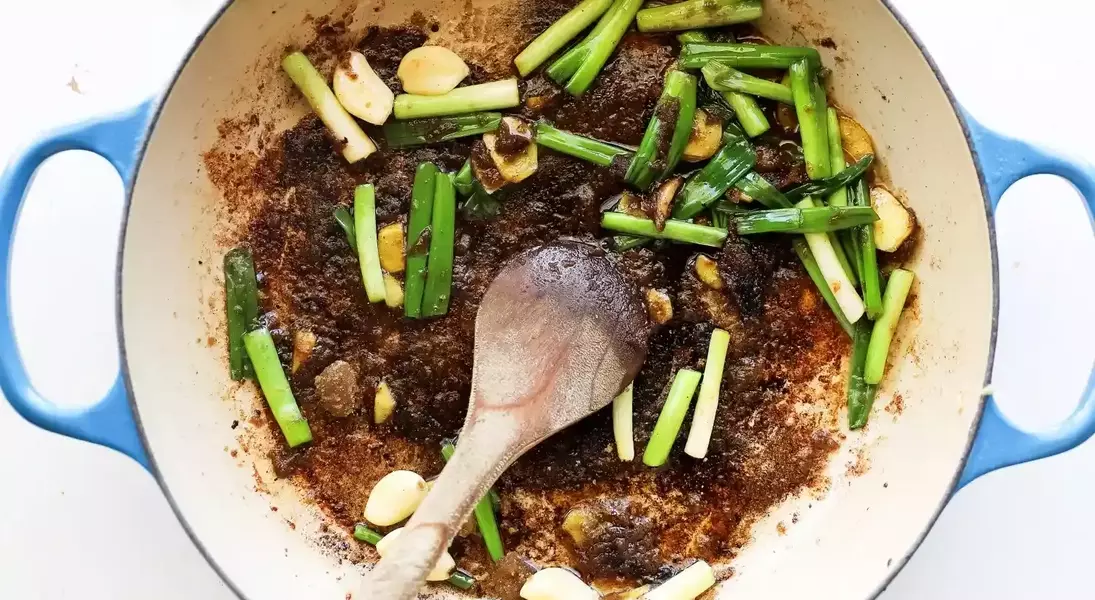
Durability was another key metric, with each braiser subjected to physical stress to gauge the resilience of its enamel coating against chipping and cracking. Post-cooking cleanup tests, conducted after a two-hour resting period, provided insights into ease of cleaning and resistance to staining. These comprehensive evaluations highlighted that while many braisers share a common material—enameled cast iron—their performance significantly varies based on design nuances such as internal shape, surface area, and overall weight distribution.
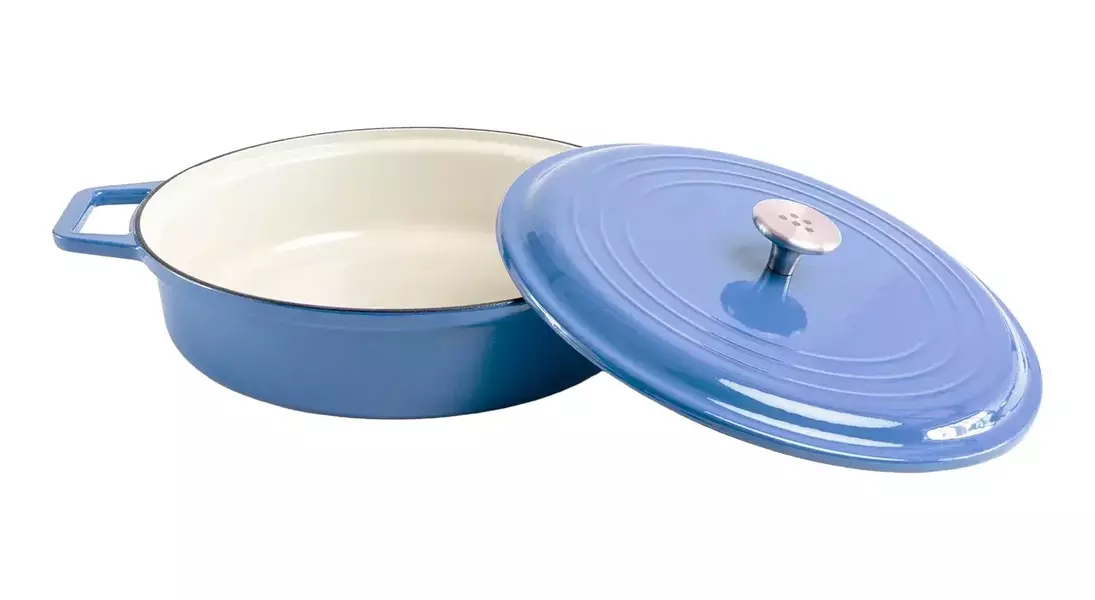
The distinction between a braiser and a Dutch oven, though both enameled cast iron, lies in their dimensions. Braisers feature a wider, shallower profile, which is optimal for browning and allows liquids to evaporate more quickly, concentrating flavors into a rich sauce. Dutch ovens, with their deeper design, are better suited for larger volumes of liquid and less evaporation. The interior angle of a braiser's walls plays a crucial role; straighter sides, like those found in the Misen model, provide a larger usable cooking surface, enhancing searing efficiency and accelerating sauce reduction.
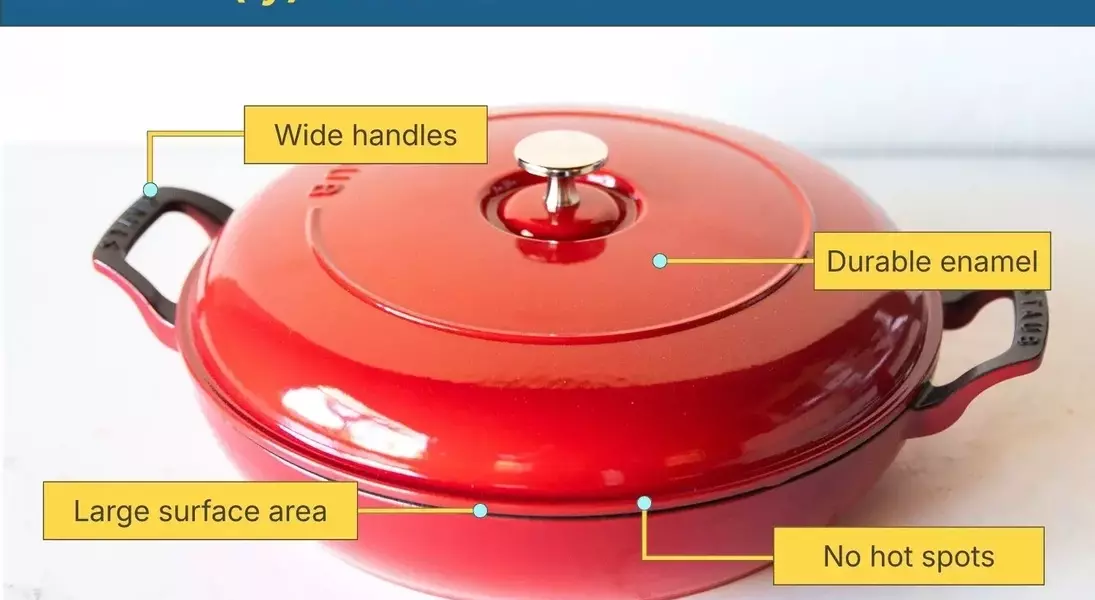
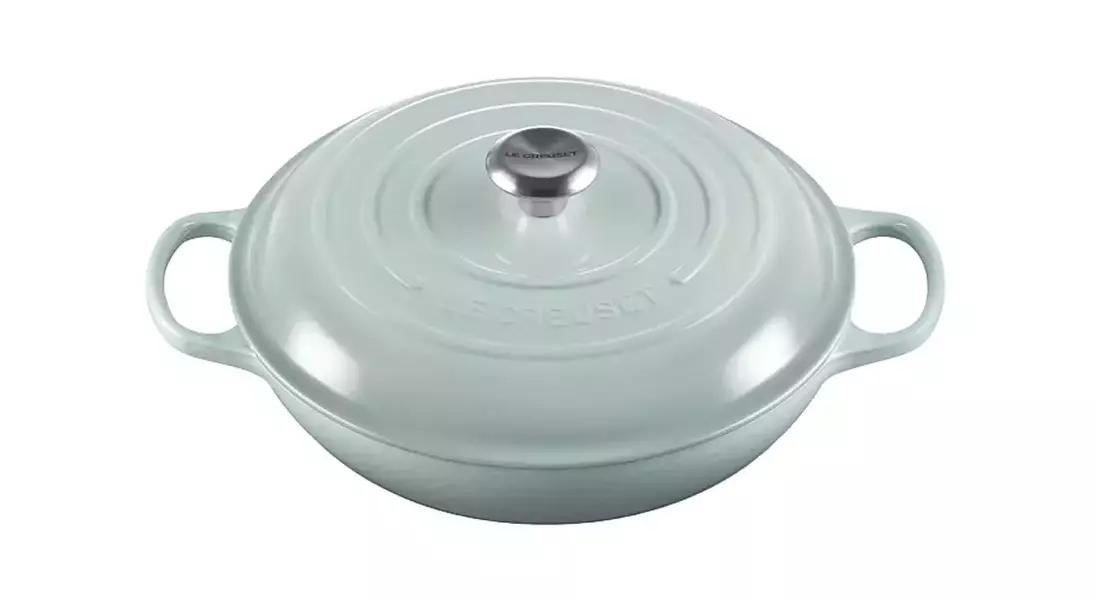
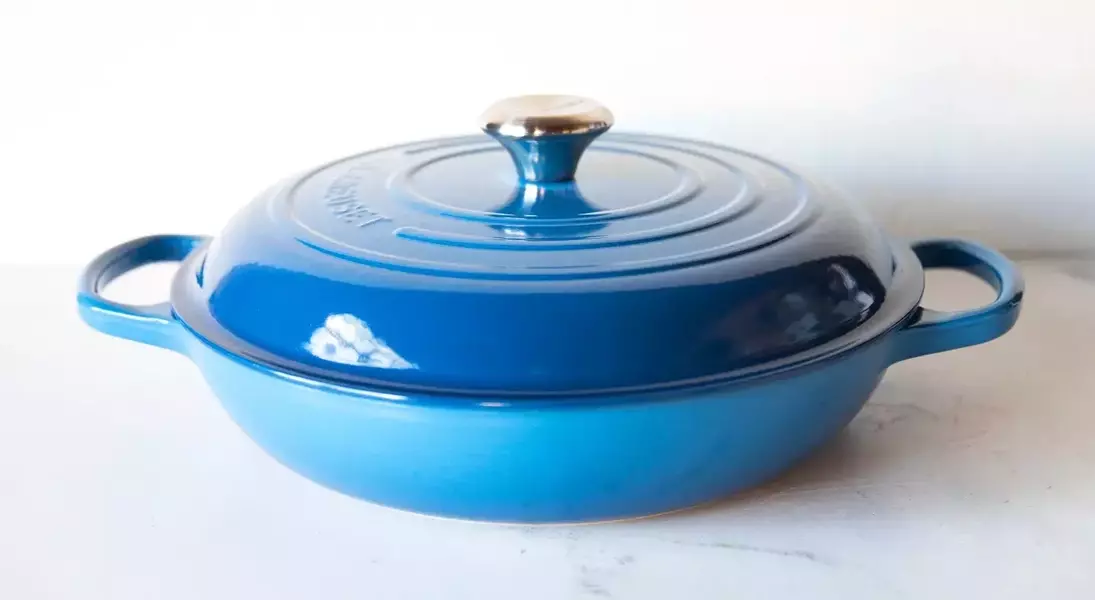
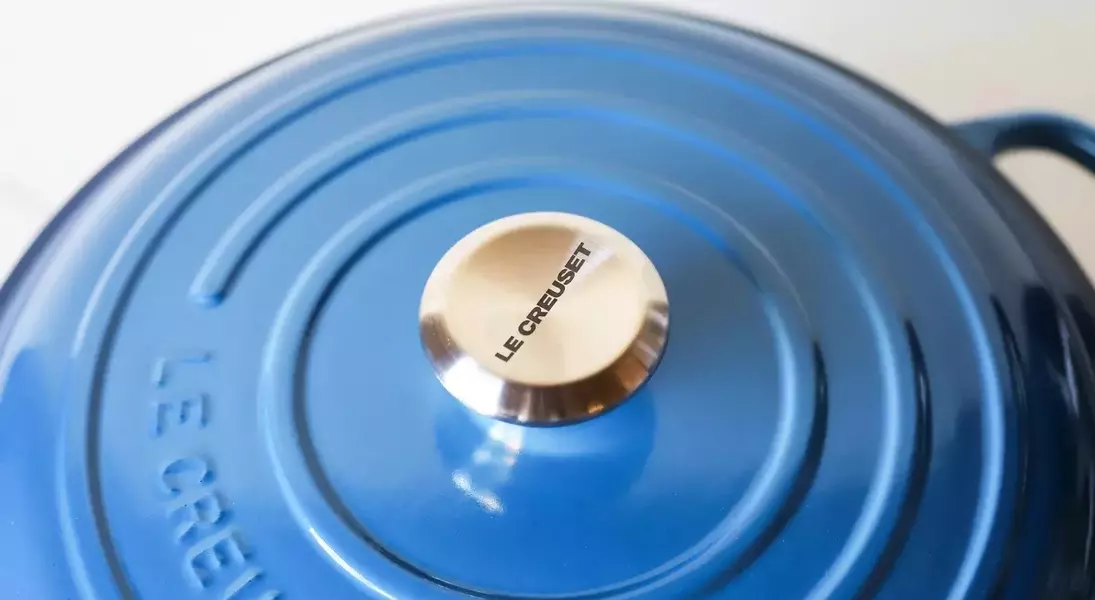
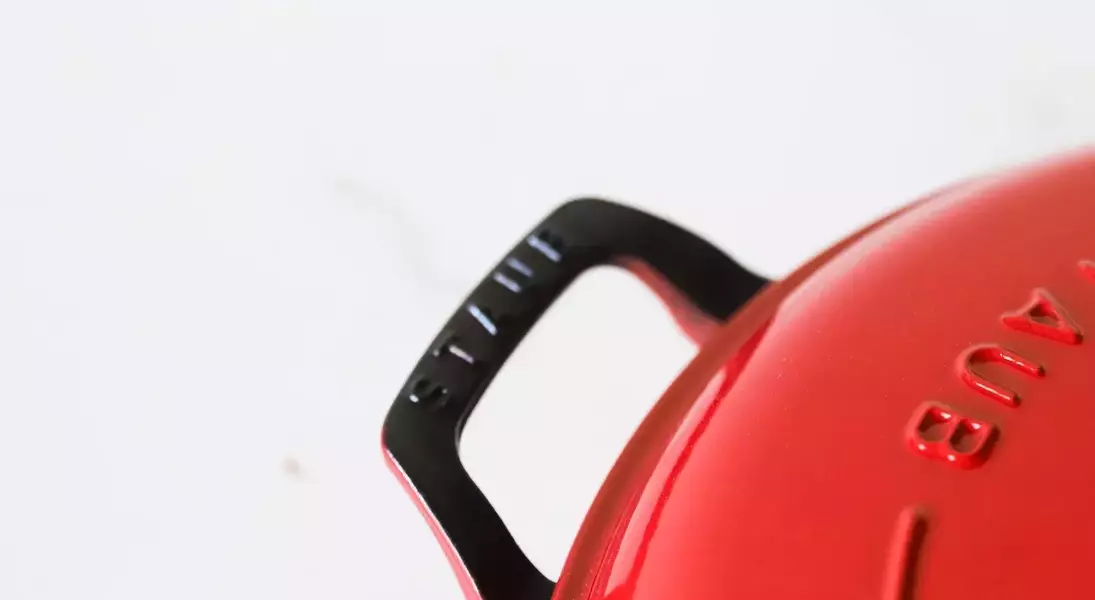
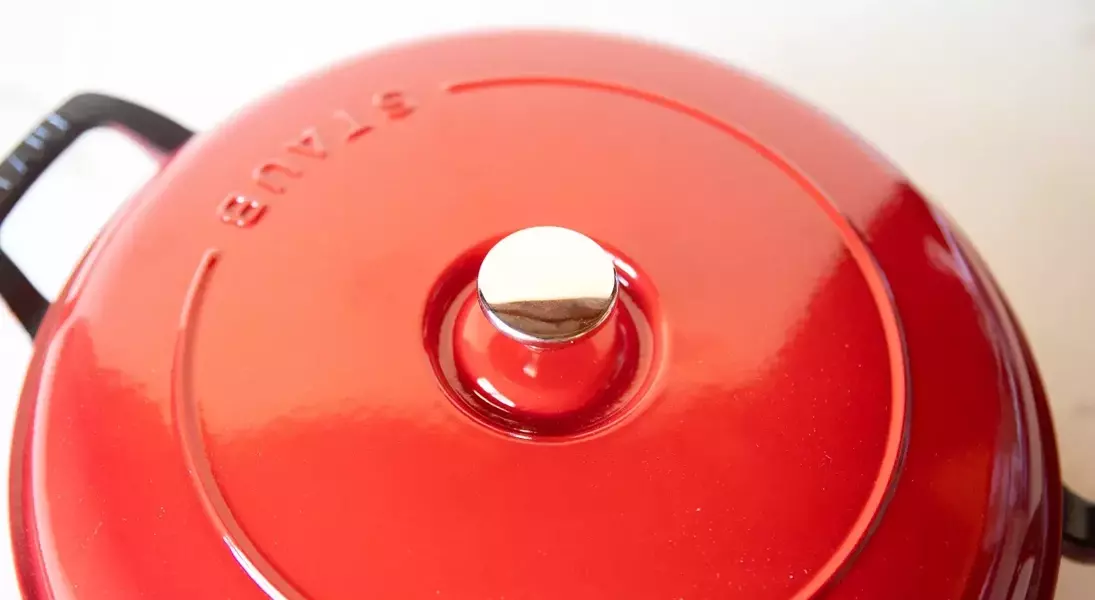
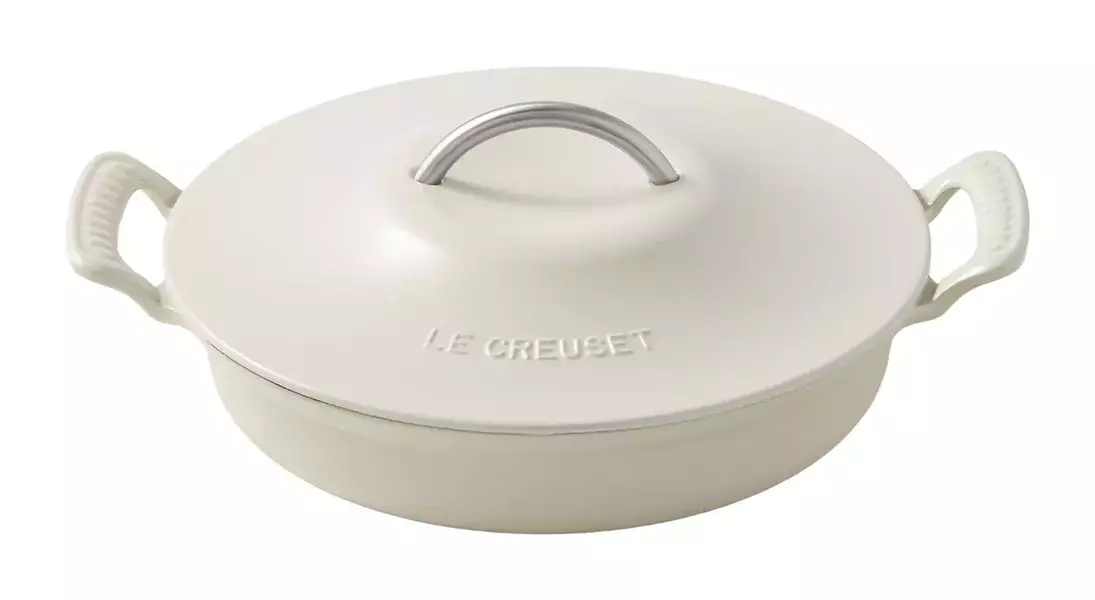
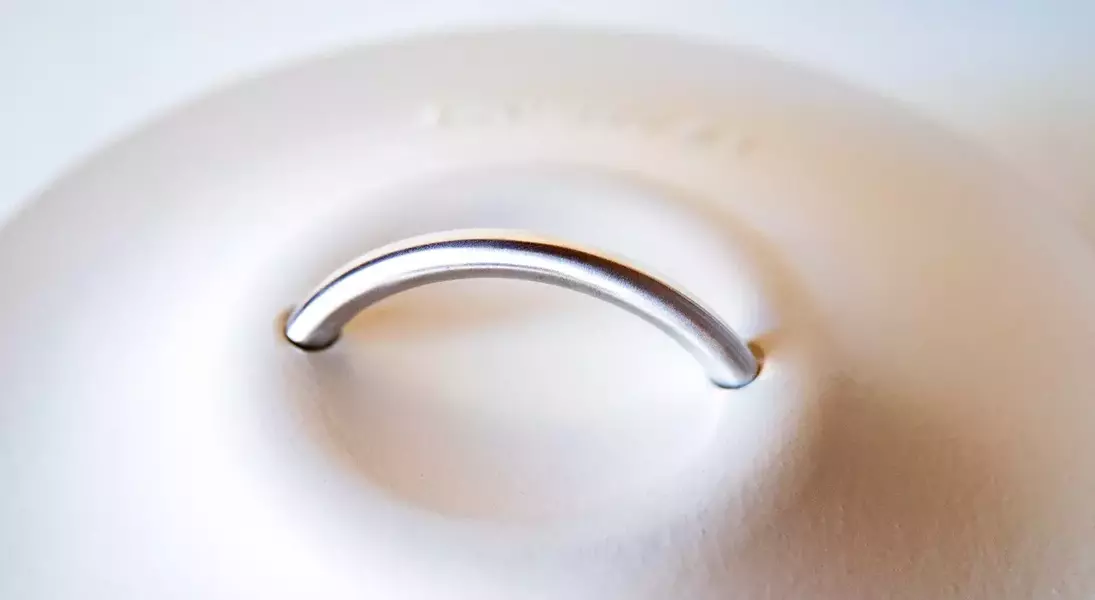
Contrary to popular belief, heavier braisers do not always translate to better performance or usability. While increased weight can improve heat retention, it often comes at the cost of maneuverability. The most effective braisers strike a balance between substantial weight for heat retention and an ergonomic design—featuring wide, comfortable handles and secure lid knobs—that ensures safety and ease of use in a busy kitchen environment. The Le Creuset and Staub models exemplify this balance, offering robust construction without being unwieldy.
Ultimately, the selection of a braiser hinges on its ability to consistently deliver even heating, provide ample cooking space, and withstand the rigors of frequent use without compromising its aesthetic or functional integrity. The top performers demonstrate exceptional enamel durability, resisting chipping and staining even under demanding conditions. Handles that offer a secure, comfortable grip are paramount for safe transfer from stovetop to oven to table. These criteria underscore that a high-quality braiser is not merely a cooking vessel but a strategic investment for any enthusiast of slow-cooked, flavorful meals.
Insights from the Culinary Evaluation: Braisers Beyond the Basics
The rigorous evaluation of braisers revealed that while renowned brands like Le Creuset set the industry benchmark with their superior enamel and even heat distribution, more responsive models such as Staub also excel in rapid heating and robust damage resistance. Even budget-friendly options like Tramontina demonstrated commendable performance in searing and heat retention, though at the expense of enamel durability. For those requiring a larger capacity, the Misen braiser offered an expansive cooking surface, proving ideal for batch cooking despite its considerable weight. Additionally, the Le Creuset Modern Heritage braiser stood out for its blend of retro aesthetics and practical performance, balancing a lighter design with efficient heat transfer.
Reflections on Culinary Tools: More Than Just Cookware
This comprehensive exploration of braisers underscores the profound impact that specialized kitchen tools can have on culinary outcomes. It’s not simply about owning a pot, but about understanding how design intricacies—from surface area to handle ergonomics—translate into enhanced flavor, efficiency, and overall cooking enjoyment. For home cooks and professionals alike, investing in a high-quality braiser means elevating everyday meals into extraordinary dining experiences, simplifying complex recipes, and fostering a deeper appreciation for the craft of cooking. The right tool, thoughtfully chosen, truly empowers the chef.