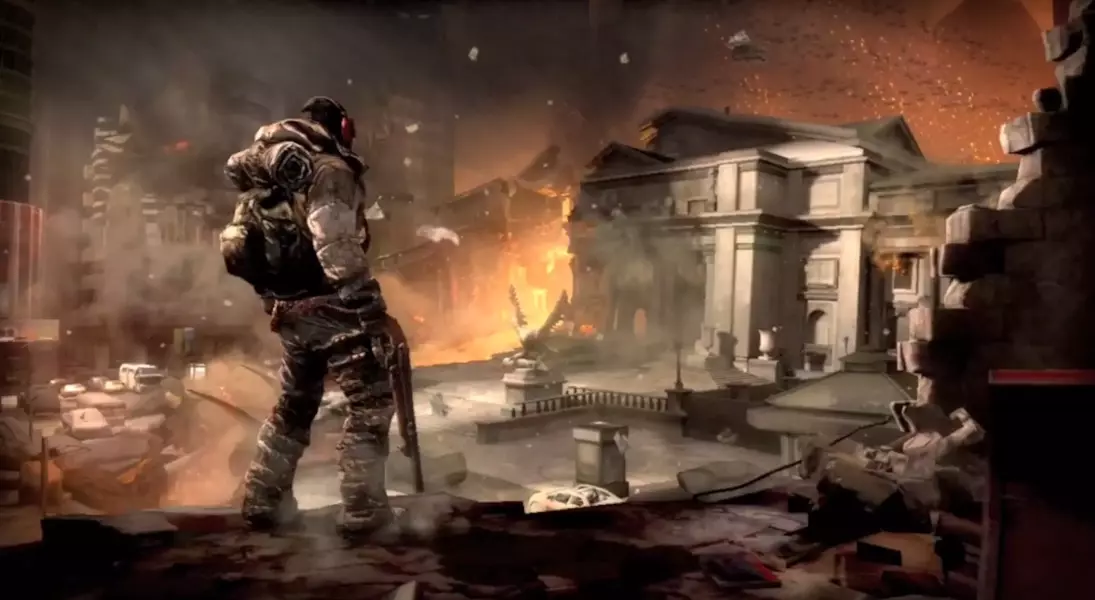
A previously unreleased iteration of the iconic 'Doom' franchise, developed between 2008 and 2011, held considerable promise despite its eventual discontinuation. This project, often referred to as 'Doom 4,' was designed to follow contemporary first-person shooter trends, diverging significantly from the series' established fast-paced, demon-slaying roots. According to Dustin Land, a former principal programmer at id Software, the game was far from a failure; he described it as an inherently fun experience, akin to playing a 'Call of Duty' title but with demonic adversaries. The primary challenge, however, was its fundamental departure from what was perceived as the true essence of 'Doom,' leading to a critical identity crisis that ultimately sealed its fate.
Despite its cancellation, the game's inherent quality suggested it could have thrived as an entirely new intellectual property, distinct from the 'Doom' universe. This pivotal decision to scrap 'Doom 4' initiated an intensive period of introspection for id Software, as developers grappled with redefining the franchise's future. This rigorous re-evaluation culminated in the groundbreaking 2016 'Doom' reboot, which introduced its signature 'push-forward combat' mechanics. This innovative approach not only revitalized the series but also significantly influenced the design philosophy of modern first-person shooters, demonstrating how a creative redirection can lead to industry-shaping innovation.
The narrative of 'Doom 4' underscores the dynamic and often challenging nature of game development, where creative vision must sometimes adapt or be entirely reimagined to meet audience expectations and brand identity. Even amidst recent shifts within the industry, including workforce reductions at established studios like id Software, the spirit of innovation persists. Former developers, driven by passion and expertise, continue to forge new paths, exemplified by the formation of independent studios like Hidden Horses. This ongoing evolution highlights the resilience and creativity inherent in the gaming community, constantly pushing boundaries and crafting new interactive experiences for players worldwide.
