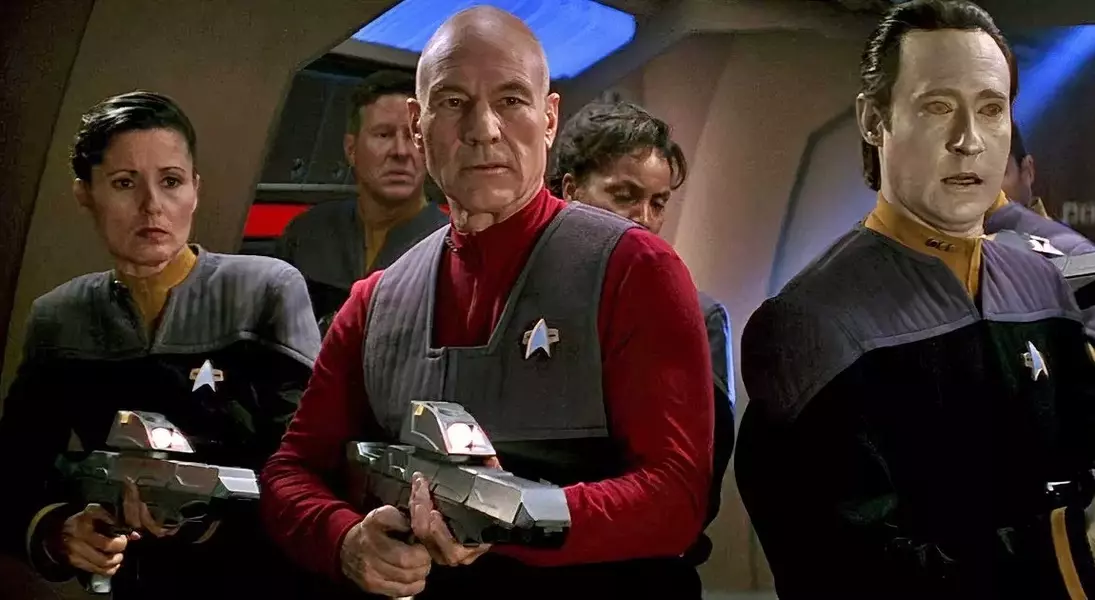
Transforming a beloved television series into a successful feature film is a monumental task, frequently complicated by the need to balance expanded spectacle with the foundational elements that captivated audiences; yet, the 1996 cinematic release of "Star Trek: First Contact" skillfully navigated these challenges, delivering an exceptional narrative that resonated deeply with viewers. This acclaimed motion picture plunges the Starfleet crew, led by Captain Jean-Luc Picard, into a critical mission back to the year 2063, aiming to prevent the relentless Borg from altering humanity's destiny by sabotaging its inaugural encounter with an extraterrestrial civilization. The film masterfully demonstrates that an elevated production scale can indeed enhance a story, provided it never overshadows the intricate development and emotional core of its cherished characters.
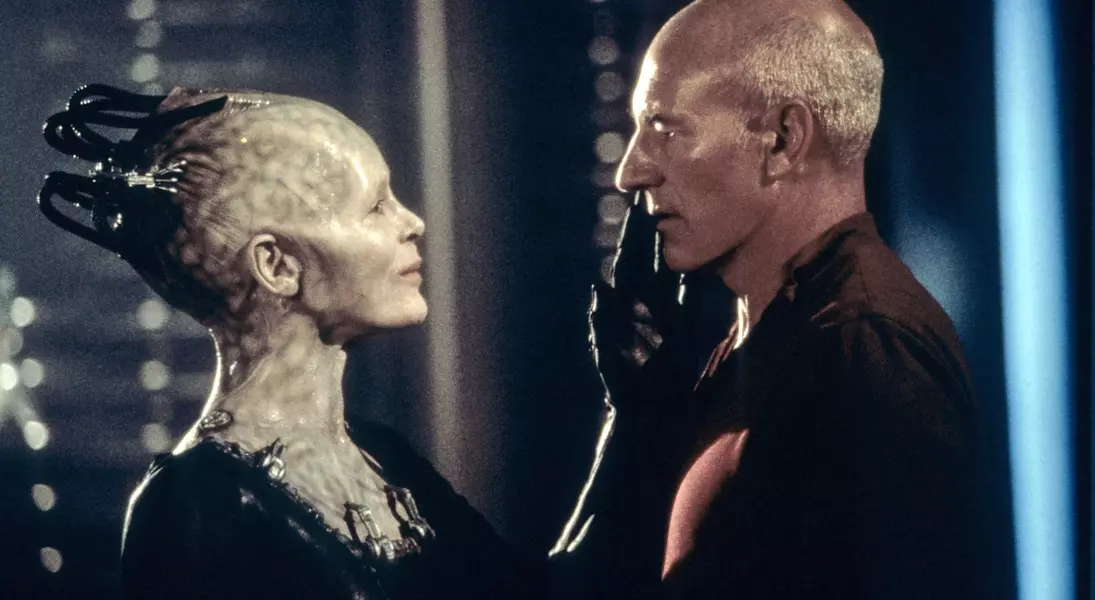
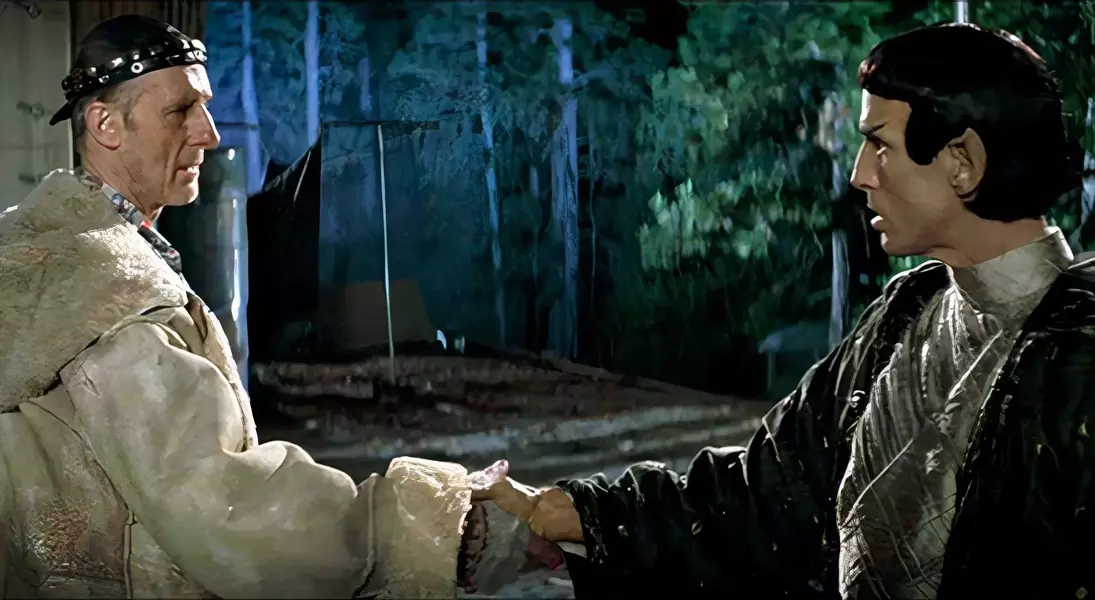
The storyline powerfully delves into the profound psychological impact of the Borg on Captain Picard, revealing how his past trauma fuels an intense, almost personal vendetta against his former captors, pushing him to the brink of his command principles. This internal conflict is brilliantly showcased through heated exchanges, particularly with Worf, and the pivotal intervention of Lily Sloane, who acts as a moral compass, compelling Picard to confront his own shadowed motivations. Simultaneously, the narrative introduces a refreshingly grounded depiction of Zefram Cochrane, the pivotal figure in humanity's first warp-speed journey, portraying him not as an unblemished legend but as a flawed, relatable individual whose extraordinary achievement stems from surprisingly ordinary desires. Furthermore, the android Data faces a compelling test of his burgeoning humanity when confronted by the seductive allure of the Borg Queen, exploring themes of identity and aspiration.
Under the adept direction of Jonathan Frakes, who made his feature film debut, the movie expertly interweaves these distinct plot threads—the intense struggle against the Borg, the humorous and poignant interactions with Cochrane, and Data's philosophical journey—without losing narrative cohesion or pacing. Frakes' profound understanding of the Star Trek universe, honed from his experience within the series, allowed him to craft a film that feels both grand in scope and intimately personal, pushing the boundaries of what a "Next Generation" story could be while retaining its essential spirit. Decades after its premiere, this cinematic achievement continues to be celebrated as a definitive entry in the franchise, solidifying its place as the unparalleled zenith among "The Next Generation" films.
Ultimately, this compelling saga serves as a timeless reminder that true heroism often emerges from confronting one's deepest fears and imperfections. It highlights the collective strength found in unity, the unexpected sources of greatness in ordinary people, and the enduring human spirit that seeks discovery and connection even in the face of overwhelming adversity. The narrative inspires us to look beyond initial appearances, to value the complex journey of self-discovery, and to believe in humanity's potential for both intellectual advancement and profound moral fortitude.
