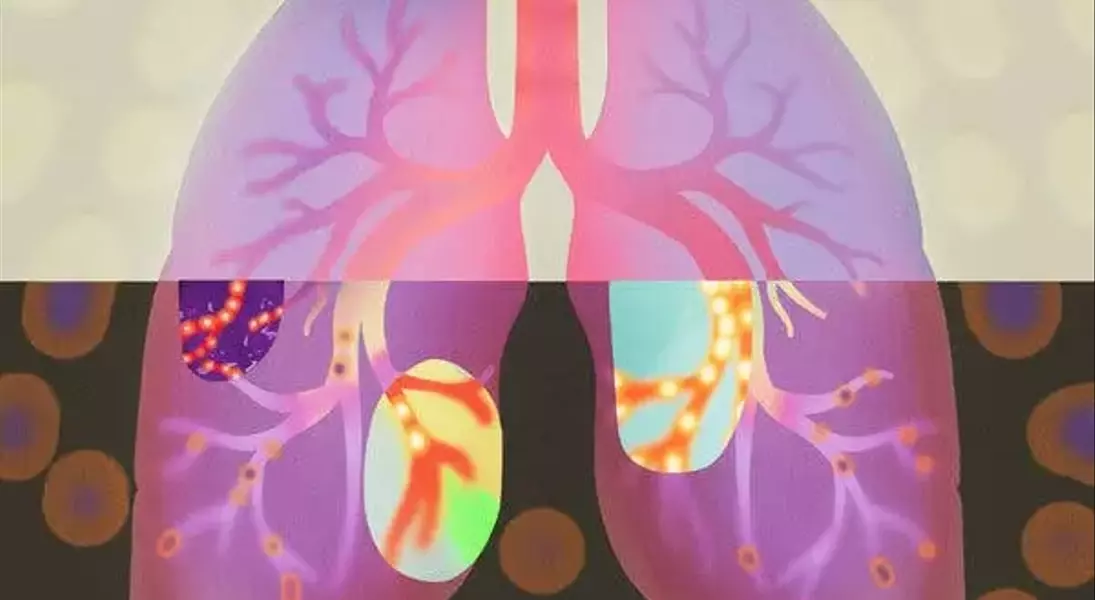
Scientists are now gaining a deeper understanding of the lingering effects that Covid-19 can have on the human body, even after the initial infection appears to be over. In the five years since the World Health Organization declared the pandemic, researchers have uncovered how this virus can cause long-lasting changes in various parts of the body. The immediate dangers of the virus were evident early on, particularly for individuals with pre-existing conditions such as diabetes and heart disease. However, it has taken extensive research to unravel the mystery behind the persistent symptoms that some people experience.
One of the most recognized consequences is what has come to be known as "long Covid," characterized by ongoing issues like chronic fatigue and cognitive difficulties. Estimates suggest that approximately 400 million people globally have been affected by some form of long-term symptoms following a Covid-19 infection. Yet, the virus's impact extends beyond these well-documented cases. It can also lead to less visible but equally significant health challenges, including damage to vital organs like the lungs and heart, as well as alterations in gut microbiota. These changes may not always fall under the umbrella of long Covid but can still profoundly affect an individual's overall health.
The emerging insights into the mechanisms driving these lasting effects highlight the role of inflammation. While inflammation typically subsides once the virus is cleared from the body, for some individuals, it can persist or flare up excessively, causing widespread harm. Experts, such as Dr. Braden Kuo from Massachusetts General Hospital, emphasize that prolonged or intense inflammation can wreak havoc on the body, leading to a range of health issues. Understanding these processes is crucial for developing better treatments and improving patient outcomes. This knowledge underscores the importance of continued research and vigilance in addressing the long-term impacts of this global health crisis.
