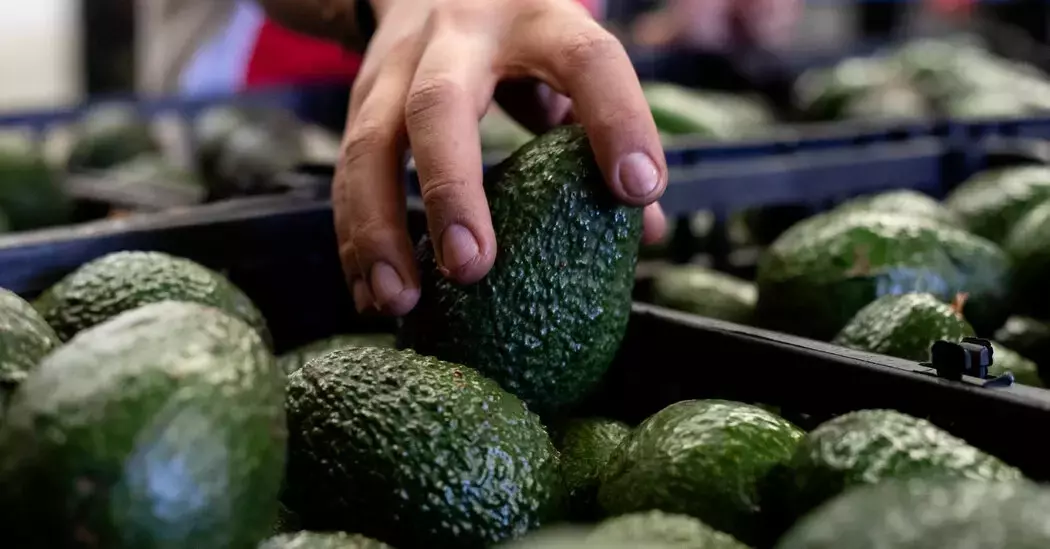
In a remarkable journey spanning millennia, the humble avocado has transformed from a wild fruit into a beloved superfood. New research reveals that ancient inhabitants of Latin America played a crucial role in this transformation. Over 10,000 years ago, people in what is now Honduras began incorporating avocados into their diets and later, more than 7,500 years ago, they started selectively cultivating these fruits. This early domestication occurred long before crops like maize were cultivated, showcasing the sophisticated agricultural practices of ancient civilizations. The avocados we enjoy today are a testament to the ingenuity and perseverance of these early cultivators who not only saved the fruit from extinction but also enhanced its taste and nutritional value.
The Ancient Roots of Avocado Cultivation
In the heart of Central America, during an era when massive creatures roamed the land, avocados first emerged in central Mexico around 400,000 years ago. These large-fruited plants relied on megafauna such as giant ground sloths and elephant-like gompotheres for seed dispersal. By the end of the Pleistocene epoch, about 13,000 years ago, these animals had spread avocados throughout Central and northern South America, leading to the diversification of at least three distinct species. However, with the mass extinction of megafauna, avocados faced a significant challenge: without these large animals to consume and disperse the seeds, their range began to shrink. It was at this critical juncture that humans intervened. In what is now Honduras, ancient peoples adopted avocados as a food source and began managing wild trees, eventually transitioning to selective planting to produce larger and more robust fruits. This early form of agriculture predates many well-known crops and highlights the innovative spirit of these early communities.
From a journalist's perspective, this study underscores the profound impact humans have had on shaping the natural world. It reminds us that our relationship with nature is not just one of consumption but also of stewardship. The story of the avocado teaches us the importance of preserving biodiversity and adapting to changing environments. As we face modern challenges like climate change and habitat loss, the lessons from our ancestors can inspire us to find sustainable solutions for the future.
