Italian football, particularly Serie A, consistently defies easy explanation, much like a surreal film. This league thrives on a blend of beauty and absurdity, where the main competitive narratives often take a backseat to a series of elaborate and often bewildering events. The recent summer exemplified this perfectly, with a multitude of dramatic storylines unfolding across the league, solidifying its reputation as Europe's most captivatingly unpredictable footballing theater.
This past off-season has been a whirlwind of bizarre incidents and unexpected turns, from the financial controversies that have plagued clubs like Lazio to miraculous escapes from relegation and the continued coaching merry-go-round. While the financial might of other European leagues, especially the Premier League, casts a long shadow, Serie A has managed to hold onto many of its rising stars and seasoned talents. The shifting landscape of club ownership, with a growing number of foreign investors, appears to be ushering in a new era of financial stability, even amidst the league's characteristic on-field volatility. This unique environment ensures that Serie A remains a compelling and endlessly fascinating spectacle, always keeping fans on the edge of their seats with its inherent unpredictability.
Summer's Surreal Saga: Financial Woes, Falconers, and Footballing Fortunes
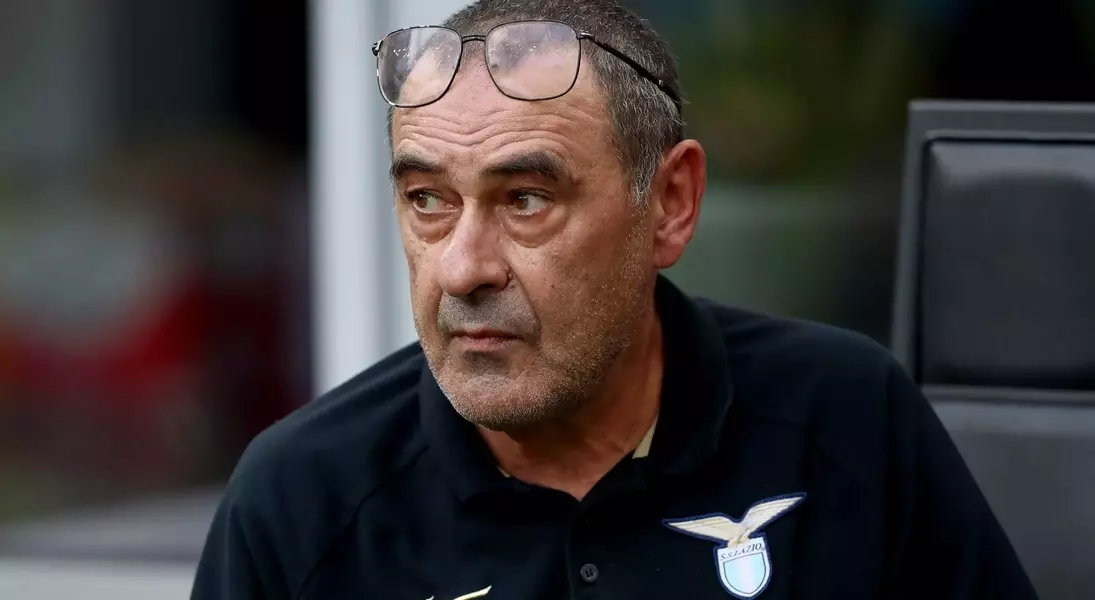
The recent off-season in Serie A unfolded like a surreal drama, marked by a series of bewildering events that underscored the league's unique character. Lazio found itself entangled in a transfer embargo due to liquidity issues, a situation that caught even their re-hired coach, Maurizio Sarri, by surprise, leading to candid and amusing exchanges. Beyond financial hurdles, the club was also in the news for the bizarre saga of its former falconer, who was dismissed after an unconventional social media post, further highlighting the league's penchant for the extraordinary. Meanwhile, Sampdoria experienced a dramatic reversal of fortune, initially relegated to Serie C only to be reinstated following the collapse of another club, Brescia. This tumultuous period culminated in a chaotic two-legged survival playoff against Salernitana, marred by player illness and fan unrest, vividly illustrating the madness that often permeates Italian football.
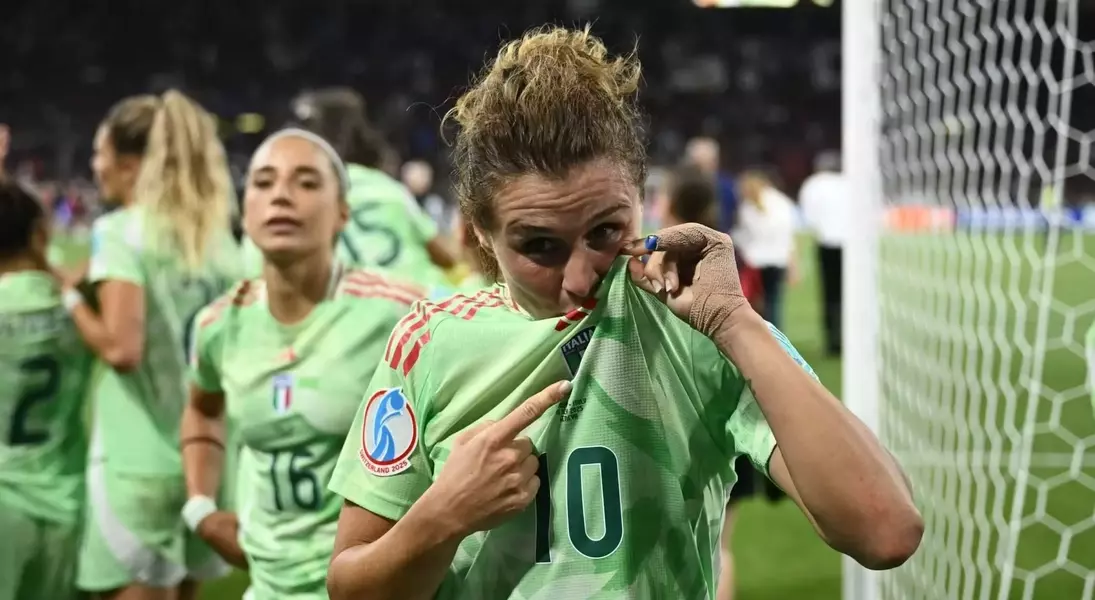
The summer's peculiarities extended beyond club-specific incidents. Andrea Stramaccioni, a prominent DAZN commentator, made headlines for saving swimmers at sea, an unexpected act that momentarily diverted attention from the footballing world. The future of national team captain Gigi Donnarumma became uncertain as contract talks stalled with Paris Saint-Germain, leaving his next move a mystery. The fate of San Siro, the iconic stadium, also hangs in the balance amidst urban planning investigations in Milan, raising questions about its future as a major sporting venue. Even as the Italian national team grapples with qualifying struggles and a coaching change, the underlying passion for football remains undimmed, fueled by the league's competitive nature, with four different champions in six years, and the inspiring success of the women's national team.
A League of Contrasts: Youthful Talent Meets Veteran Presence
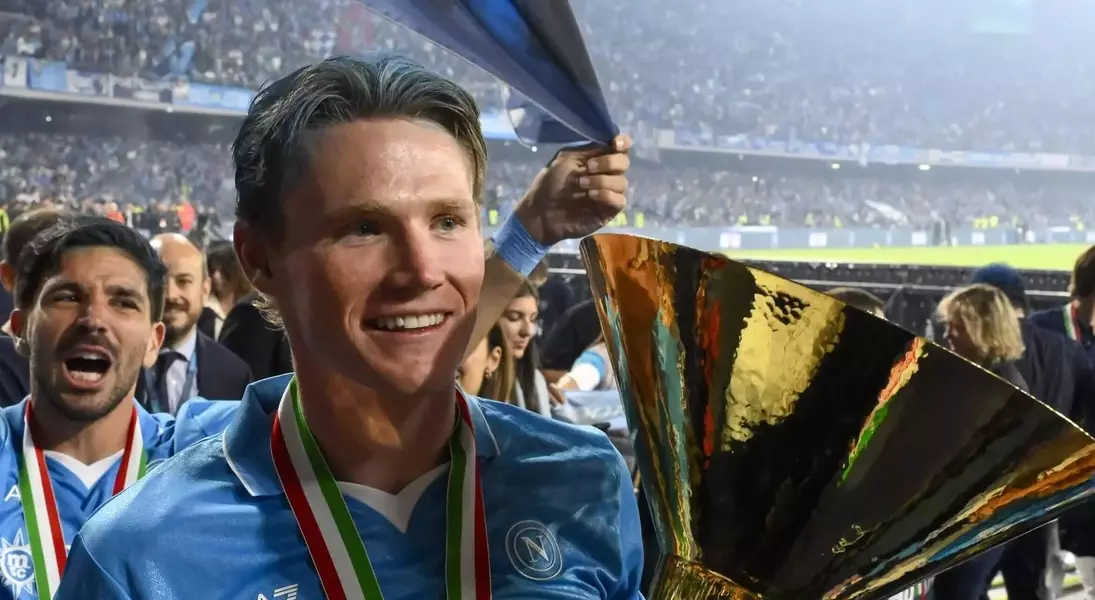
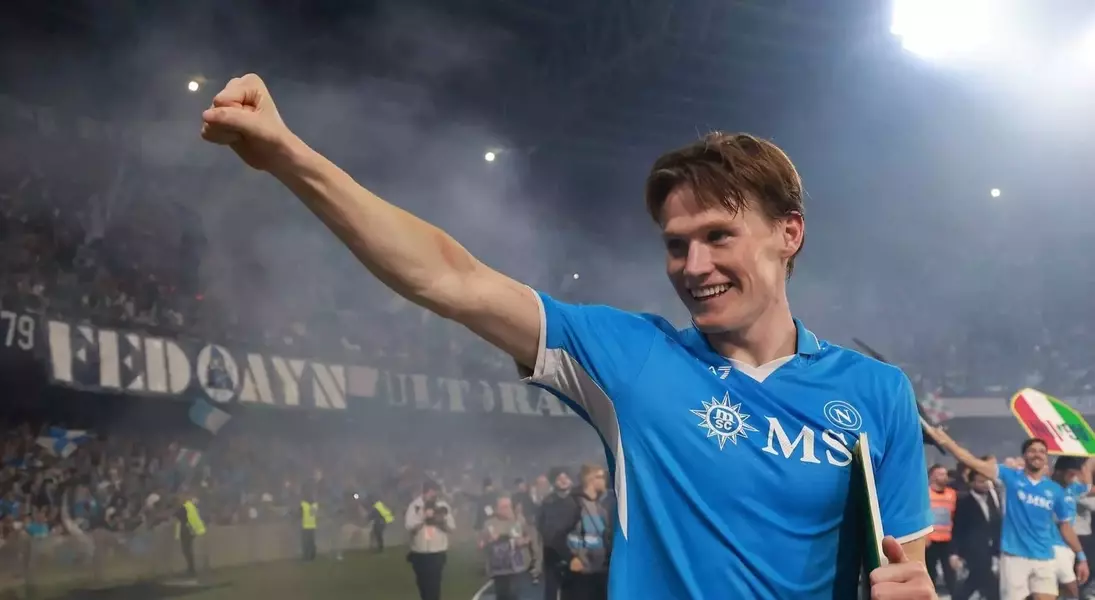
Despite the often chaotic backdrop, Serie A continues to be a hotbed of talent, successfully retaining many of its key players while also attracting new, promising prospects. While some established stars like Mateo Retegui have departed for lucrative opportunities elsewhere, the league has largely managed to keep its MVPs and young talents, such as Scott McTominay, Mile Svilar, Nico Paz, and Kenan Yildiz. This retention is, in part, attributed to the growing influence of foreign ownership, which has injected a measure of financial stability into several clubs. This allows teams to resist the gravitational pull of wealthier leagues, fostering a more sustainable environment for player development and retention, ensuring that the league remains competitive and exciting.
The league's strategic focus on nurturing young talent is evident in its transfer dealings. Despite high-profile veteran signings, the majority of new acquisitions fall within the 20-24 age bracket, signaling a deliberate investment in the future. This youth-centric approach is balanced by the return of experienced, Scudetto-winning coaches and the arrival of seasoned international stars, some nearing the end of their careers, which adds a layer of intrigue and expertise. The league's inherent unpredictability, with no team retaining the title since 2020, underscores its competitive balance and the constant shifting of power. This dynamic, combined with the occasional bizarre incidents that define Italian football, ensures that every season is a fresh and compelling narrative, captivating audiences with its unique blend of flair, drama, and unexpected turns.
