Many perceive fresh vegetables as inherently better than their frozen counterparts. However, this perspective often overlooks the scientific advantages of freezing, which can frequently yield more flavorful and tender results, especially for certain types of produce. Beyond taste and texture, frozen vegetables offer unparalleled convenience, providing a reliable source of nutrition even when your refrigerator is sparsely stocked. The key lies in understanding the freezing process and selecting the right vegetables for this method of preservation. This piece delves into the science behind effective freezing, highlighting how it locks in freshness and prevents spoilage. It also recommends specific vegetables that excel when frozen and offers practical advice on integrating them into your culinary repertoire.
The Surprising Benefits of Frozen Vegetables: A Culinary Revelation
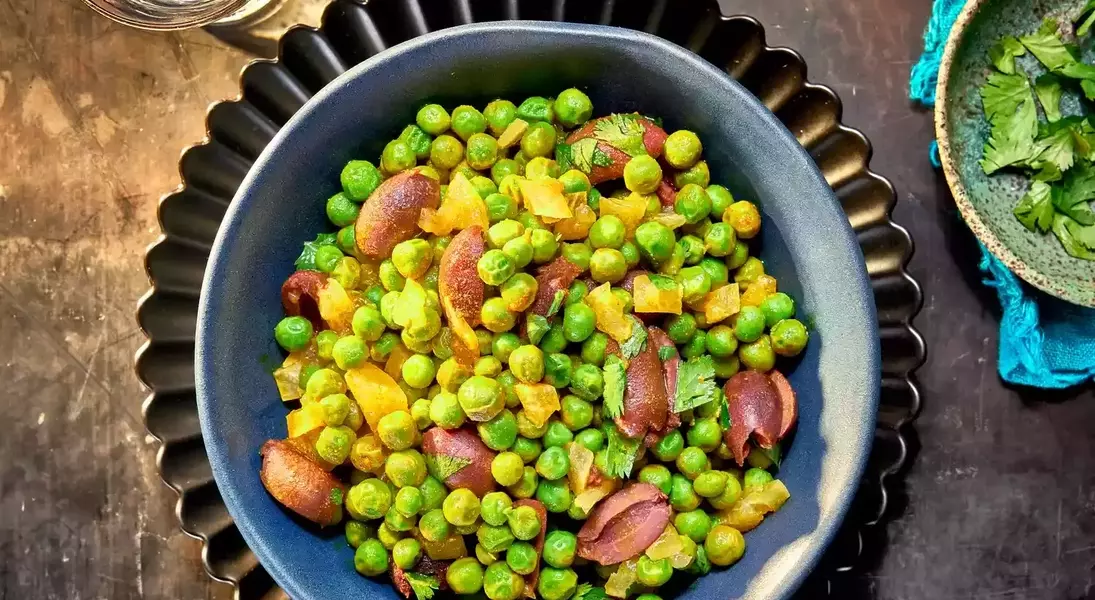
In a fascinating culinary discovery, an unexpected journey into the world of frozen vegetables revealed their remarkable quality and convenience, challenging long-held beliefs about fresh produce. Initially a devotee of seasonal ingredients, one January, an unseasonal craving for peas led to a disappointing encounter with fresh, out-of-season peas—they were small, bland, and lacked the vibrant sweetness of their spring counterparts. However, a subsequent attempt using frozen peas transformed the dish, delivering bursts of delightful sweetness that were both surprising and satisfying. This experience marked a pivotal moment, turning a skeptic into a firm believer in the merits of frozen produce.
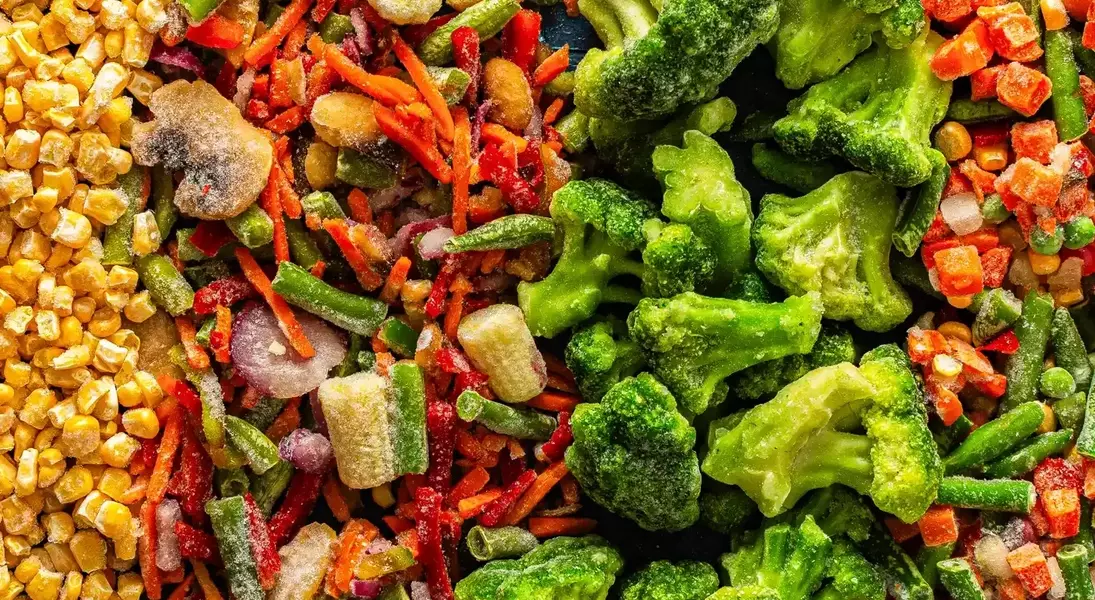
The science behind this revelation is compelling. Many vegetables, like peas, corn, and carrots, quickly convert their natural sugars into starches after being harvested, diminishing their sweetness and sometimes altering their texture. To counteract this, reputable frozen food producers employ a meticulous process: vegetables are picked at their peak ripeness, blanched, and then rapidly flash-frozen. This immediate freezing effectively seals in their natural sugars and prevents starch conversion, ensuring maximum flavor. Blanching also helps reduce microbial counts, and freezing halts bacterial growth, although careful handling upon thawing is crucial to prevent spoilage.
Crucially, the speed of freezing plays a significant role in quality. Unlike typical home freezers, industrial freezers can flash-freeze vegetables in mere minutes. This rapid process minimizes the formation of large ice crystals that can rupture cell walls, leading to mushy textures upon thawing. Instead, rapid freezing produces smaller ice crystals, preserving the cellular structure and ensuring that the vegetables retain their crispness and vibrant taste when cooked.
Among the best vegetables to enjoy frozen are peas, corn, spinach, broccoli, and green beans. Peas, often tedious to shell and fleeting in their fresh season, are perfectly preserved when frozen, offering year-round sweetness and convenience for salads, pasta, and stir-fries. Frozen corn maintains its sweet, juicy profile, making it an excellent substitute for fresh corn in soups, chowders, and casseroles, especially during the off-season. Similarly, frozen spinach, broccoli, and green beans provide a convenient alternative, preventing waste and ensuring a steady supply of vegetables for dips, curries, lasagnas, stir-fries, soups, and sheet-pan dinners. When cooking, it’s advisable to use them directly from the freezer and employ high heat. This method helps to quickly evaporate any surface ice and minimizes water retention, preventing sogginess and preserving their rich flavors. By embracing frozen vegetables, cooks can enjoy delicious, nutritious, and convenient meals without compromising on quality.
This shift in perspective on frozen vegetables encourages home cooks to be more flexible and resourceful in the kitchen. It highlights that convenience does not always equate to a compromise in quality. By understanding the science and knowing which frozen vegetables perform best, we can broaden our culinary horizons and ensure that healthy, flavorful ingredients are always within reach, regardless of the season.
