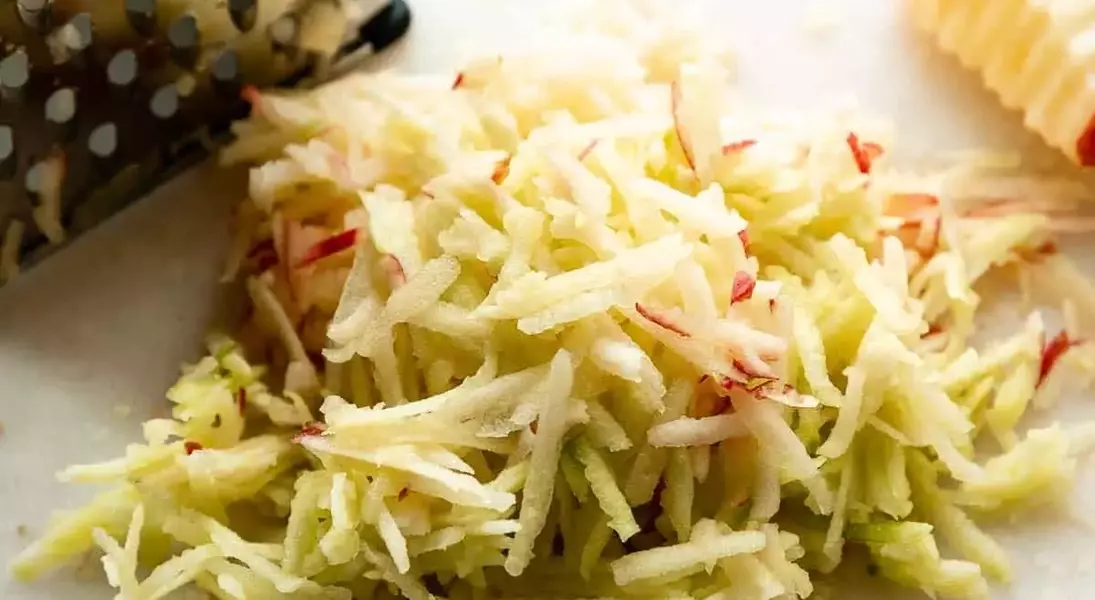
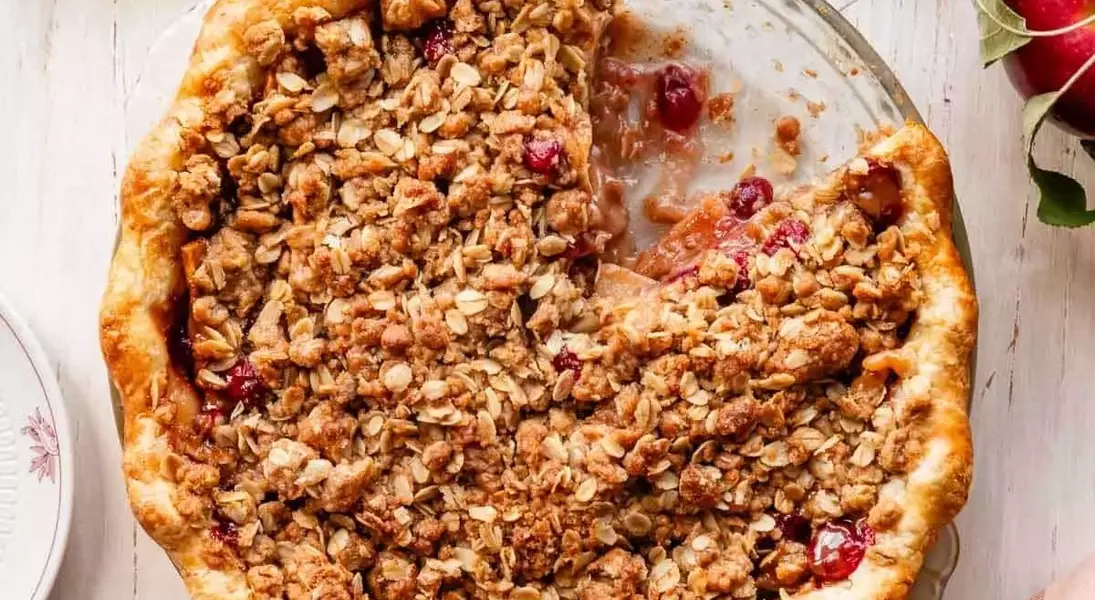
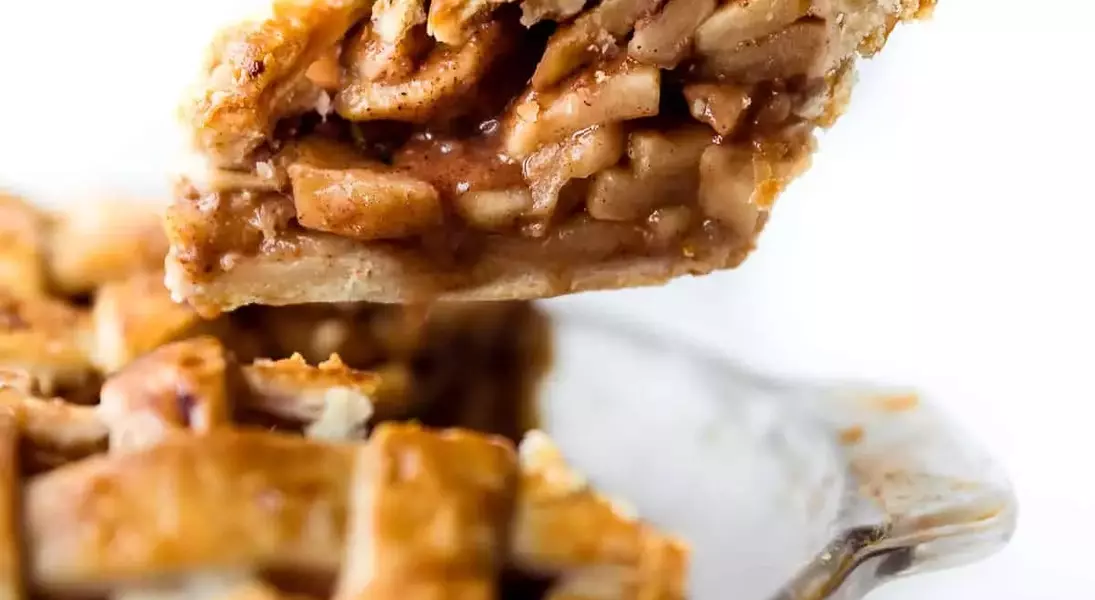
Understanding which apples perform best in baked goods is crucial for achieving culinary success. The ideal apple should maintain its structure during the cooking process, avoiding a mushy consistency. The choice of apple profoundly influences both the texture and the flavor complexity of the finished dish. For optimal results, a blend of different apple varieties is often recommended, combining both tart and sweet profiles to create a balanced and intriguing taste experience. Preparing apples correctly, whether by peeling, shredding, or slicing, also plays a significant role in their application across various recipes.
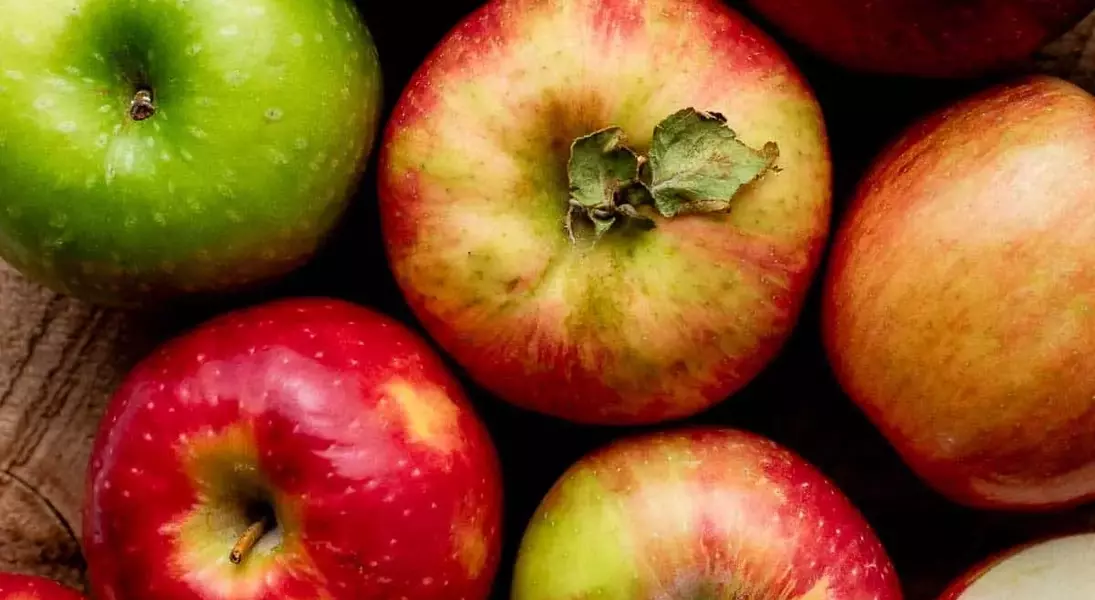
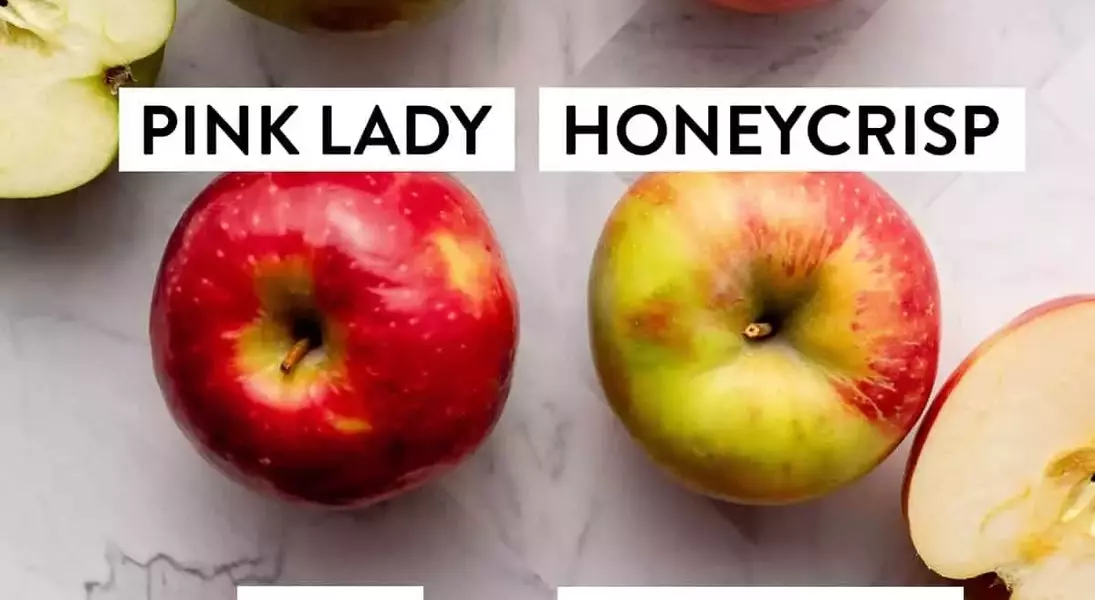
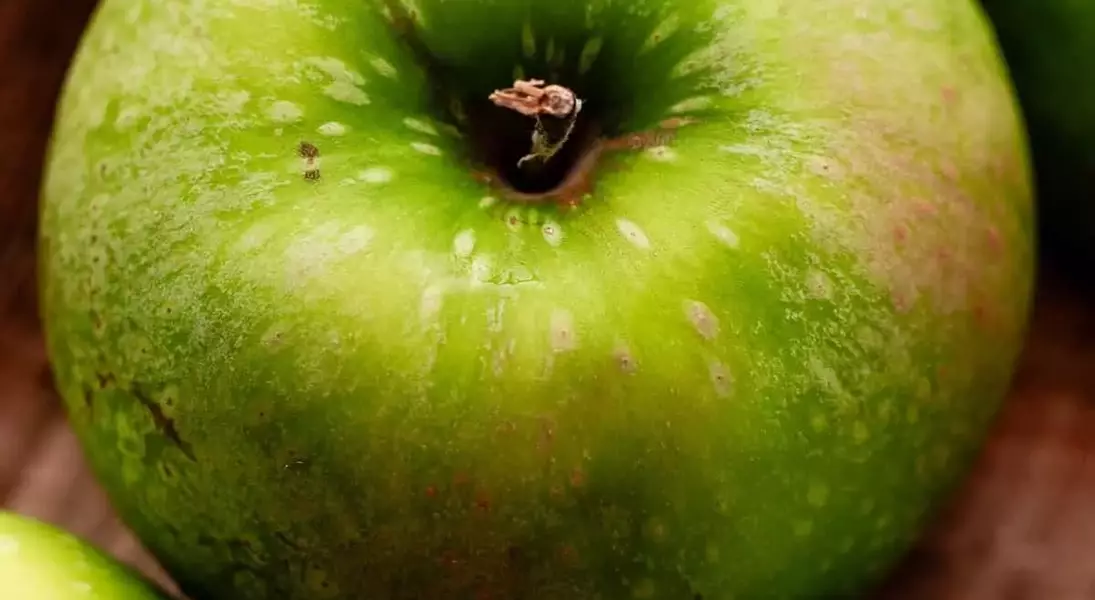
When selecting apples for baking, prioritizing those with a firm and crisp texture is key. Varieties such as Honeycrisp, Granny Smith, Fuji, and Pink Lady are excellent choices as they retain their shape well under heat. Conversely, softer apples like Red Delicious or Gala tend to break down too quickly, making them unsuitable for most baked applications. To enhance the depth of flavor in your creations, consider blending tart apples, such as Granny Smith or Braeburn, with sweeter ones like Honeycrisp or Jazz. This thoughtful combination ensures a rich and nuanced taste that elevates any apple-based dessert. Furthermore, proper preparation, including peeling and precise slicing or chopping, contributes to the overall success and presentation of your baked goods.
The Importance of Apple Texture in Baking
When embarking on baking projects that feature apples, the textural integrity of the fruit is paramount. Apples that are crisp and firm are highly favored because they withstand the heat of the oven, maintaining their distinct shape and providing a pleasant bite in the final product. In contrast, softer varieties quickly lose their form, dissolving into a pulpy consistency that is generally undesirable for structured baked goods. This distinction is critical for dishes where the apple's presence is meant to be felt, such as pies, crumbles, and tarts. Apples like the Honeycrisp, known for its exceptional crunch, or the versatile Granny Smith, which holds up remarkably well, are excellent choices for ensuring your baked delights have the perfect texture.
A critical consideration for any baker is choosing apple varieties that will not turn to mush during the baking process. Apples such as Honeycrisp, Jazz, Fuji, Pink Lady, and Granny Smith are particularly recommended for their ability to retain firmness and structure. These varieties contribute a desirable texture to pies, crisps, and tarts, ensuring that each bite contains distinct pieces of fruit rather than a uniform, soft mass. Conversely, softer apples like Red Delicious or McIntosh are better suited for applications like applesauce or apple butter, where a smooth, broken-down consistency is desired. Selecting the appropriate apple based on its inherent firmness is therefore a foundational step in achieving successful and satisfying baked apple creations.
Achieving Flavor Harmony with Apple Combinations
For a truly exceptional baked apple dish, incorporating a blend of apple varieties is highly recommended. By combining apples with different flavor profiles, such as tart and sweet, bakers can achieve a more complex and harmonious taste. This approach allows the various nuances of each apple to shine through, creating a multi-dimensional flavor experience that a single variety might not offer. For instance, pairing the sharp acidity of a Granny Smith with the mellow sweetness of a Honeycrisp results in a balanced and intriguing filling for pies or crumbles. This strategic mixing of flavors adds depth and character, elevating the overall sensory appeal of the baked good.
To create a richly flavored baked good, it is often best to combine apples that offer both tart and sweet notes. This blend provides a complexity that a single type of apple cannot achieve. Granny Smith apples, with their distinct tartness, are often considered a top choice for baking due to their ability to provide a bright counterpoint to added sugars. When combined with sweeter varieties like Honeycrisp, Fuji, or Pink Lady, the resulting dish benefits from a delightful interplay of flavors. This balance prevents the baked good from being overly sweet or too sharp. For instance, if a recipe calls for four apples, an effective strategy would be to use two tart and two sweet apples, ensuring a dynamic and well-rounded flavor profile that enhances the overall culinary experience.
