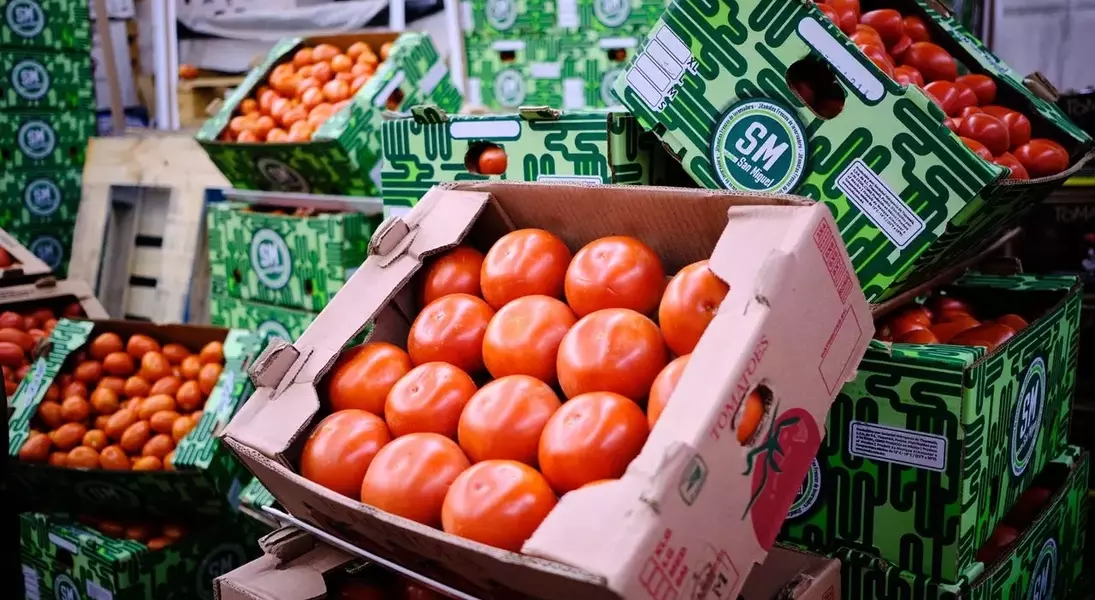
The United States government has announced the reintroduction of tariffs on tomato imports from Mexico, ending a long-standing trade agreement. This decision imposes a 17% duty on these agricultural products, a measure the U.S. Commerce Department asserts is vital for the protection of domestic producers. This action, implemented under the current administration, has ignited a debate between American agricultural interests and Mexican officials, who argue against the fairness and potential economic repercussions of such trade barriers.
For numerous decades, Mexican farmers have played a crucial role in supplying the American market with fresh tomatoes, particularly during the colder months. This consistent supply has, however, been a source of contention for U.S. growers, especially those in Florida, who have long voiced concerns over the competitive landscape created by these imports. The newly enacted tariff, while slightly lower than initial proposals, reflects a broader shift in U.S. trade policy, following closely on the heels of other recent tariff announcements impacting Mexican goods.
U.S. Commerce Secretary Howard Lutnick articulated the rationale behind the tariff, stating that despite the strong alliance with Mexico, the aim is to address what he described as 'unfair trade practices' that have negatively impacted American farmers. This sentiment was echoed by the Florida Tomato Exchange, an organization representing growers and distributors in the state, which lauded the decision as a critical step towards ensuring equitable market conditions for American agriculture.
Conversely, the Mexican government vehemently opposed the imposition of this levy, categorizing it as politically motivated and unjust. A joint statement from Mexico's agricultural and economic ministries underscored that the success of Mexican tomato farmers in gaining market share is a testament to the superior quality of their produce, not a result of any illicit trade activities. Mexican farm organizations further cautioned that American consumers might face elevated tomato prices due to the tariff, given that Mexican-grown tomatoes fulfill a significant portion of U.S. demand. The Mexican President, Claudia Sheinbaum, had previously expressed optimism regarding a resolution, indicating a belief that an agreement could be reached with the U.S. government to circumvent such trade restrictions.
Ultimately, the imposition of this new tariff marks a significant development in agricultural trade relations between the two nations, highlighting the ongoing complexities and differing perspectives on fair competition and economic impact within the global marketplace.
