As the much-anticipated conclusion of "Stranger Things" approaches, fans have an opportunity to delve into a lesser-known yet highly lauded chapter of its history: a 2023 comic book crossover with the "Teenage Mutant Ninja Turtles." This IDW publication, initially viewed by some as a marketing ploy, defied expectations by delivering a profoundly engaging story that seamlessly blended the universes of both beloved 1980s franchises. Praised for its narrative depth, faithful character portrayals, and stunning artwork, the series offered a unique perspective on the Upside Down and its inhabitants, proving to be far more than a simple commercial tie-in and offering a delightful experience for enthusiasts of both worlds.
The creative decision to feature the original, red-masked Teenage Mutant Ninja Turtles, as conceptualized by Kevin Eastman and Peter Laird in 1984, was a masterstroke. This choice was strategically aligned with the timeline of "Stranger Things," placing the crossover between the show's second and third seasons, specifically in early 1985. This temporal congruence allowed for a natural integration of the grittier, more serious tone of the early Turtles comics, which resonated well with the darker undertones of "Stranger Things." The visual palette, enhanced by Sofie Dodgson’s coloring, further united the two worlds, particularly through the clever use of red hues echoing both the Turtles’ masks and the unsettling aesthetic of "Stranger Things."
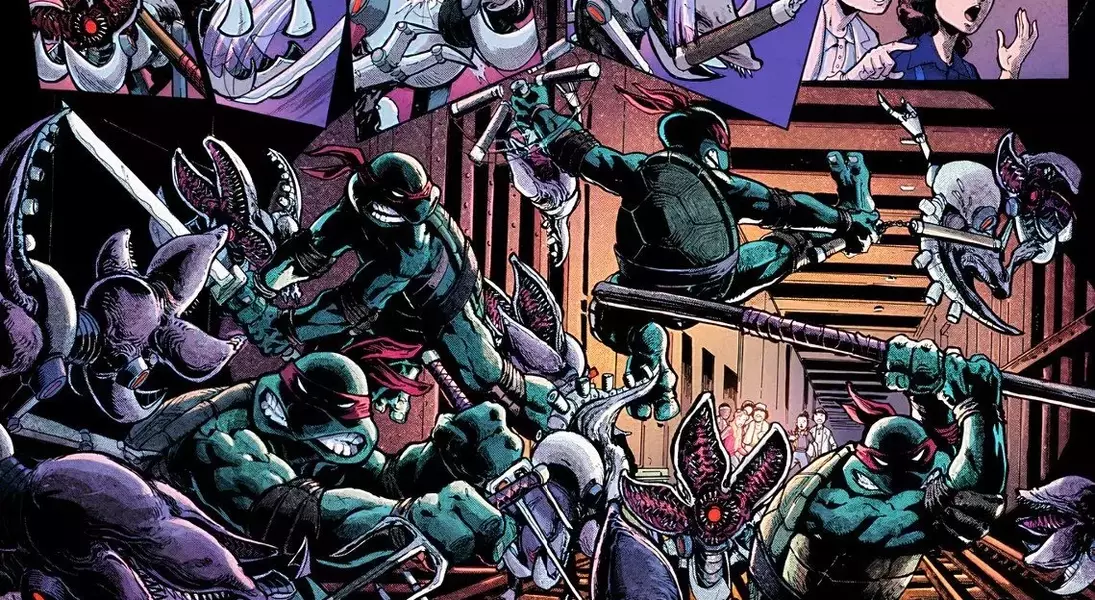
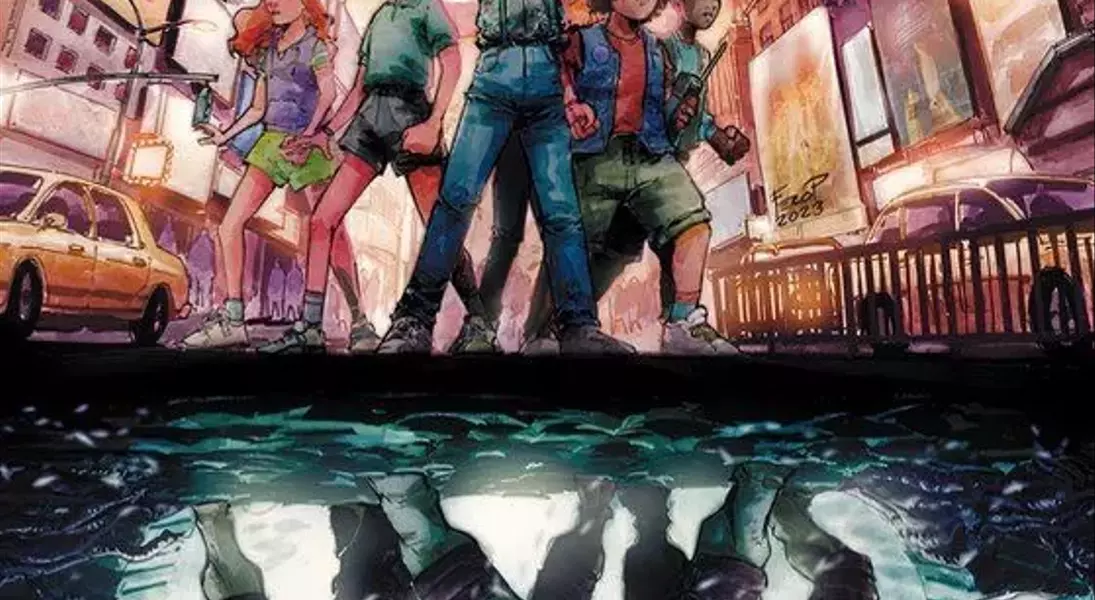
The narrative ingeniously avoids complex dimensional travel, instead bringing the Hawkins gang to New York City on a school trip where they naturally encounter the sewer-dwelling heroes. This simplified premise allows for a focused storytelling approach, featuring a core group of "Stranger Things" characters—the four boys, Max, and Eleven—making the interaction more intimate and manageable. The initial confrontation unfolds in the subway tunnels, where the "Stranger Things" kids mistake the sounds of battle for demodogs, only to discover the Turtles battling robotic demodog-mouser hybrids created by Baxter Stockman. This villainous choice, rather than the more obvious Shredder, perfectly complements the "evil scientist" motif prevalent in "Stranger Things," even weaving in a surprisingly coherent backstory between Stockman and Dr. Brenner.
While the comic is celebrated for its ingenuity, a minor continuity discrepancy has emerged with later seasons of "Stranger Things." The comic posits the Upside Down as a pervasive alternate dimension, extending beneath New York City, whereas the show's fifth season reveals it to be a bridge to "The Abyss" specifically located under Hawkins. This point, unknown to the comic's creators in 2023, is a forgivable oversight given the evolving lore of "Stranger Things." This narrative freedom, however, allowed artist Fero Pe to create some of the series' most breathtaking visuals, including the Mind Flayer entwined around the Empire State Building and dynamic double-page spreads depicting simultaneous battles in both New York and the Upside Down. Pe's artwork not only honors Eastman and Laird's distinctive style but also crafts unique and expressive designs for the "Stranger Things" characters, with his interpretation of the dark, mysterious Upside Down truly standing out.
Beyond the narrative and artistic merits, the crossover fully embraces the fun of such an improbable pairing. Moments like Lucas wielding Michelangelo’s nunchucks or Donatello forming a bond with the tech-savvy teens from Hawkins' AV Club are highlights. A particularly memorable scene involves Raphael presenting Eleven with a red bandana, a symbolic gesture of camaraderie that perfectly encapsulates the spirit of the crossover. Although not essential for understanding the main "Stranger Things" canon, this four-issue limited series offers an entertaining and surprisingly cohesive experience for fans of both franchises, successfully delivering on its promise of an unexpected yet compelling graphic novel event.
