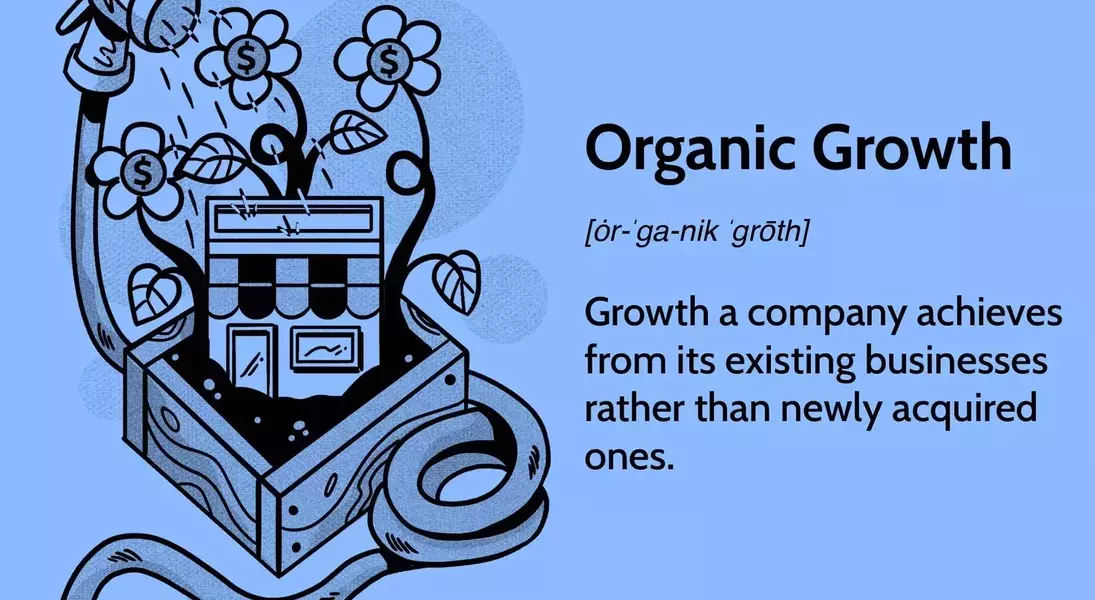
Organic growth represents a company's inherent ability to expand its operations and increase its revenue through its own efforts, distinct from external factors like mergers or acquisitions. This growth model prioritizes internal strategies, such as optimizing production processes, enhancing sales efforts, developing innovative products, and improving customer relationships. It highlights a business's capacity to thrive by leveraging its existing resources and adapting to market demands, laying a foundation for sustainable, long-term success.
The Core Elements of Organic Business Growth
In the dynamic world of commerce, understanding the nuances of business expansion is crucial. On March 14, 2024, a significant insight into this came from the financial news outlet Investopedia, which meticulously detailed the concept of organic growth. This approach to business development, as elucidated by Investopedia, emphasizes internal expansion—a company's ability to boost production and drive sales using its own resources, rather than through external means like mergers and acquisitions (M&A). This method of growth is not merely about increasing revenue; it's about fostering an environment of self-sufficiency, innovation, and sustained value creation.
Organic growth strategies are multifaceted, often encompassing optimization, strategic reallocation of resources, and continuous product innovation. Optimization involves refining business processes to reduce costs and establish effective pricing. Resource reallocation ensures that capital and materials are directed towards the most profitable products. Meanwhile, constant innovation in products and services is key to meeting evolving consumer needs and driving profits. This internal focus allows companies to maintain tighter control over their operational direction and financial decisions, reducing the risks and complexities often associated with M&A activities. It also signals robust internal health to investors, fostering confidence in the company's long-term viability.
A notable instance of organic growth was highlighted by Walmart. The retail giant reported a 4.5% increase in comparable store sales for the 52 weeks ending January 31, 2025. This growth was attributed by Walmart's CEO to a strategic pivot towards e-commerce and more efficient delivery systems. This example underscores how internal adjustments and customer-centric strategies can lead to substantial gains without resorting to external business combinations. In essence, organic growth prioritizes building deeper connections with the customer base and fostering an innovative spirit within the organization, contrasting sharply with inorganic growth that relies on external acquisitions.
Beyond the Balance Sheet: The Enduring Value of Organic Growth
The journey of business expansion presents a fundamental choice: growing organically from within or expanding inorganically through acquisitions. While the latter can offer rapid market penetration and immediate scale, the former, as explored in the Investopedia report, cultivates a more resilient and sustainable enterprise. The long-term implications of organic growth extend far beyond mere financial metrics; they touch upon the very essence of a company's identity and its relationship with its stakeholders. From a strategic perspective, organic growth empowers businesses to forge stronger connections with their customer base. By focusing on internal product development, service enhancement, and market understanding, companies can create offerings that genuinely resonate with consumer needs. This deep engagement not only drives sales but also builds brand loyalty and advocacy, which are invaluable assets in a competitive landscape.
Moreover, the emphasis on internal development inherently encourages a culture of innovation. When growth is tied to developing new solutions or improving existing ones, employees are motivated to think creatively and collaboratively. This continuous pursuit of betterment fosters an adaptive organization capable of responding effectively to market shifts and emerging trends. For investors, a company demonstrating consistent organic growth often signals a sound business model, effective management, and a deep understanding of its market. Such internal strength can translate into greater shareholder value, not just through increased profitability but also through reduced operational risks and a more stable growth trajectory. The lessons drawn from the Investopedia article reinforce the idea that while spectacular, acquisition-led growth can be appealing, the steady, deliberate path of organic growth often yields more profound and lasting benefits, building a foundation that withstands the tests of time and market volatility.
