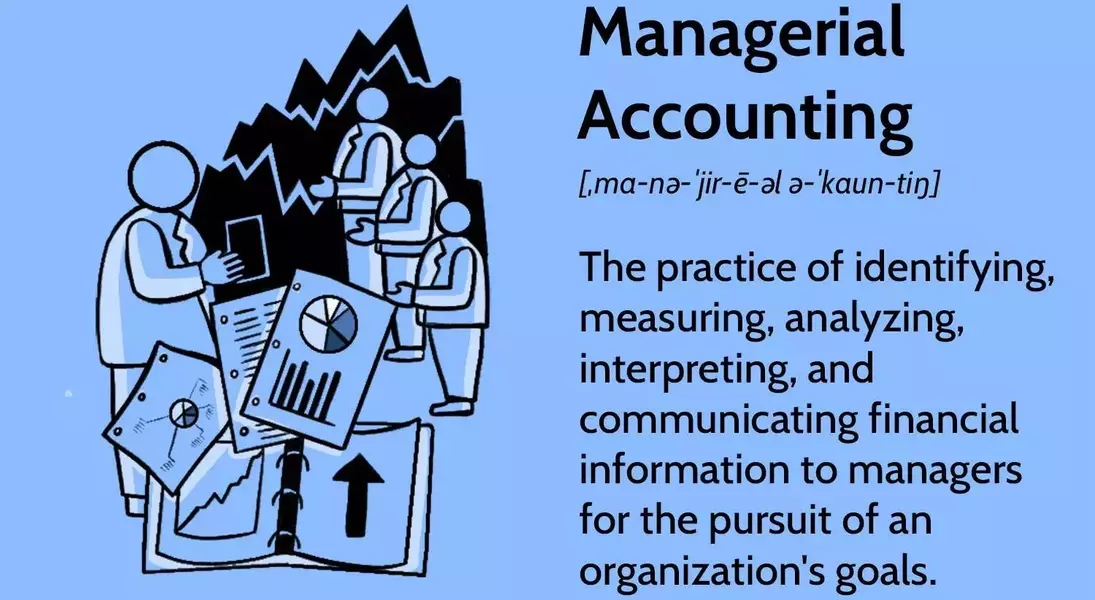
Managerial accounting acts as a vital internal compass for businesses, translating complex financial figures into practical knowledge that drives informed choices. Distinct from the standardized financial reports intended for external parties, these customized analyses delve deeply into the underlying factors that determine costs and profitability within specific operational contexts.
Managerial Accounting: Empowering Internal Decision-Making
In the dynamic world of business, successful decisions are often underpinned by meticulous financial analysis. While external stakeholders typically see polished annual reports and quarterly earnings statements, company leaders rely on a specialized set of financial tools to navigate their daily operations. This is the realm of managerial accounting—a unique discipline dedicated to converting raw financial data into actionable business intelligence.
Managerial accounting scrutinizes expenses, evaluates production effectiveness, forecasts the results of potential decisions, and monitors progress against set objectives. Crucially, these analyses are designed to address specific management inquiries, free from the stringent external reporting standards that govern financial statements. Whether it's pinpointing the most profitable products or assessing the viability of in-house manufacturing versus outsourcing, these specialized financial insights enable managers to differentiate between seemingly lucrative ventures and those that genuinely contribute to long-term value creation.
At its core, managerial accounting transforms financial data into intelligence for organizational leaders. Unlike financial accounting, which produces standardized reports adhering to generally accepted accounting principles (GAAP) for external audiences, managerial accounting probes deeper into the operational nuances that shape a company's performance. It seeks to answer critical questions such as: Which products are generating profit? Where are resources being squandered? How might shifts in the industry impact future profitability? This forward-looking discipline was developed precisely to address these strategic inquiries.
The practice of managerial accounting involves systematically tracking, analyzing, and reporting the economic expenditures of business activities. Practitioners meticulously break down costs in ways that financial accounting often consolidates, offering managers a granular understanding of their spending—what it's for, why it's incurred, and the tangible value derived. For instance, when a manufacturing firm contemplates automating a production line, managerial accountants assess not only the equipment cost but also the potential savings in labor, improvements in product quality, and increased production capacity.
This discipline is founded on three pillars: strategic planning, which involves charting operational and financial courses; diligent controlling, which monitors actual performance against established benchmarks; and insightful decision-making, which provides the analytical foundation for guiding strategic choices. These pillars collectively empower management to efficiently allocate finite resources, ranging from prioritizing product lines to determining optimal inventory levels and pricing strategies.
The distinction between managerial and financial accounting is profound. Financial accounting serves an outward-facing role, providing standardized reports for investors, regulatory bodies, and creditors. Conversely, managerial accounting is inwardly focused, delivering bespoke analyses designed to aid leaders in the effective operation of the business.
Financial accounting operates under strict regulatory frameworks, such as GAAP or International Financial Reporting Standards (IFRS), ensuring consistency and comparability across public companies for the benefit of investors. Managerial accounting, however, is unburdened by these external constraints, allowing for greater flexibility and a future-oriented approach to analyses tailored to specific management needs. For example, a marketing director might receive detailed contribution margin reports for each product line, while an operations manager might view granular cost breakdowns by production activity—each report meticulously designed to bolster particular business decisions.
Their temporal orientations also diverge significantly. Financial accounting primarily records past transactions, creating a historical financial record. While managerial accounting certainly utilizes historical data, its primary thrust is forward-looking, employing budgets, forecasts, and scenario analyses to help managers anticipate the future consequences of present choices.
Perhaps the most salient difference lies in the level of detail. Financial statements often aggregate information into broad categories. Managerial reports, however, delve much deeper, potentially disaggregating production costs by individual components, machine hours, or specific activities that drive expenditures.
Managerial accounting systems are most effective when they are customized to the unique cost drivers and performance levers of a given industry or business model, rather than being a generic, one-size-fits-all solution.
Managerial accounting encompasses several specialized domains that address distinct facets of a business. These methodologies constitute the core toolkit for contemporary managerial accountants.
Understanding the precise cost of producing goods or delivering services is fundamental to making informed pricing and production decisions. Product costing extends beyond merely summing direct materials and labor; it necessitates a sophisticated allocation of overhead and indirect costs. Cash flow analysis, working capital management, capital expenditure analysis, and scenario planning are critical for liquidity and long-term investment decisions. Inventory management techniques like turnover analysis, economic order quantity, and just-in-time systems are crucial for optimizing operational efficiency and financial performance. Constraint analysis and performance measurement, including balanced scorecards and responsibility accounting, help identify bottlenecks and align employee actions with organizational goals. Lastly, budgeting, trends, and forecasting tools such as zero-based budgeting, flexible budgeting, and rolling forecasts are indispensable for future planning and progress tracking.
From my perspective, the profound value of managerial accounting lies in its ability to empower internal stakeholders with clarity and foresight. It transforms what could otherwise be a labyrinth of numbers into a clear roadmap for strategic action. This internal focus fosters a culture of continuous improvement, where every decision, from the shop floor to the executive suite, is informed by data-driven insights. In an increasingly competitive global landscape, the ability to rapidly adapt, optimize resource allocation, and innovate is paramount. Managerial accounting provides the indispensable framework for achieving these objectives, ensuring that companies not only understand their past performance but are also equipped to shape a prosperous future.
