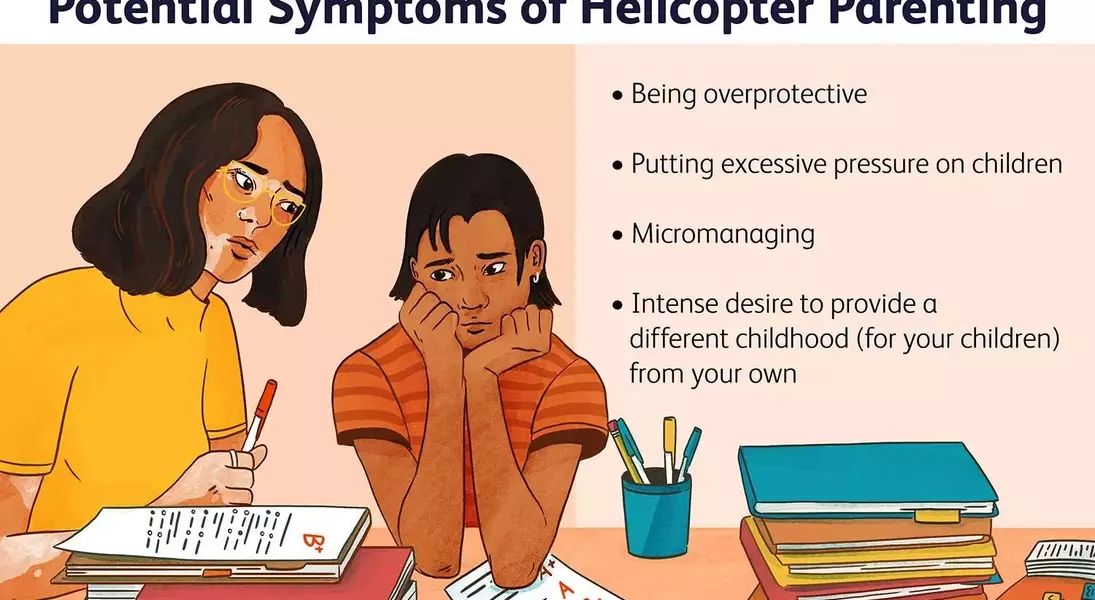
Helicopter parenting, characterized by excessive parental involvement and supervision, can significantly impact a child's development. This approach, while often driven by a desire for a child's success and protection, can inadvertently stunt their independence, confidence, and ability to navigate challenges. Experts suggest that understanding the origins and effects of this parenting style is crucial for fostering resilient and self-reliant children.
The Intricacies of Helicopter Parenting: A Detailed Analysis
Helicopter parenting is a dynamic characterized by caregivers who maintain an exceptionally high level of oversight in their children's lives. This intense involvement extends to academic performance, extracurricular pursuits, and even social interactions, often driven by an earnest desire to shield children from adversity and pave their way to success. As Dr. Michelle M. Reynolds, a clinical psychologist and founder of LifeCatalyst: Therapy and Coaching, notes, these parents often display an overprotective nature and an exaggerated concern for their children's well-being. Similarly, Dr. Ann Dunnewold, a licensed psychologist and author, defines it as an excessive form of parenting—one that is overly controlling, protective, and focused on perfection, surpassing what is considered responsible caregiving. The term itself originated from Dr. Haim Ginott's 1969 book, Between Parent and Teenager, where a teenager colorfully described his mother's constant vigilance as akin to a hovering helicopter. This style can manifest across all developmental stages. For example, in toddlerhood, a helicopter parent might constantly shadow their child, meticulously directing every play activity and denying them any solitary moments. During elementary school, this might involve actively influencing teacher assignments, selecting friends and activities, or providing excessive assistance with homework and projects. Such profound involvement can arise from various factors. A prominent cause is the profound fear of potential negative outcomes—parents might dread their child's failure to make a sports team or a disastrous job interview, particularly if they believe their intervention could have altered the result. Dr. Deborah Gilboa, a resilience expert, highlights that many challenges parents instinctively try to prevent—such as unhappiness or struggle—are, in fact, valuable learning opportunities for children, despite feeling profoundly threatening to parents. Additionally, parental anxiety stemming from broader societal pressures, like economic uncertainties or a competitive job market, can compel parents to exert greater control over their children's lives. Dr. Carolyn Daitch, director of the Center for the Treatment of Anxiety Disorders, explains that such worries can lead parents to believe that micromanagement will prevent their children from experiencing hurt or disappointment. Overcompensation is another contributing factor; parents who experienced neglect or a lack of affection in their own childhoods may overcorrect by providing excessive attention and monitoring to their offspring. Furthermore, peer pressure among parents can play a significant role. Witnessing other parents' hyper-involvement can create a sense of obligation, leading some to believe that a lack of similar engagement makes them "bad" parents, fueled by guilt and societal expectations. The effects of helicopter parenting are far-reaching and can have significant long-term consequences. While parents often begin with good intentions, the line between engaged and over-involved parenting is delicate. According to Dr. Gilboa, maintaining perspective on what children truly need is vital. Although engaged parenting can foster a sense of love, acceptance, and self-confidence, excessive intervention can prove detrimental. When parental decisions are driven by fear and an impulse to prevent all setbacks, children are robbed of crucial learning experiences. Failure and challenges are essential for developing new skills and, critically, for teaching children that they are capable of overcoming obstacles. The negative impacts often include reduced confidence and self-esteem, as the implicit message of over-involvement is a lack of trust in the child's own abilities. Moreover, children may develop underdeveloped coping skills, as constant parental intervention means they never learn to manage disappointment, loss, or failure independently. Research supports these observations: a 2018 study in Developmental Psychology indicated that overcontrolling parenting hinders a child's emotional and behavioral regulation, while other studies link helicopter parenting to inflated self-perception and impulsivity. Increased anxiety and depression have also been associated with over-parenting, as evidenced by a study in the Journal of Child and Family Studies. This style can also foster a sense of entitlement in children who become accustomed to having their every need anticipated and problems resolved. Crucially, it can lead to underdeveloped life skills, as children are not given the opportunity to master basic tasks like tying shoes or managing their schoolwork. Finally, self-advocacy can be severely hindered; children may struggle to articulate their needs, ask questions, or seek clarification if their parents have always spoken for them. Dr. Gilboa wisely advises that by allowing children to face struggles and disappointments, parents can cultivate resilient and self-confident individuals. Despite these drawbacks, helicopter parenting does have some positive aspects. Children of helicopter parents often demonstrate punctuality, complete homework diligently, and arrive prepared for activities. They typically receive substantial support and guidance in various aspects of their lives, from academic challenges to health issues or bullying. These parents are generally well-informed about their child's progress and proactive in addressing any difficulties. However, the ultimate goal remains a balance: providing support while empowering children to grow, acquire new skills, and learn from their own failures.
As a concerned observer, it is evident that striking a balance in parenting is paramount. While the protective instincts of parents are natural and commendable, the insights provided by experts underscore the potential harm of over-intervention. The shift from a constantly hovering presence to a supportive yet hands-off approach encourages children to develop crucial life skills and a robust sense of self-efficacy. Allowing children to experience the natural consequences of their actions, to struggle, and ultimately to overcome, cultivates resilience—a far more valuable asset than a life devoid of challenges. True parental love lies not in shielding children from every difficulty, but in equipping them with the tools and confidence to navigate the world independently. It's a call for parents to consciously step back, trust in their children's innate capabilities, and celebrate their journey of growth, even when it involves stumbles and setbacks.
