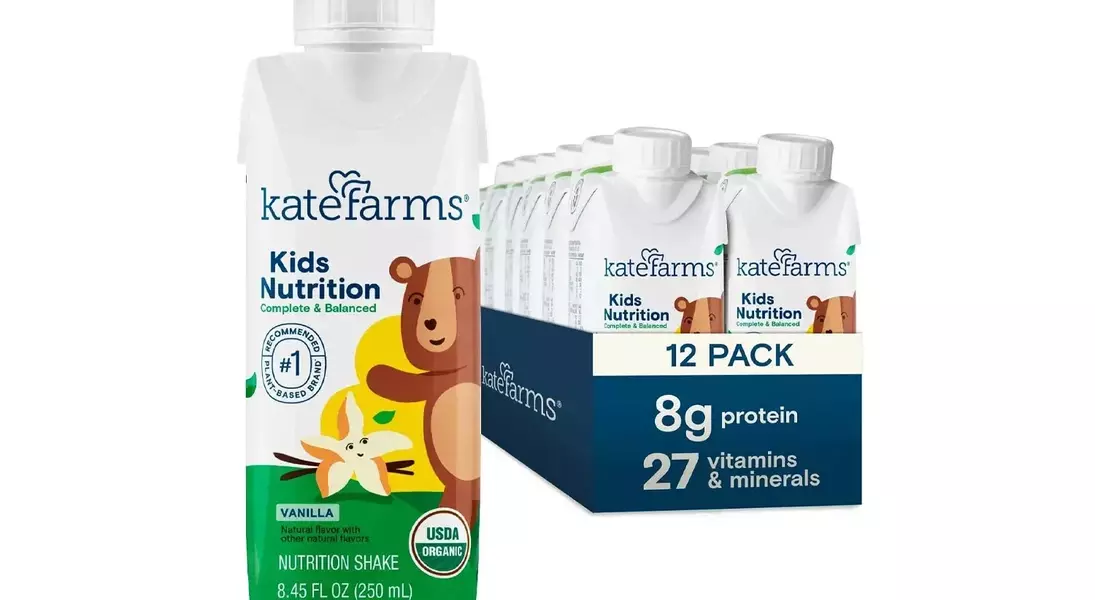

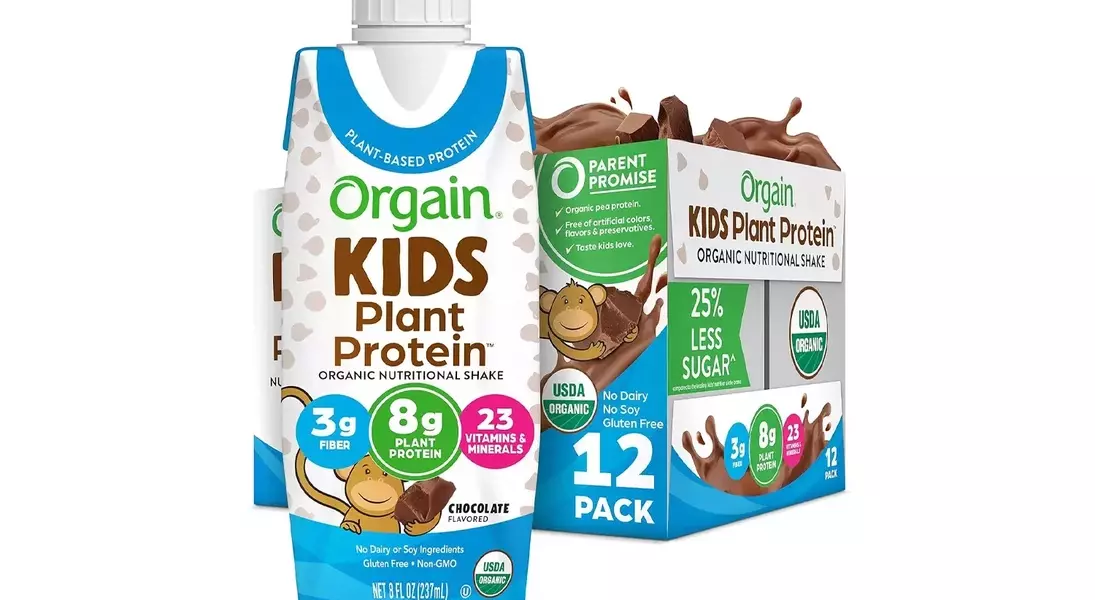







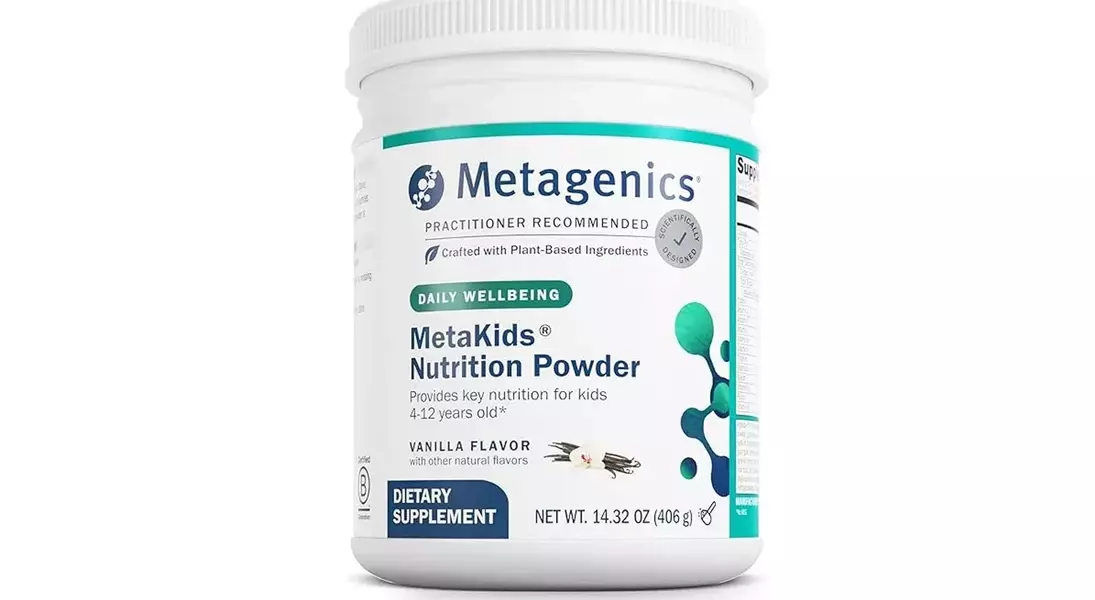




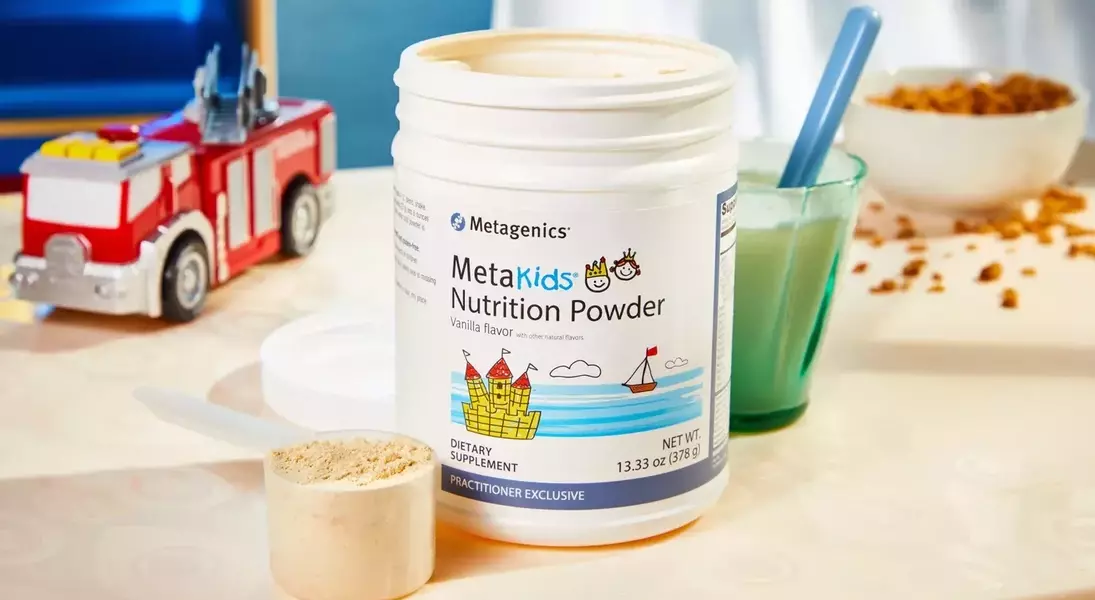


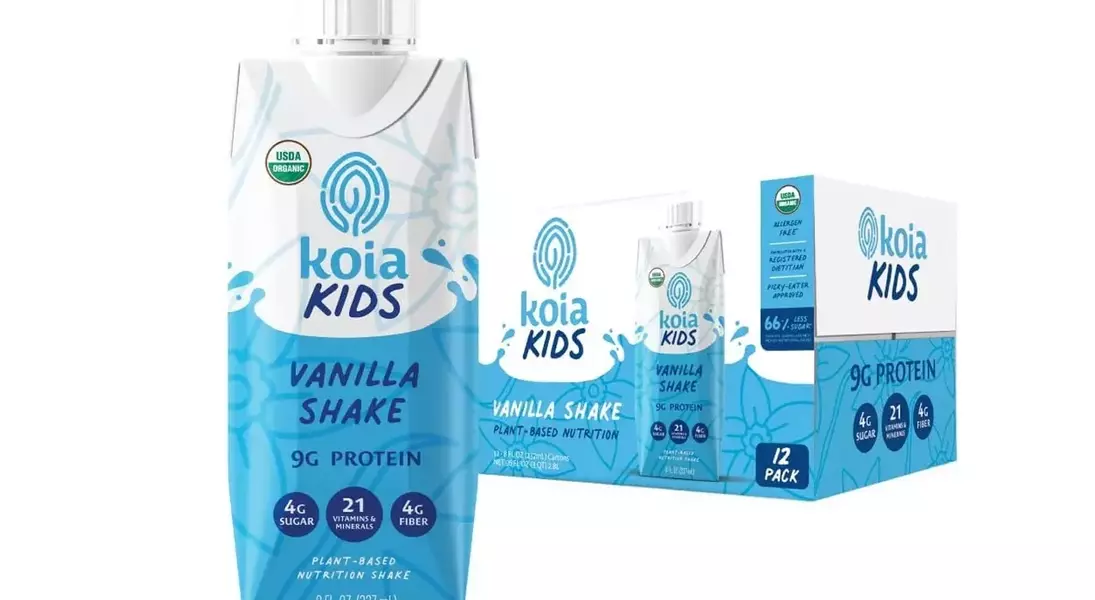
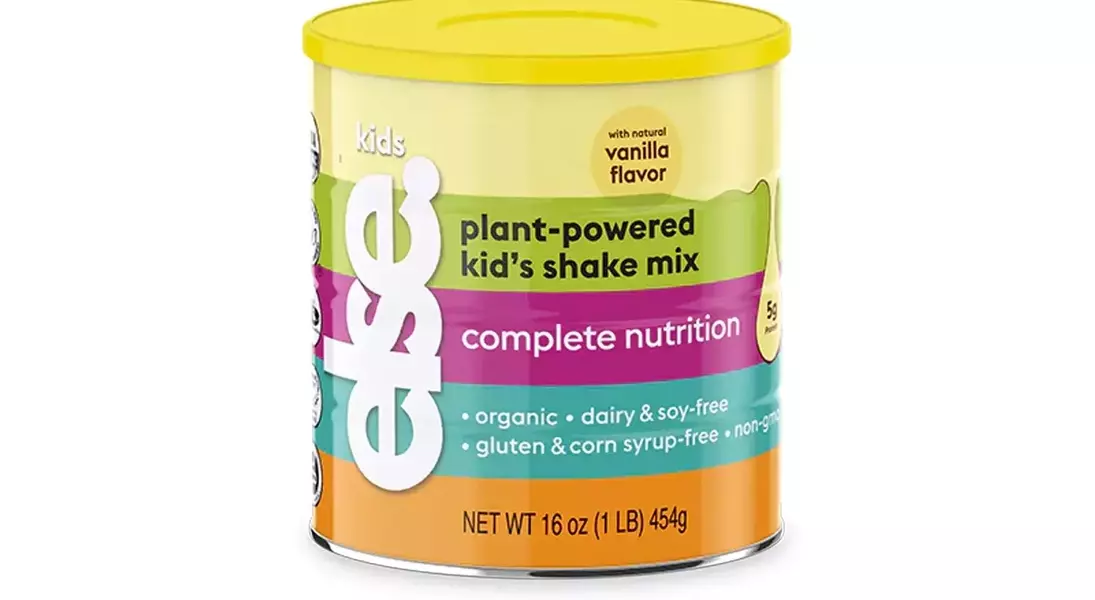






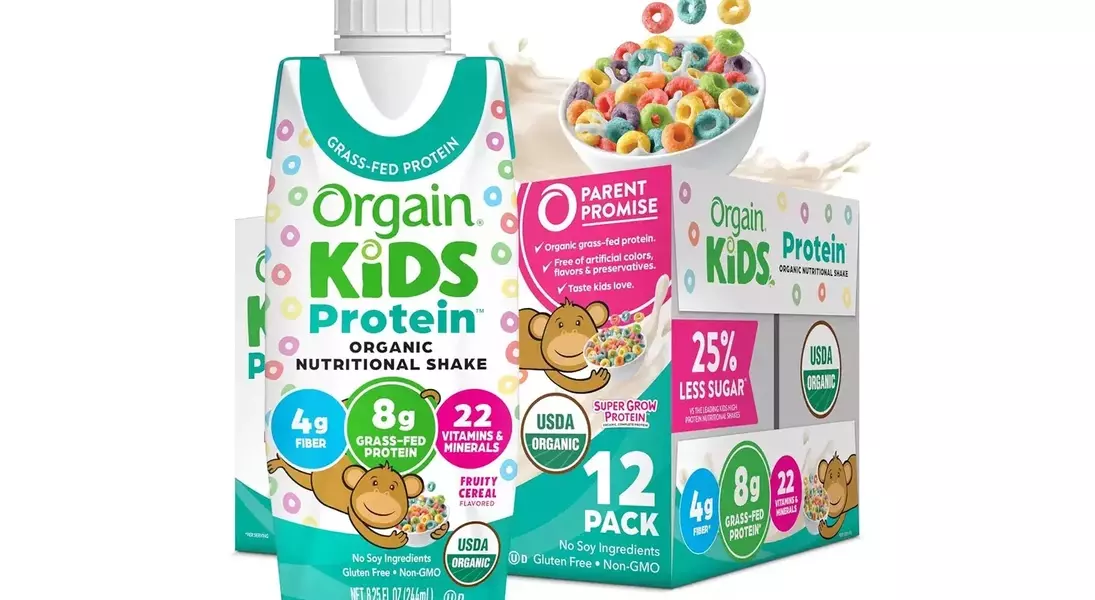
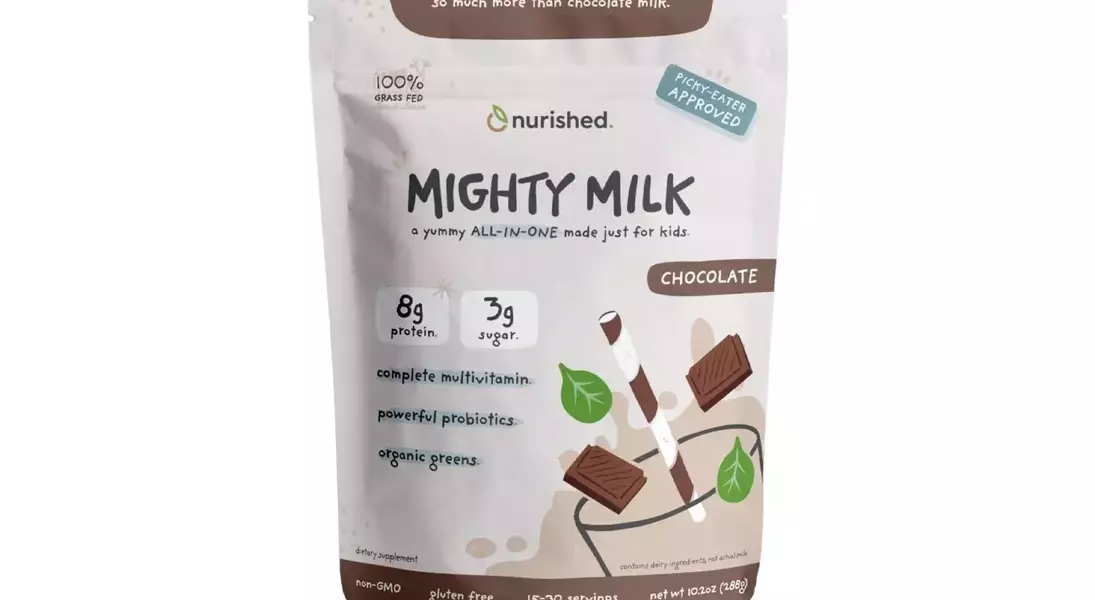






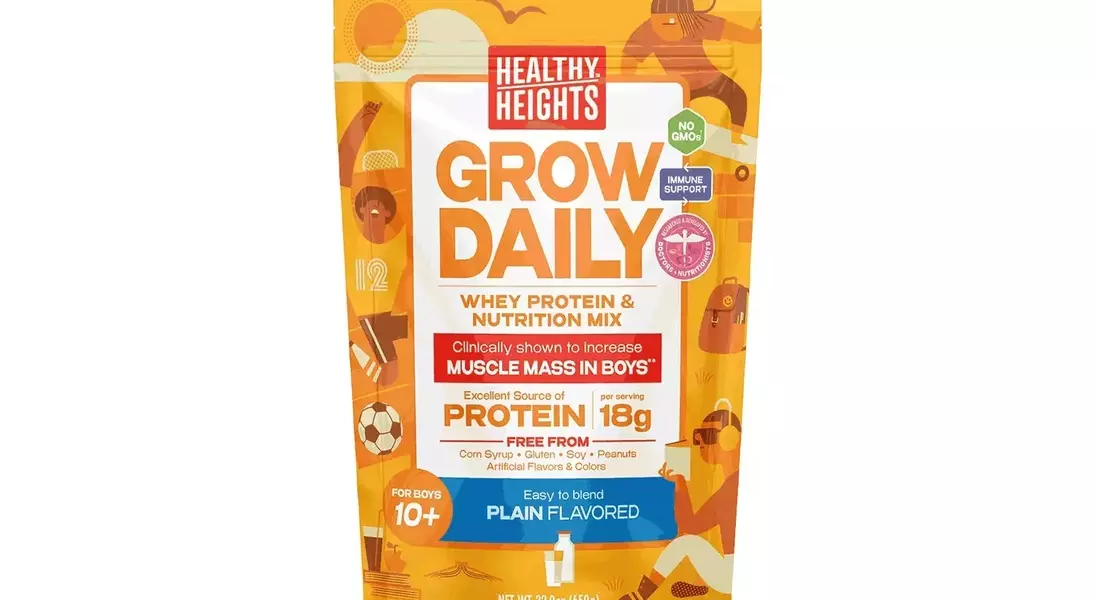








Protein is an essential nutrient for children's development, playing a crucial role in muscle formation, healthy skin, and bone strength. While most children on a diverse diet typically consume sufficient protein, supplements like protein powders and shakes can be beneficial for specific groups. These include children with highly selective eating habits, those who struggle with weight gain, or individuals with allergies, medical conditions, or sensory sensitivities that restrict their dietary protein intake.
To guide parents in making informed choices, we conducted thorough evaluations of leading protein supplements. Our assessment focused on crucial aspects such as taste, consistency, lingering flavors, aroma, and overall cost-effectiveness. Additionally, we incorporated expert opinions from pediatric dietitians, who provided valuable insights into the appropriate use and key characteristics of effective protein supplements for children. This comprehensive review culminated in the identification of eight top-tier products designed to meet various nutritional needs and preferences.
The market offers a wide array of protein products tailored for children, each with distinct benefits. For instance, plant-based options cater to vegan diets or dairy allergies, providing essential nutrients without common allergens. These ready-to-drink formulations offer convenience for busy schedules, ensuring children receive a balanced intake of protein, fats, carbohydrates, vitamins, and minerals. Products formulated for specific age groups, like toddlers or older children, often address unique nutritional demands, such as higher caloric content for weight gain or increased protein for active adolescents.
When selecting a protein supplement, it's vital to consider the ingredients and potential interactions with other medications or supplements your child might be taking. Many products include added sugars, non-nutritive sweeteners, or sugar alcohols, which can influence taste and digestive comfort. Consulting a healthcare provider is highly recommended to ensure the chosen supplement aligns with your child's overall health and dietary needs. This personalized approach helps in avoiding excessive intake of certain vitamins or minerals, which can be detrimental.
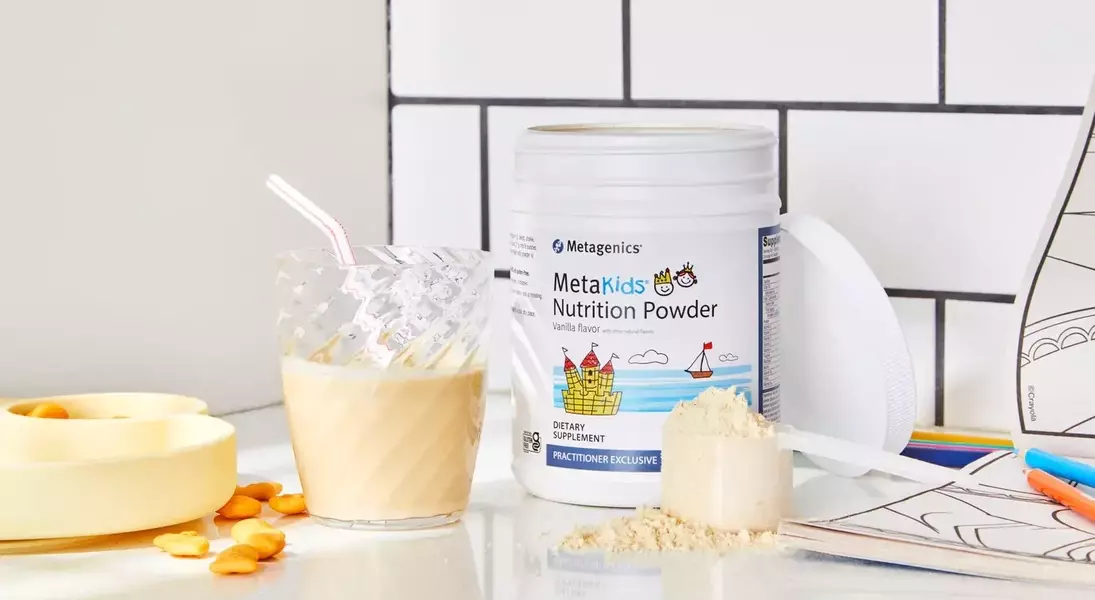
Protein supplements come in two main forms: powders and ready-to-drink shakes. Shakes offer immediate consumption and portability, ideal for on-the-go nutrition. Powders, conversely, provide greater flexibility as they can be mixed with various liquids or incorporated into foods like smoothies and baked goods, allowing for adjustable dosages. Pediatric dietitians often favor powders due to their versatility and the ability to customize portions, which is particularly useful for children who may find large volumes of liquid challenging to consume.
Ultimately, while protein supplements can play a supportive role in a child's diet, they are not universally necessary. Most children can meet their protein requirements through whole foods. However, for those with specific dietary challenges, allergies, or increased protein needs due to medical conditions or active lifestyles, thoughtfully chosen protein powders or shakes can be valuable. Always consult with a healthcare professional to determine the suitability and appropriate usage of these supplements for your child, ensuring their safety and optimal nutritional well-being.
