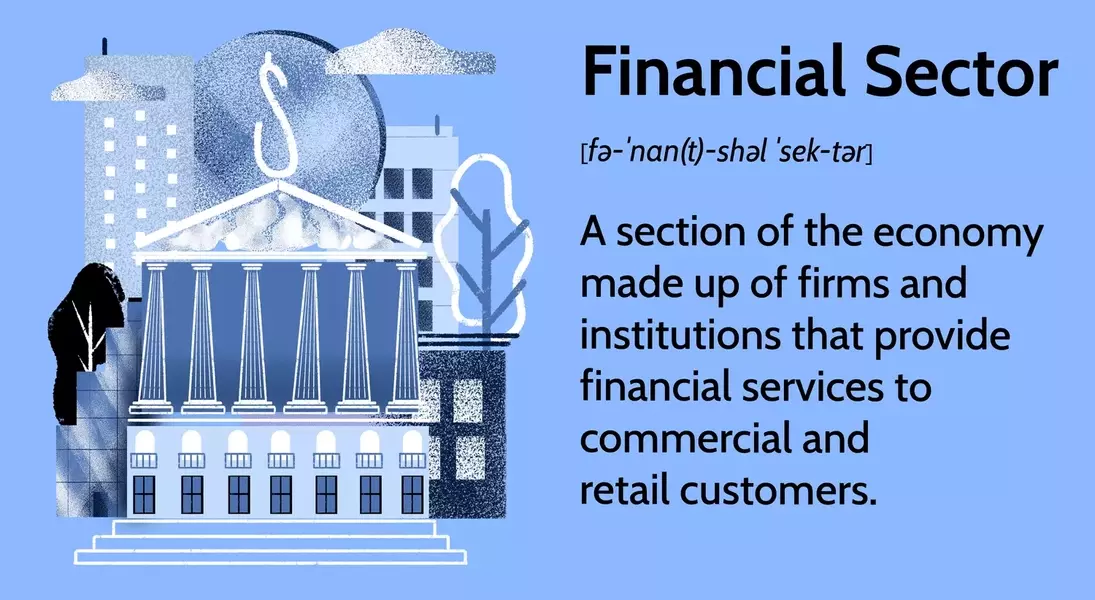
The financial services industry is an indispensable segment of the global economy, comprising diverse firms and institutions that deliver financial solutions to both commercial enterprises and individual consumers. This encompasses a wide array of segments, such as banking, investment management, insurance provision, and real estate services. A flourishing financial sector is fundamental to economic stability, providing essential services like credit, property financing, and risk protection through insurance. Its vitality often serves as a barometer for the broader economic health.
The economic well-being of a nation is intricately linked to the resilience of its financial sector. A robust financial system fosters a healthy economy, whereas a weakened sector typically signals broader economic challenges. While many associate the financial sector primarily with major exchanges and Wall Street, its scope extends far beyond these familiar symbols. It is a cornerstone of developed economies, encompassing brokers, various financial institutions, and diverse money markets, all working in concert to sustain daily economic activities.
A stable economy relies on a thriving financial sector. This industry provides capital for business expansion, facilitates homeownership through mortgages, and offers insurance to safeguard individuals, businesses, and their assets. Furthermore, it plays a critical role in accumulating retirement savings and is a significant employer. A substantial portion of the financial sector's earnings is derived from loans and mortgages, which tend to appreciate in value during periods of declining interest rates. Such low-rate environments encourage capital projects and investments, thereby boosting the financial sector and contributing to overall economic expansion.
The financial sector encompasses numerous industries, including retail banking, investment banking, insurance carriers, real estate agencies, consumer lending firms, and mortgage originators, alongside real estate investment trusts (REITs). It constitutes one of the largest components of major stock market indices, such as the S&P 500. Dominant players in this sector include globally recognized banking institutions like JPMorgan Chase, Wells Fargo, Bank of America, and Citigroup. Beyond these giants, a multitude of smaller entities also contribute to the sector's vibrant landscape. Insurance companies, such as American International Group (AIG) and Chubb (CB), represent another significant industry within this broad economic segment.
Economists frequently draw a direct correlation between the financial sector's health and the overall economic landscape. When financial firms face difficulties, consumers are negatively affected, as these companies are crucial providers of loans for businesses, mortgages for homeowners, and insurance for the populace. Restrictions on these activities can impede growth in both small businesses and the real estate market. Investments in financial stocks are a common choice for many portfolios, with these companies often distributing dividends and being evaluated based on their financial strength. The financial crisis of 2007-2008 severely impacted the sector, leading to bankruptcies like that of Lehman Brothers. However, subsequent governmental intervention and regulatory reforms have significantly strengthened the industry.
The financial sector benefits from several favorable conditions. Moderately rising interest rates allow financial service providers to increase earnings from their financial holdings and credit offerings. Reduced government regulation can alleviate cost burdens and enhance profitability. Lower consumer debt levels mitigate default risks and may encourage further borrowing, leading to increased sector profitability. Conversely, investors must also acknowledge potential risks, such as rapid interest rate hikes, which can dampen credit demand, particularly for mortgages. A flattening yield curve, where the spread between long- and short-term interest rates narrows, can also pose challenges. Additionally, increased legislative oversight, while beneficial for consumer protection, can introduce administrative hurdles that slow down operations for financial service firms.
The financial sector is pivotal for economic stability and growth, offering essential services such as credit, housing finance, and risk management through insurance. A flourishing financial sector is a clear indicator of a healthy economy, while its weaknesses can foreshadow economic downturns. This diverse sector, encompassing banking, investment, insurance, and real estate, is significantly influenced by external factors like interest rates and government policies. These elements dictate everything from consumer lending to corporate investment activities. For investors, financial stocks and exchange-traded funds (ETFs) present growth opportunities, yet they inherently carry risks, as evidenced during past financial crises. Staying abreast of interest rate fluctuations and regulatory shifts is crucial for making informed financial decisions. The performance of the financial sector invariably reflects the broader economic condition.
