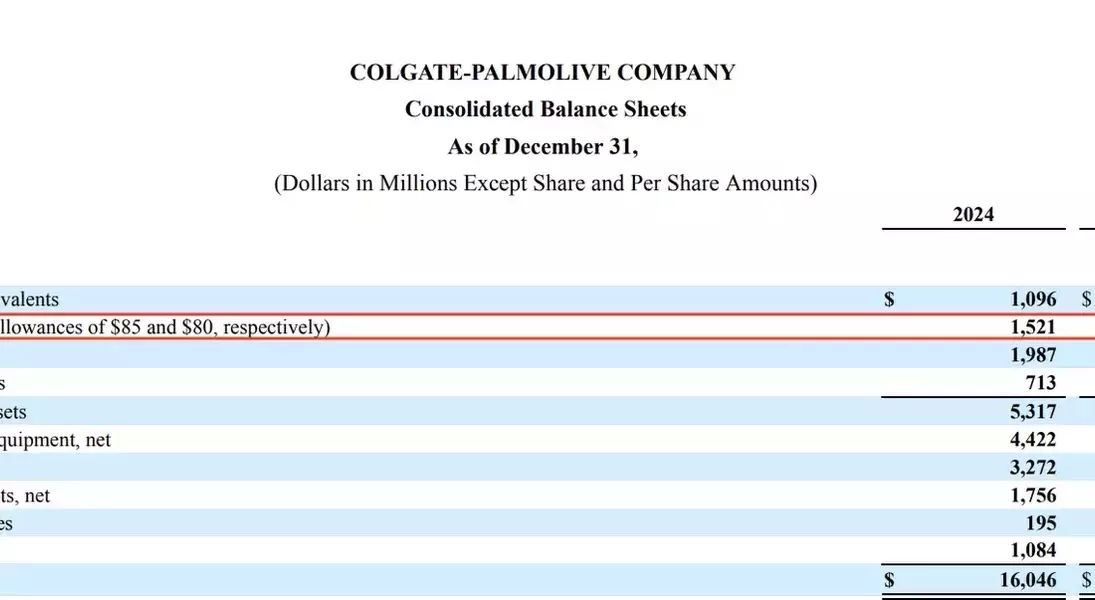
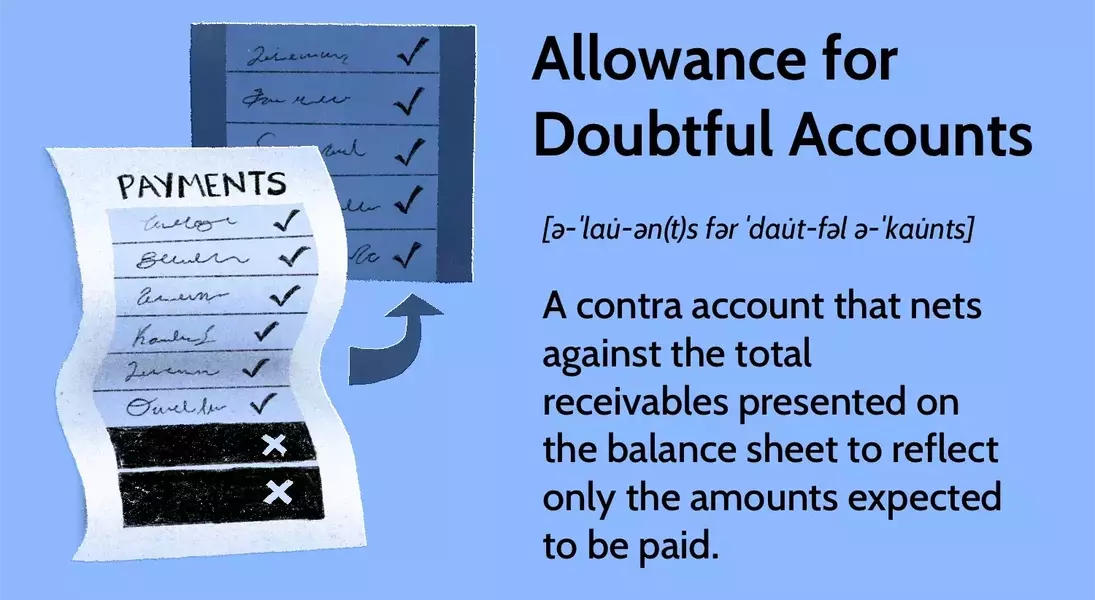
When businesses extend credit to their clients, an inherent risk exists that some payments may not be received. To accurately reflect their financial standing, companies establish a financial reserve known as the "allowance for doubtful accounts." This provision helps predict future credit losses from invoices that customers are unlikely to settle. By proactively estimating these uncollectible amounts, businesses can present a more truthful representation of their financial health.
This accounting mechanism serves a dual purpose: it adheres to the matching principle of accounting, which dictates that expenses should be recognized in the same period as the revenues they generate, and it enhances the precision of financial statements by acknowledging the genuine risks linked to future customer payments. Several strategies are employed to estimate these uncollectible funds, including applying a percentage to credit sales, analyzing the age of accounts receivable, categorizing customers by risk, utilizing historical data, or even focusing on individual accounts. This proactive approach ensures that financial records are both transparent and aligned with generally accepted accounting principles (GAAP).
The process of managing the allowance for doubtful accounts involves several steps: initially establishing the allowance, making necessary adjustments as new information becomes available, and eventually writing off specific accounts deemed uncollectible. For instance, if a company expects $75,000 of its outstanding invoices to go unpaid, it would record this amount as both a "bad debt expense" and an increase in the "allowance for doubtful accounts," thereby reducing the reported value of total receivables. Should economic conditions worsen or payment patterns shift, these allowances can be adjusted. When an account is definitively uncollectible, it is removed from both the receivables and the allowance, ensuring that the initial expense recognition prevents any new charges. This method, although seemingly subjective, provides a far more accurate and conservative financial outlook than simply assuming all invoices will be paid.
Embracing the allowance for doubtful accounts is not merely a technical accounting requirement but a strategic business imperative. It allows companies to transform the uncomfortable reality of potential non-payments into a manageable financial process. By anticipating these credit risks, businesses are better positioned to make informed decisions regarding credit extensions and collection strategies. This foresight ultimately contributes to a more robust and honest financial ecosystem, benefiting both the company and its stakeholders.
