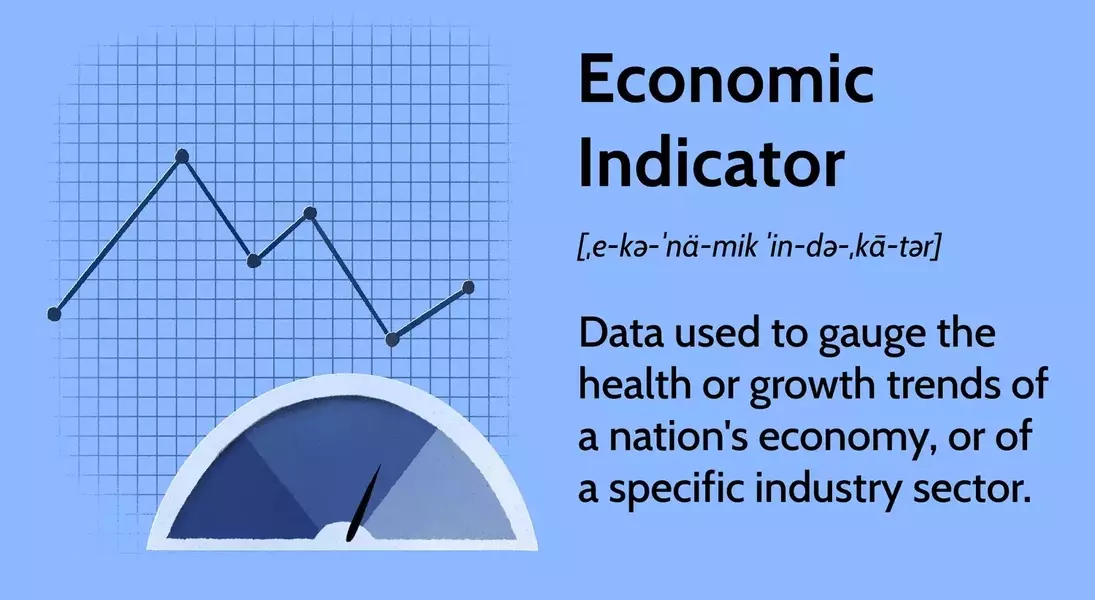
Economic indicators serve as vital tools for analyzing the condition, performance, and future trajectory of an economy. These data-driven signals, primarily macroeconomic in nature, are essential for analysts to evaluate potential investments and gauge overall economic vitality. Various indicators, such as the Consumer Price Index (CPI), gross domestic product (GDP), and unemployment figures, are regularly published by governmental and non-profit organizations, providing critical insights into economic trends.
Understanding the different categories of economic indicators is key to their effective use. Leading indicators, like the yield curve and share prices, aim to forecast future economic shifts. Although they offer a glimpse into upcoming trends, their predictive accuracy is not absolute. Coincident indicators, including GDP and employment levels, reflect current economic activity, offering real-time data that is particularly useful for policymakers. Lagging indicators, such as the unemployment rate and interest rates, confirm economic trends after they have occurred. While these indicators provide valuable historical context, they may not be ideal for immediate decision-making as the data reflects past events.
The correct interpretation of economic indicators is paramount for their utility. While strong correlations between GDP and corporate profit growth have been observed, isolating the impact of a single indicator on specific corporate earnings can be challenging. Economic indicators like interest rates and retail sales provide objective measures of economic activity. Their true value often emerges when observed over extended periods, allowing for comparative analysis against historical benchmarks, such as the Federal Reserve's target inflation rate. However, economic indicators are not without their limitations; they may involve forecasting uncertainties, overlook complex underlying factors, and can be subject to diverse interpretations, leading to varied conclusions among experts.
Economic indicators, encompassing leading, coincident, and lagging data points, are fundamental for informing governmental policies, guiding individual and corporate decisions, and shaping investment strategies. These tools empower us to understand economic realities and foresee potential directions, fostering informed actions and robust planning for a prosperous future.
