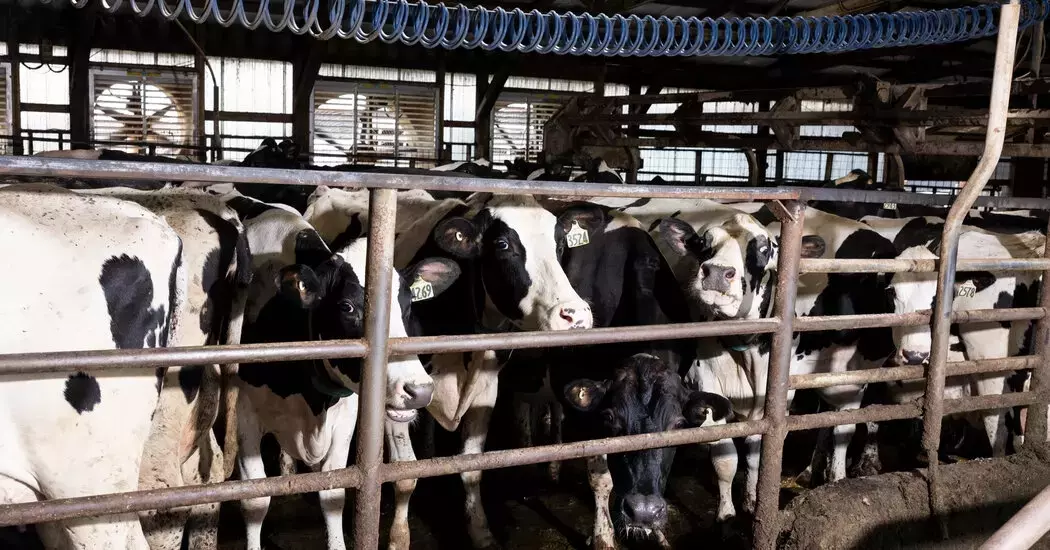
A recent study by the Centers for Disease Control and Prevention (CDC) has revealed that three dairy veterinarians, including one who worked exclusively in regions with no reported bird flu outbreaks, have experienced undetected H5N1 infections. This discovery, based on antibody tests of 150 veterinarians across 46 states, suggests that the virus may be spreading more widely than previously recognized. Experts note that while this finding is not entirely unexpected, it highlights gaps in detection and reporting mechanisms. Since the initial outbreak last March, over 950 herds in 16 states have been affected, with 68 human cases confirmed, most exhibiting mild symptoms.
Unexpected Infections Raise Concerns About Virus Spread
The revelation of these hidden infections among veterinarians underscores the potential for unnoticed transmission of the H5N1 virus. One veterinarian, who operated solely in areas without documented bird flu cases, tested positive for antibodies, indicating exposure to the virus. This finding challenges the assumption that certain regions are free from the infection. The study's results suggest that the virus might be circulating more broadly than official reports indicate, raising concerns about the true extent of the outbreak in the U.S.
The presence of undetected infections in veterinarians working in supposedly unaffected areas adds a layer of complexity to the ongoing efforts to contain the virus. It implies that current surveillance methods may be insufficient to capture all instances of infection. Dr. Seema Lakdawala, a virologist at Emory University, emphasized the need for enhanced monitoring systems. "There are clearly infections happening that we're missing," she noted. Improved detection protocols could help identify and mitigate the spread of the virus more effectively, especially in regions thought to be safe from the outbreak.
Implications for Public Health Preparedness
The delayed publication of this critical data due to administrative pauses has underscored the importance of timely information dissemination for public health preparedness. Dr. Nahid Bhadelia, director of the Boston University Center on Emerging Infectious Diseases, stressed the significance of having access to such findings. The study's release, initially planned several weeks ago, was crucial for informing strategies to combat the virus. The delay highlights the need for transparent communication channels between health agencies and the public.
The broader implications of these findings extend beyond veterinary practices. They call for a reevaluation of current surveillance and response frameworks. With over 950 affected herds and 68 human cases, mostly involving individuals who had contact with sick cows, there is an urgent need to enhance early detection and intervention measures. Experts agree that improving diagnostic tools and expanding testing capabilities will be essential in addressing the gaps in our understanding of the virus's spread. Moreover, fostering collaboration between various health sectors can lead to more effective containment strategies, ensuring better protection for both animals and humans.
