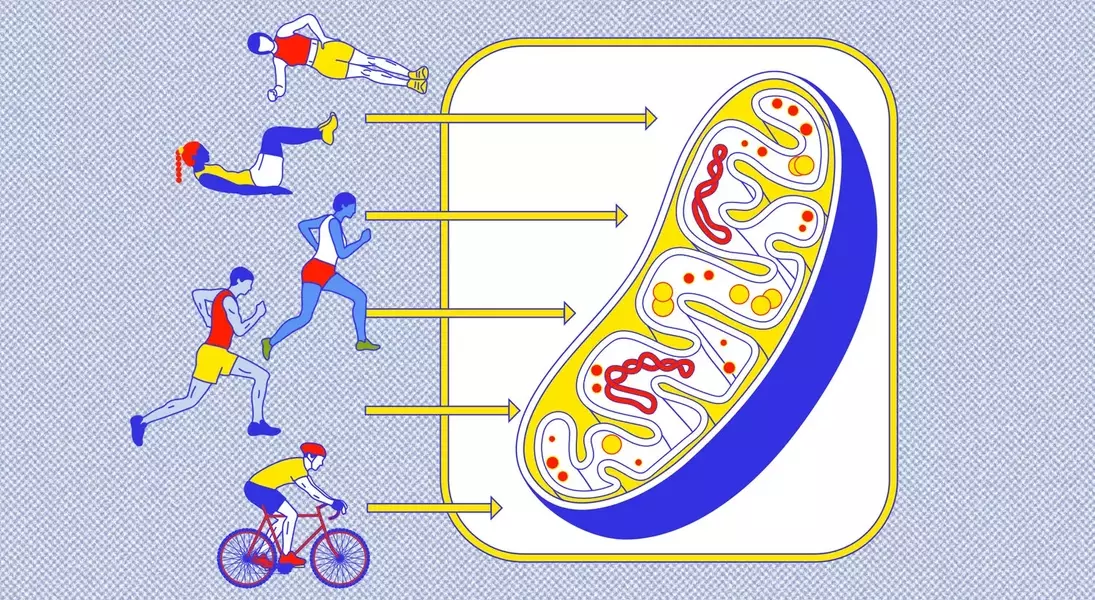
A new wave of fitness enthusiasts argues that prolonged, moderate-intensity workouts hold the secret to a healthier, longer life. This approach, often referred to as "Zone 2" training, has gained traction thanks to influential figures like Dr. Peter Attia, who introduced this concept to a broader audience in his 2023 book "Outlive." Dr. Attia posits that engaging in extended periods of low-effort exercise can significantly benefit metabolic health. Unlike the high-intensity interval training (HIIT) trend that has dominated for over a decade, Zone 2 emphasizes maintaining a steady, manageable pace without pushing too hard. Advocates believe this method can help prevent chronic diseases such as type 2 diabetes and heart disease by optimizing fat metabolism and reducing lactate buildup.
The science behind Zone 2 training is rooted in the research of Dr. Iñigo San Millan from the University of Colorado School of Medicine. A former professional cyclist, Dr. San Millan has developed a classification system for exercise intensity based on how the body uses different energy sources. In the easiest training zone, which might equate to a brisk walk for most people, the body primarily burns fat. As the intensity increases, fat burning peaks before the body starts relying more on carbohydrates. Crossing this threshold triggers changes in lactate levels, signaling increased muscle exertion. While Zone 2 proponents claim these workouts are essential for metabolic health, some experts remain skeptical about whether this specific focus is truly necessary for overall well-being.
This discussion highlights the importance of finding a balanced approach to fitness. Whether through Zone 2 training or other methods, prioritizing consistent, sustainable exercise routines can lead to significant health benefits. Embracing a variety of activities tailored to individual needs can promote longevity and enhance quality of life. Ultimately, the key lies in listening to one's body and adopting practices that support long-term health and wellness.
