
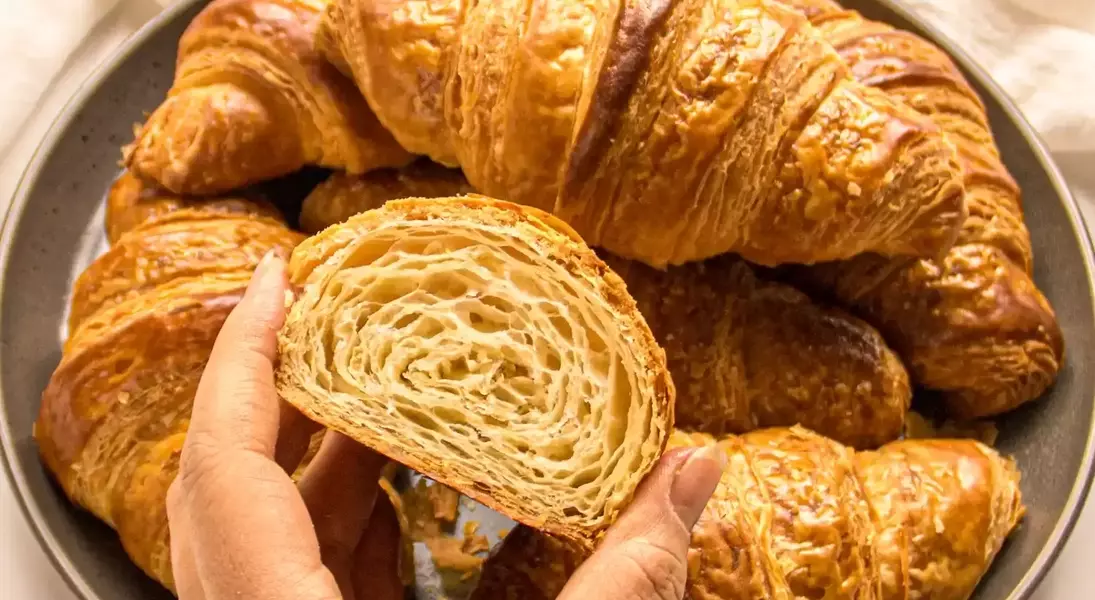

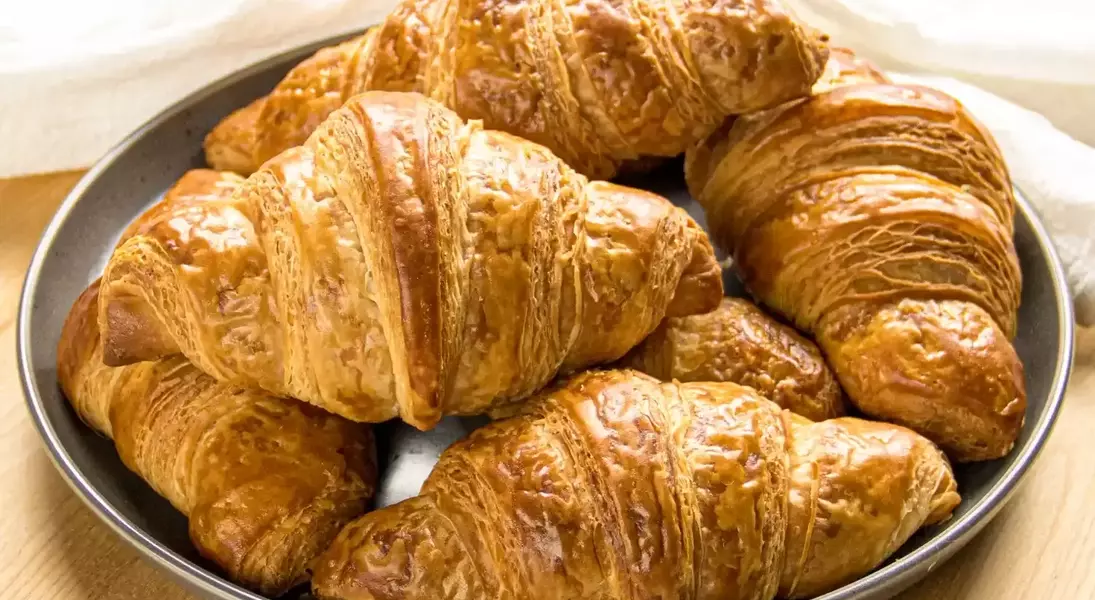
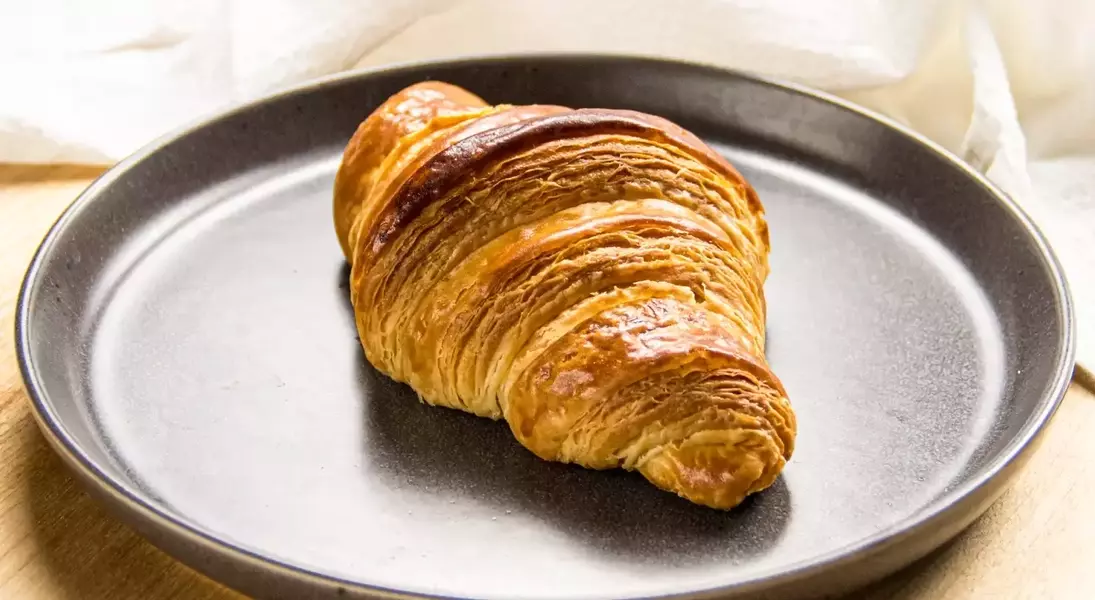







This extensive guide unlocks the secrets to creating exquisite, golden, and airy croissants from the comfort of your kitchen. Leveraging insights from years spent in French bakeries and instructing numerous students, this methodology simplifies the traditionally intricate process of croissant-making for home enthusiasts. It details a meticulous three-day plan, highlighting the critical stages and techniques required to produce pastries with a distinct, delicate structure and rich, buttery flavor.
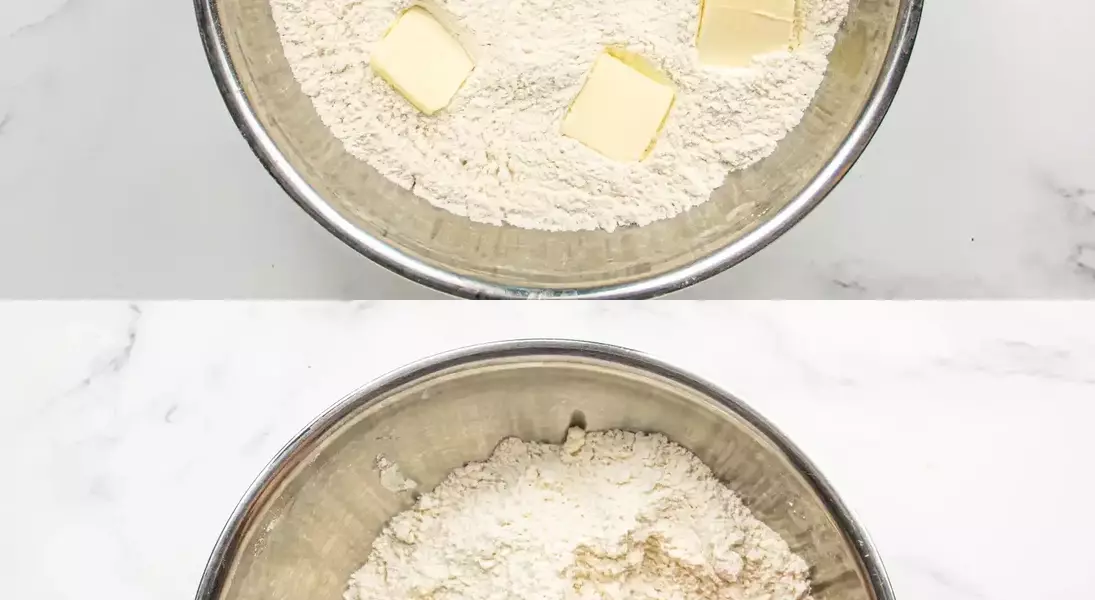
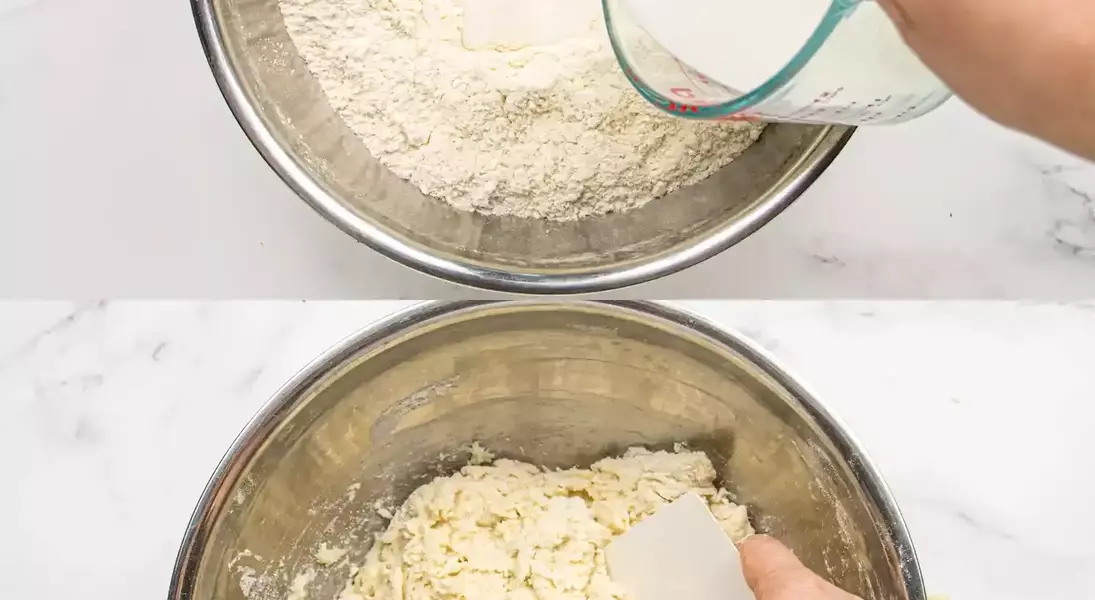
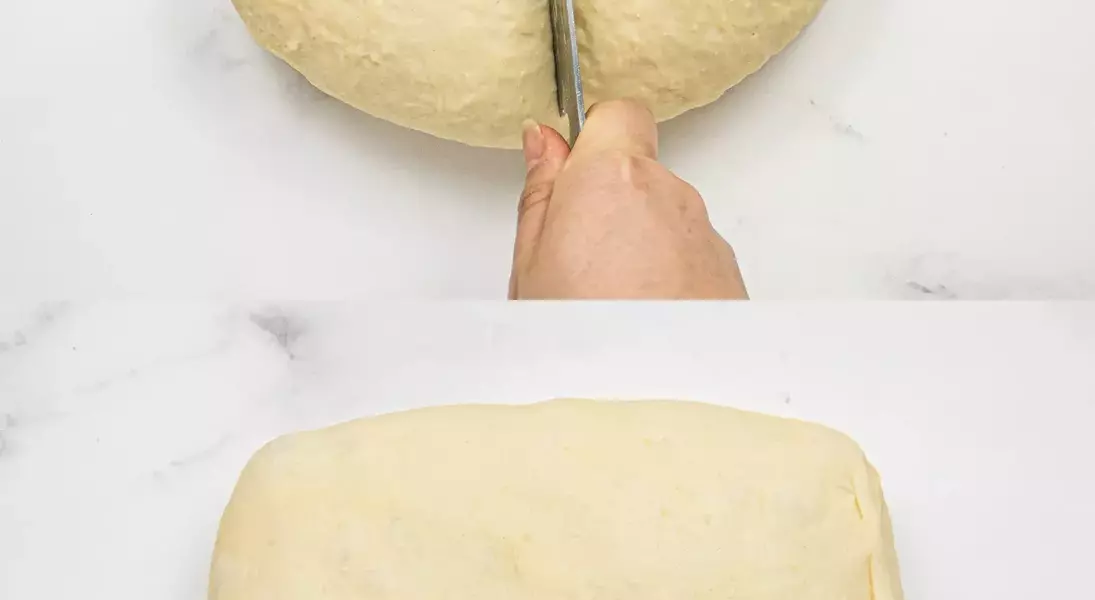
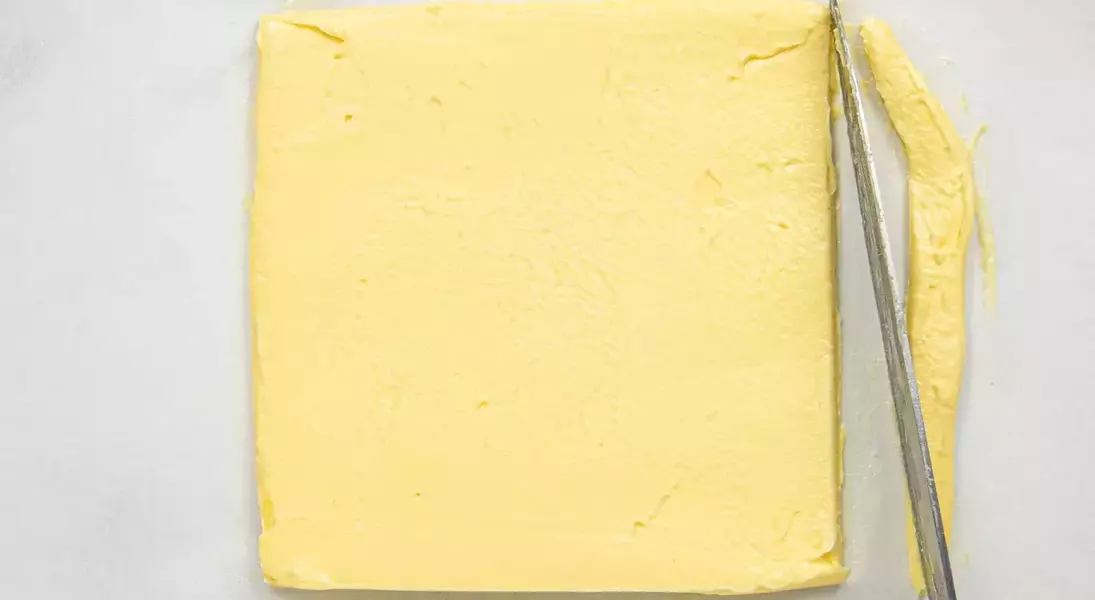
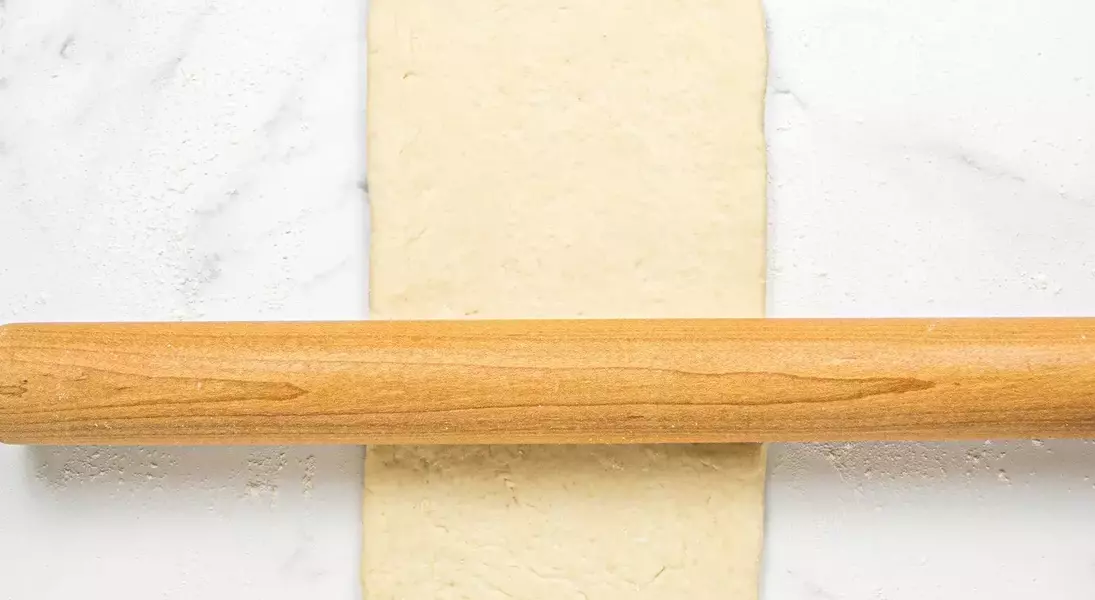
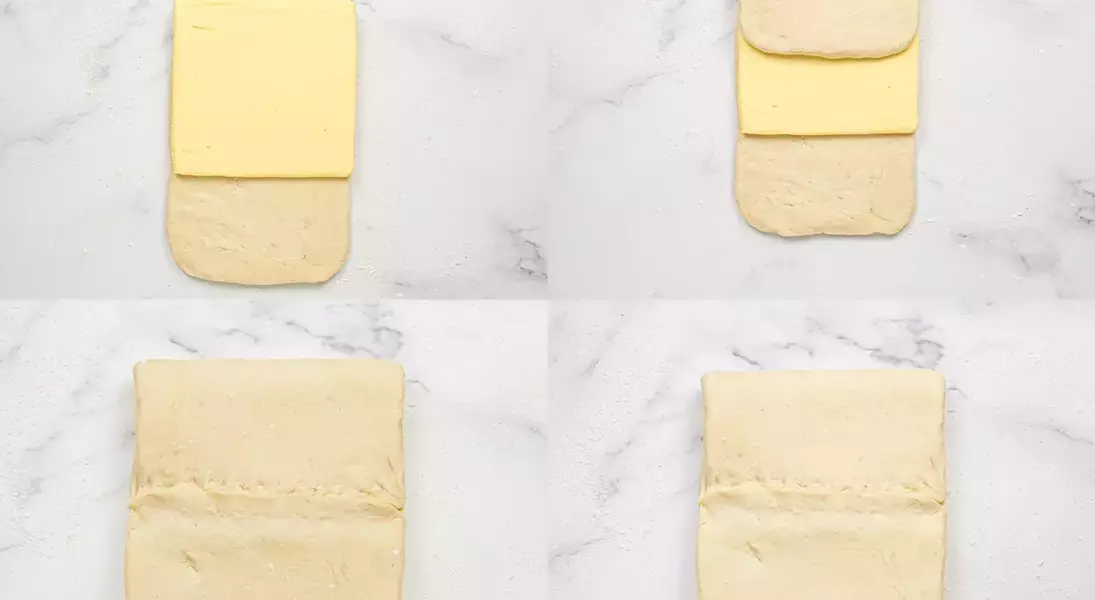
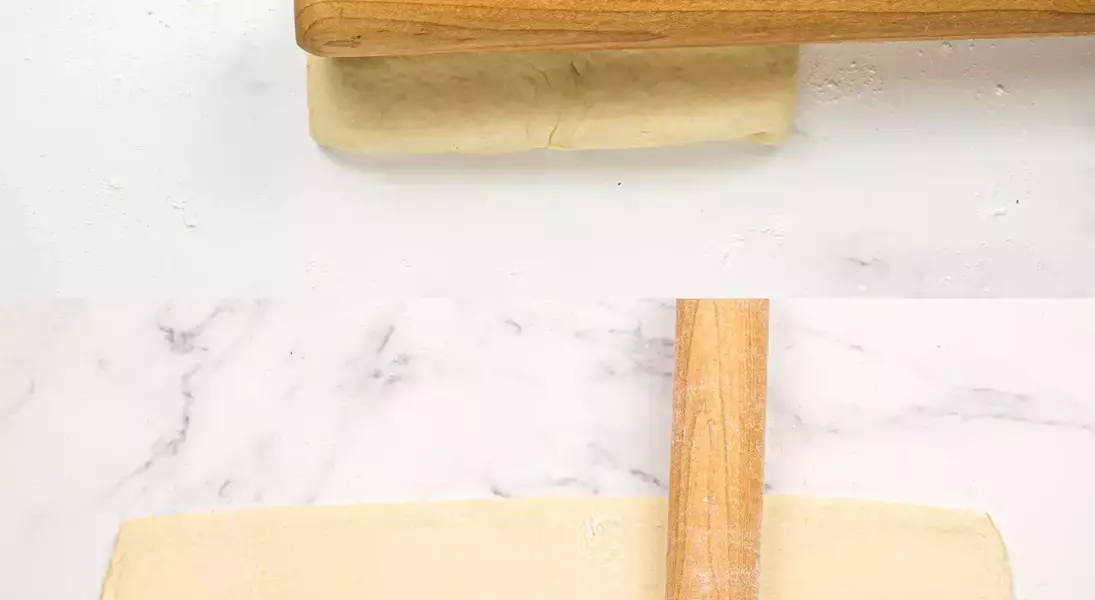
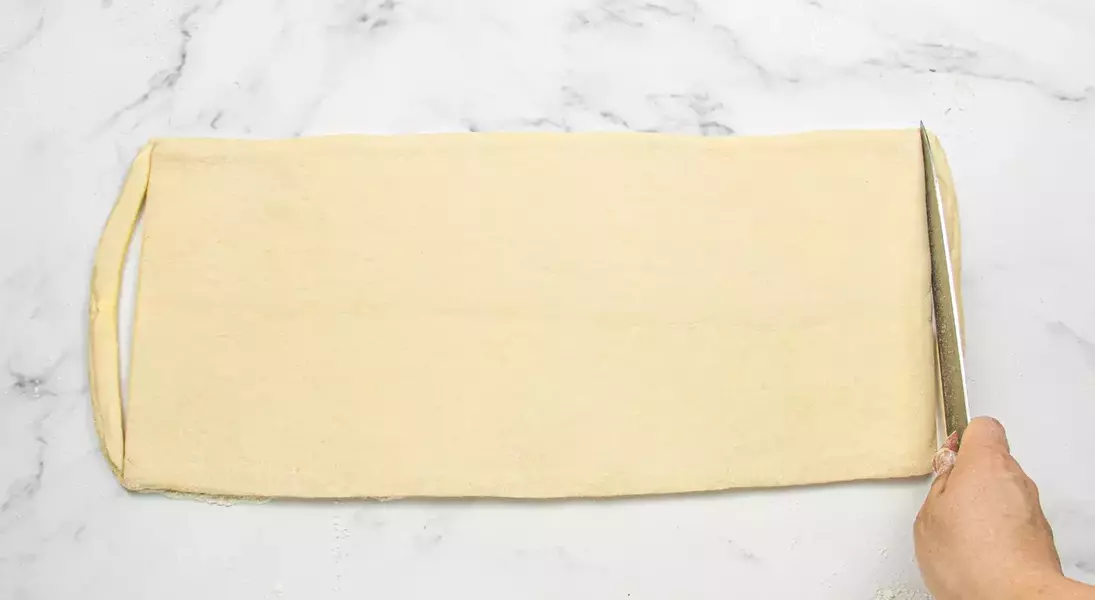
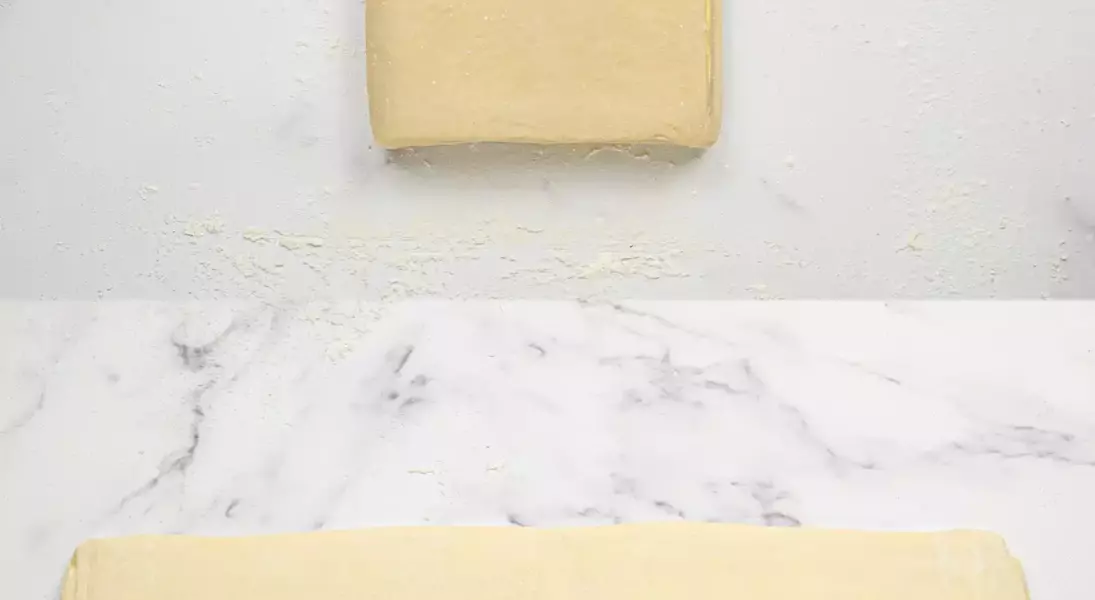
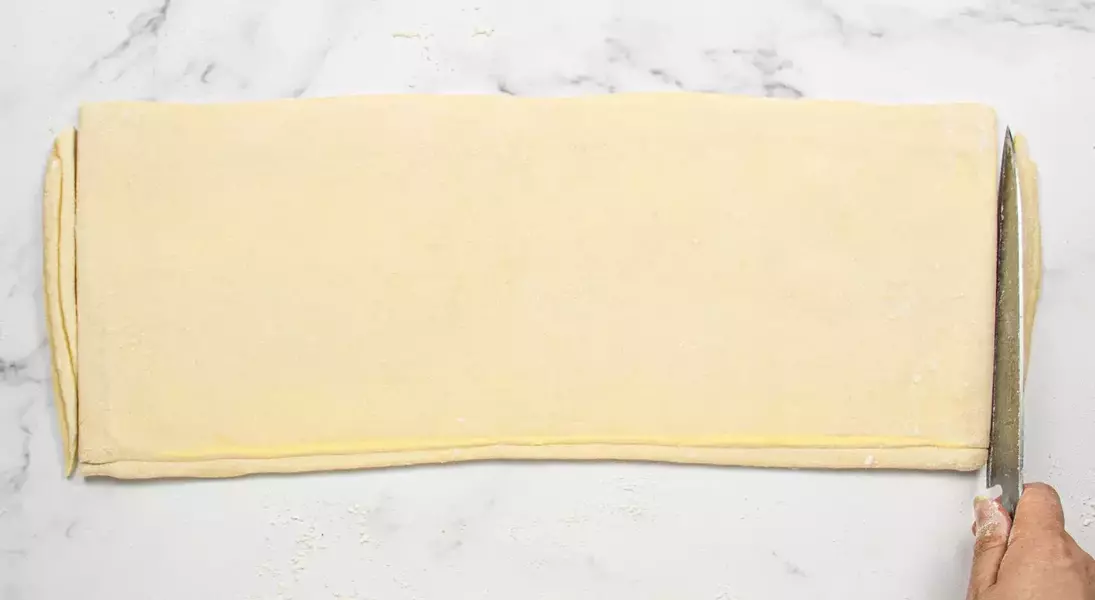
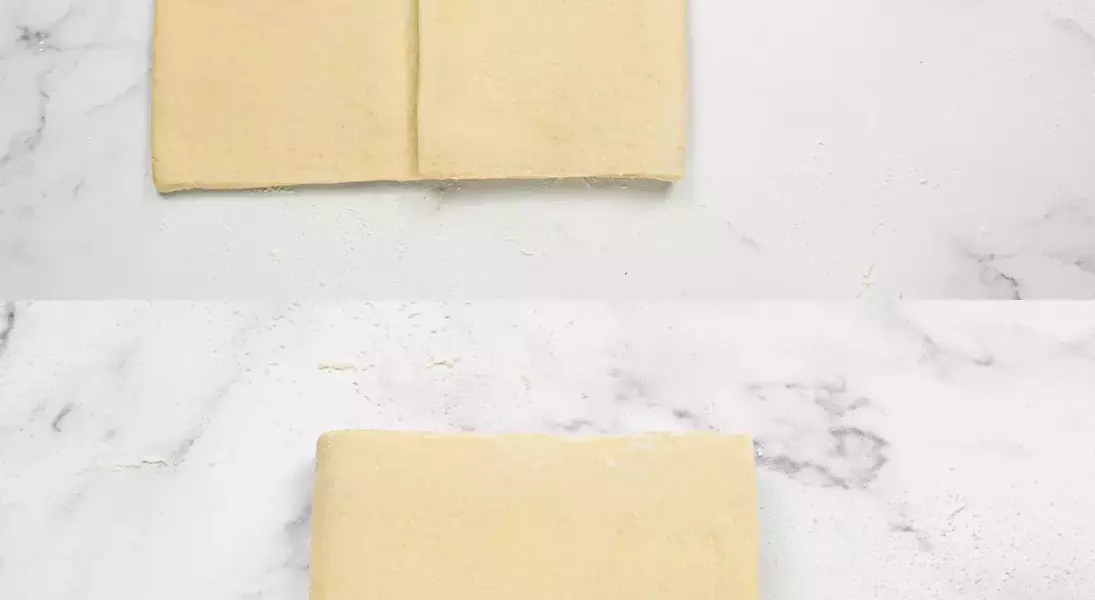
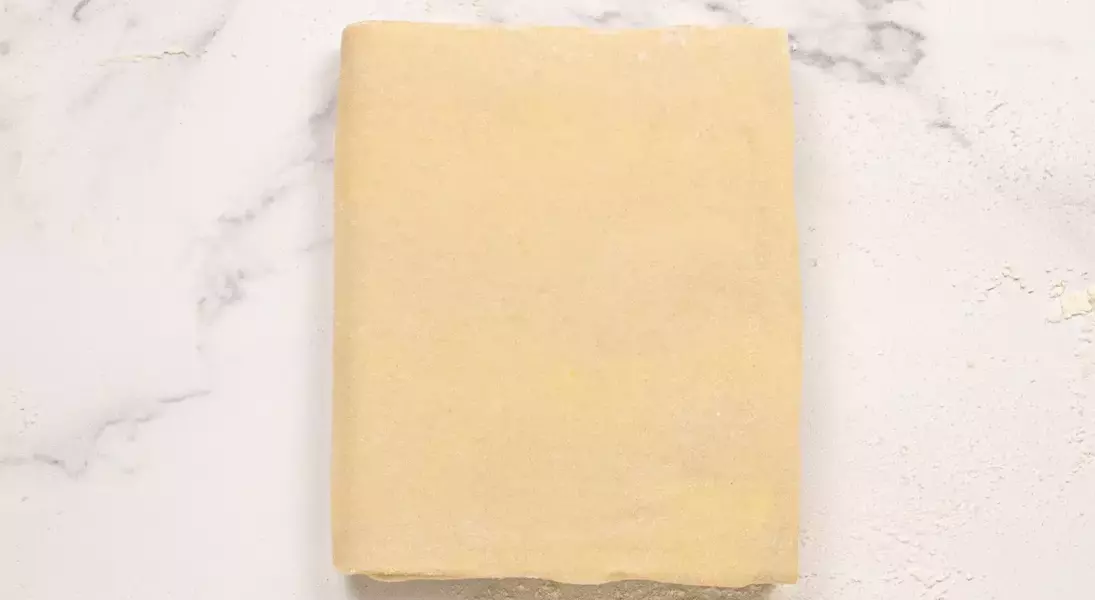
The foundation of a great croissant lies in lamination, the art of meticulously layering butter within dough. This process starts with the "détrempe," a yeast-leavened dough composed of flour, sugar, butter, salt, yeast, milk, and water. Unlike typical bread doughs, the détrempe requires minimal kneading to avoid excessive gluten development early on, which could hinder the dough's pliability during subsequent steps. After a brief initial rise, the dough undergoes a lengthy refrigeration period, allowing for slow fermentation and ensuring it remains chilled for optimal handling. The next crucial component is the butter block, prepared by flattening European-style butter (known for its higher fat content) between parchment sheets until it's uniform and pliable. This preparation is vital, as the butter's texture must closely match that of the dough to facilitate seamless layering. Once both the détrempe and butter block are ready, the lamination process begins with the "lock-in," where the butter is carefully enveloped by the dough. This is followed by a series of "turns," involving rolling out the dough and folding it like a letter, each turn multiplying the layers of dough and butter. This recipe advocates for three letter folds, resulting in an impressive 81 distinct layers, a balance chosen for ease of handling while still achieving a tender, flaky outcome. Between each turn, the dough must be chilled for extended periods to prevent the butter from melting and to allow the gluten to relax, making the dough manageable. The article emphasizes the importance of carefully dusting off excess flour during lamination to ensure proper adhesion between layers and prevent an undesirable bready texture.
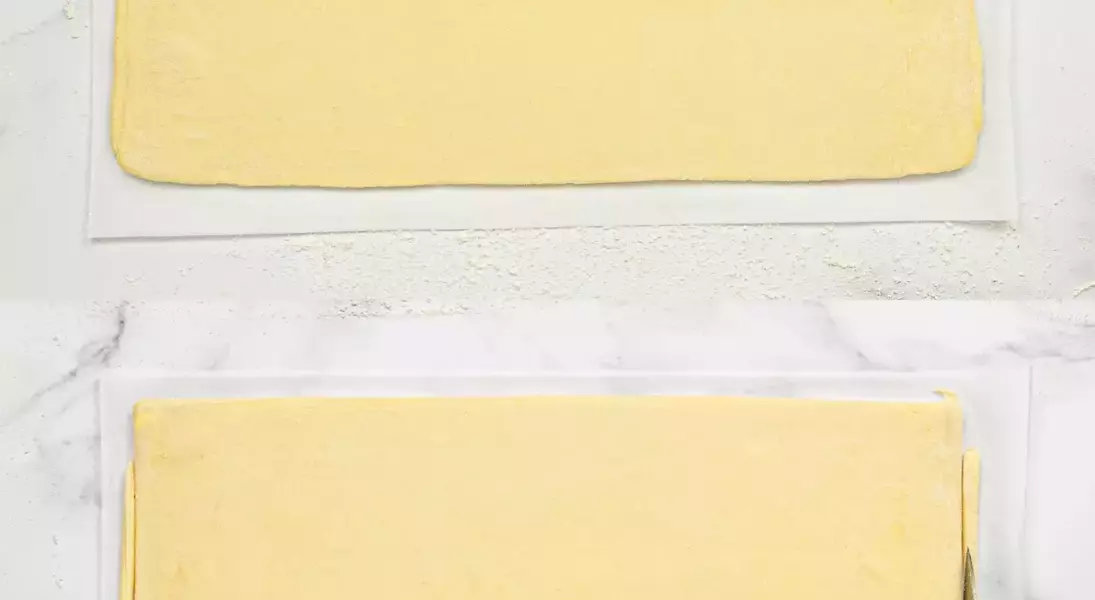
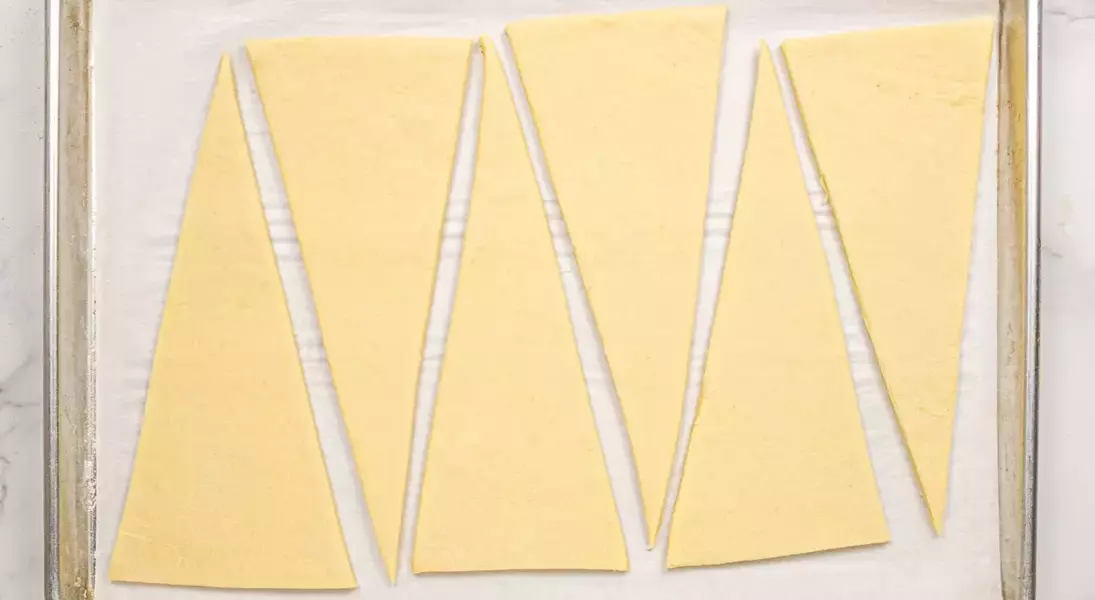
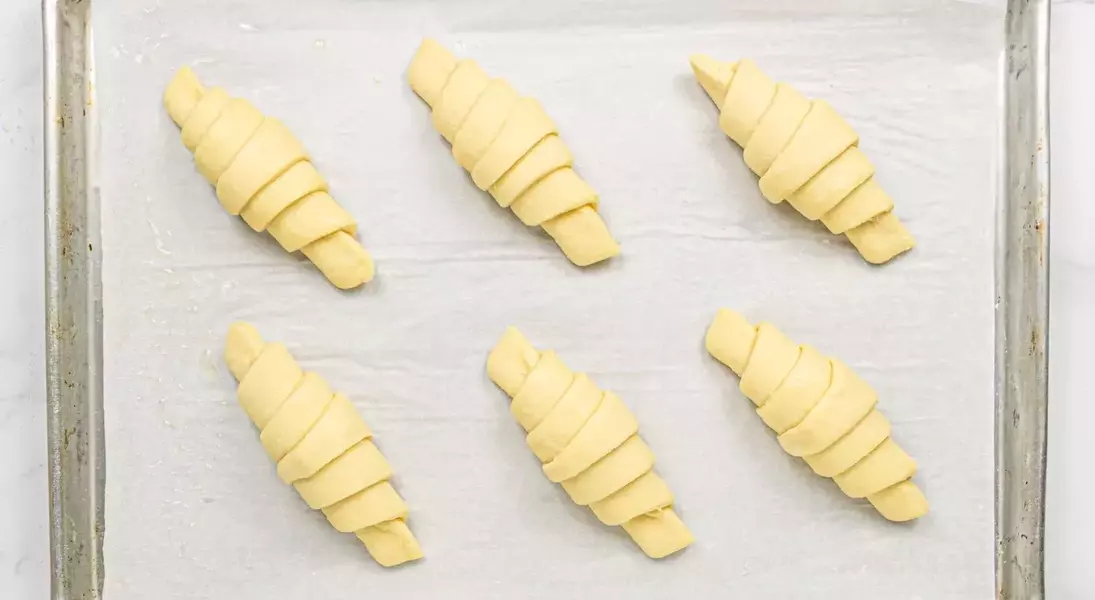
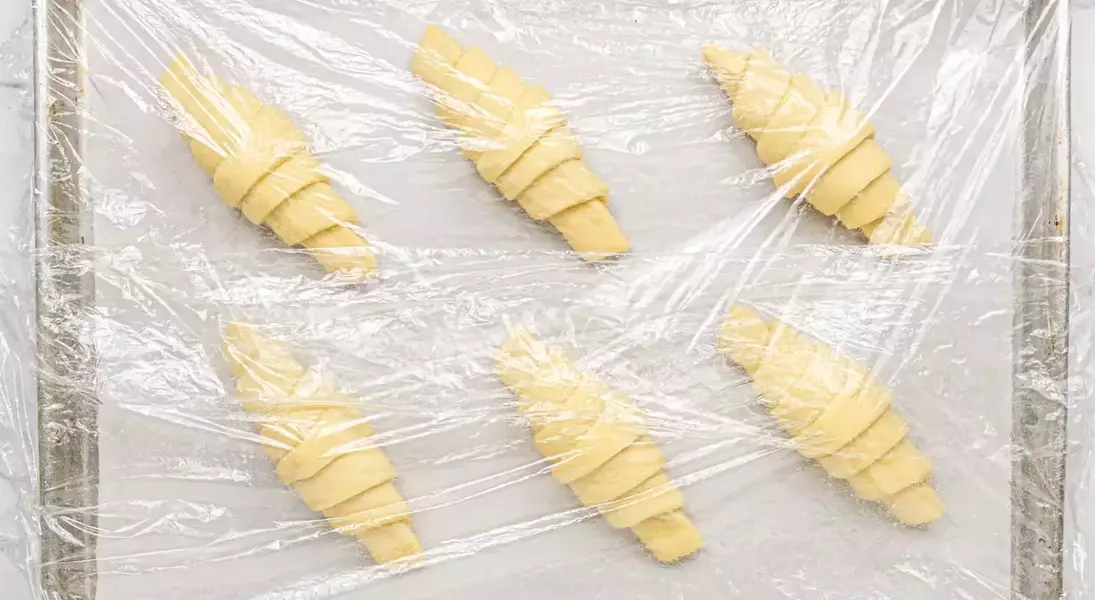
The journey culminates on the third day with the shaping, proofing, and baking of the croissants. After the final lamination stage, the dough is rolled out, cut into triangles, and meticulously shaped into crescent forms. The proofing stage is particularly critical and time-consuming, requiring several hours at a warm room temperature for the croissants to double in size and develop their internal honeycomb structure. Under-proofing can lead to dense pastries, while over-proofing can cause them to deflate. A visual and tactile inspection is recommended to determine optimal proofing. Finally, baking begins at a high temperature to achieve a dramatic oven spring and quickly set the pastry, followed by a reduced temperature to ensure thorough cooking and a rich, golden-brown crust, or "bien cuit." The use of high-protein all-purpose flour (11-12%) is also highlighted as essential, providing the necessary strength and elasticity for the dough to expand without tearing, a crucial factor in achieving the light, airy texture that defines a perfect croissant. The guide concludes with practical advice on storing baked croissants, recommending freezing for anything not consumed immediately to preserve their delicate crispness.
Creating delightful croissants at home is a rewarding, albeit time-intensive, endeavor that hinges on precision and patience. This recipe, perfected over years, is designed to empower home bakers to master the intricate lamination process. Key to success are the careful selection of ingredients, such as high-butterfat European butter and high-protein flour, which contribute significantly to the pastry's rich flavor and structural integrity. Adhering to the recommended three-day schedule, with ample chilling and resting periods between stages, ensures the dough remains workable and the layers develop properly. From the initial détrempe to the final golden bake, every step plays a crucial role in achieving the signature flaky, airy texture that makes homemade croissants so irresistible.
