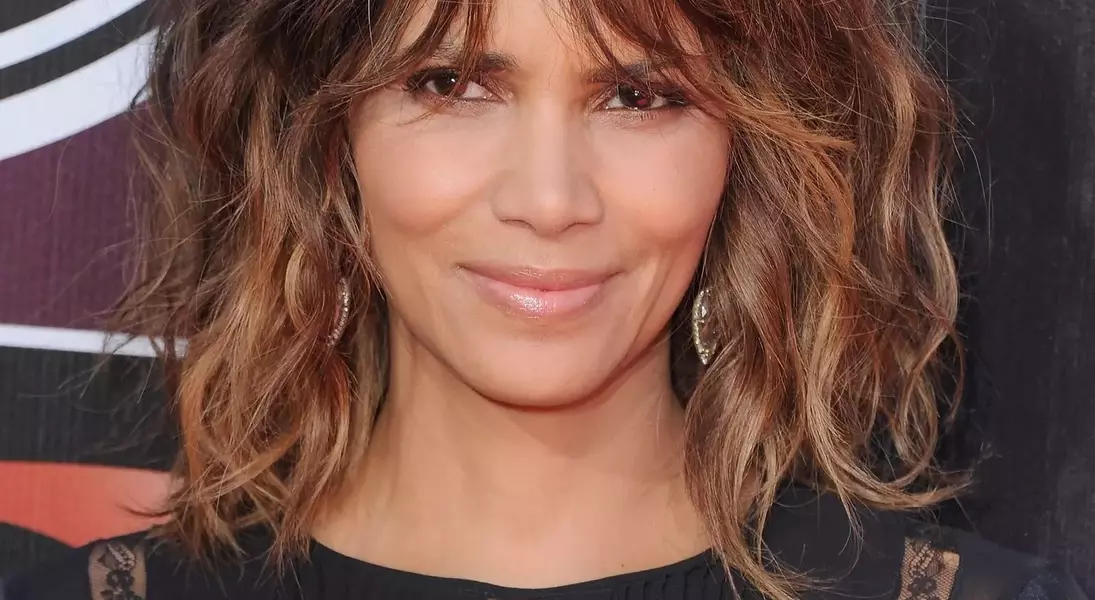
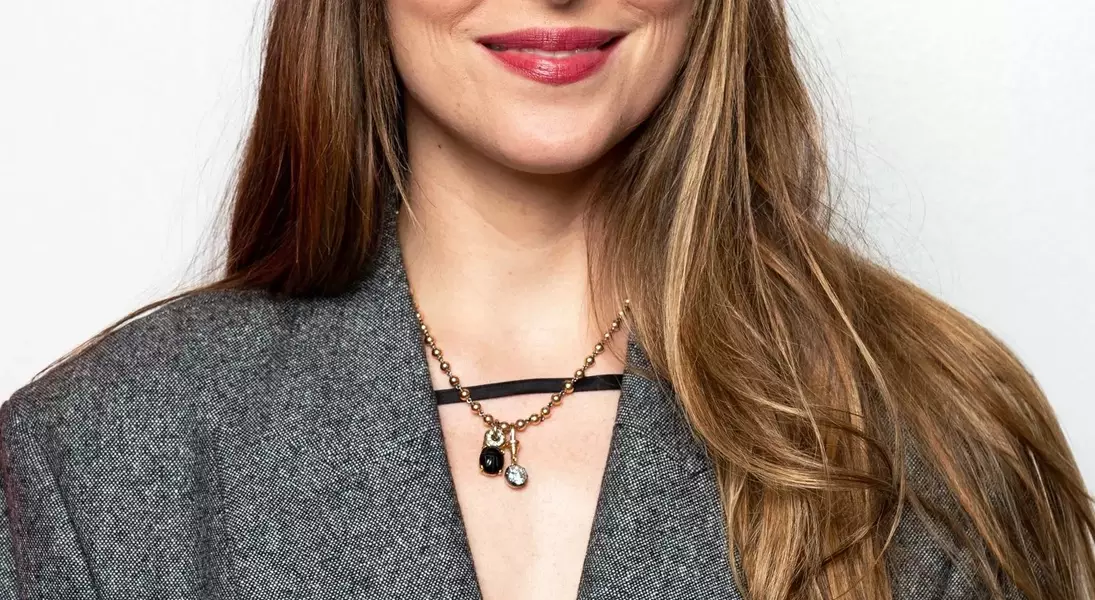
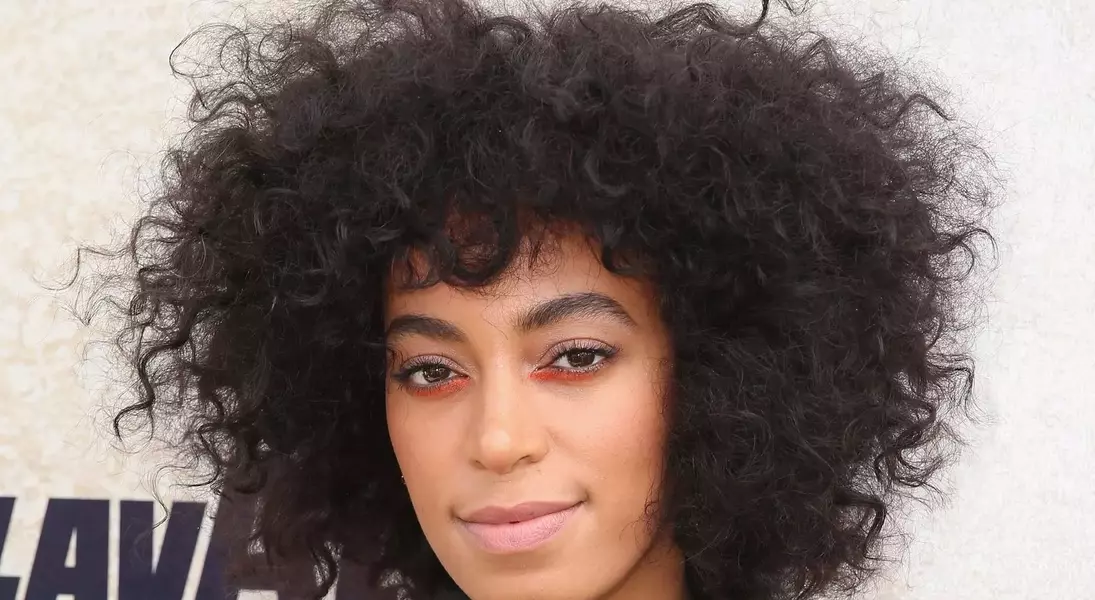
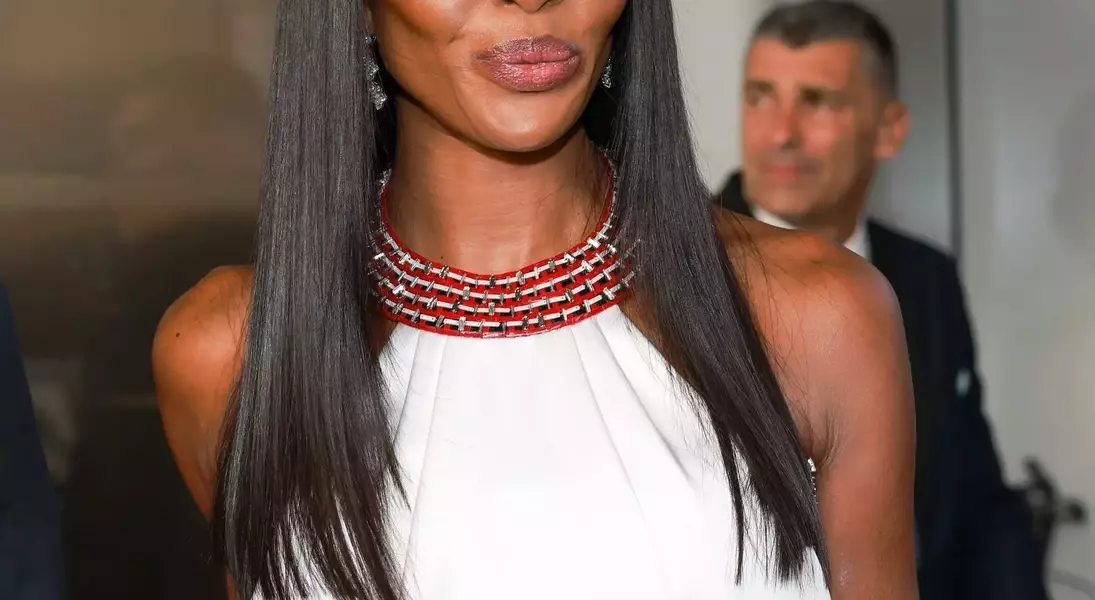
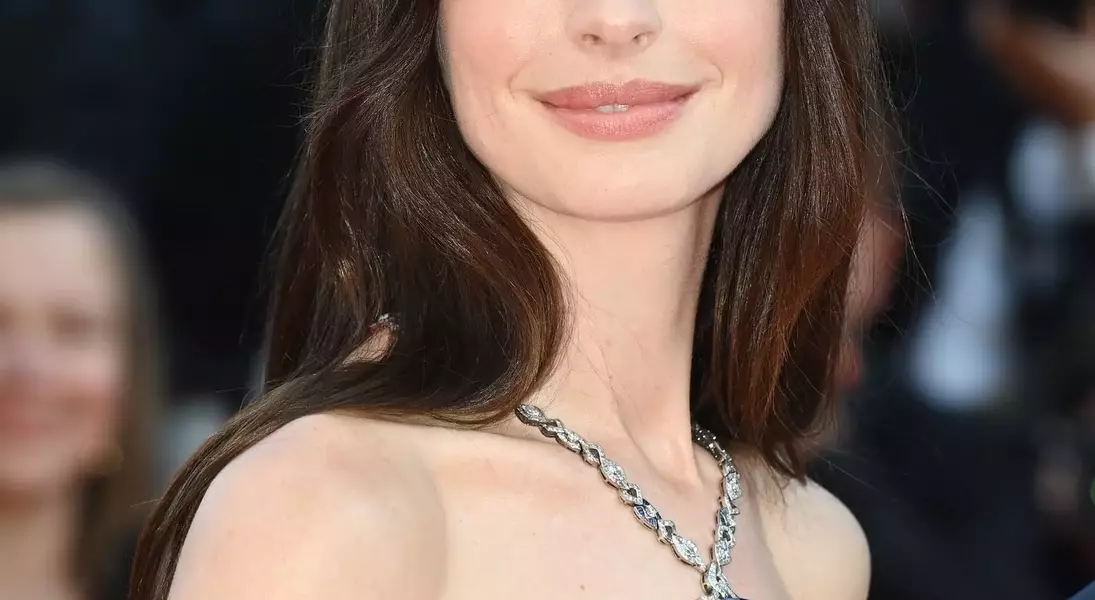
Bangs, or fringes, are experiencing a surge in popularity, captivating those seeking a fresh aesthetic. While the allure of bangs is undeniable, committing to such a distinct style often comes with apprehension. Concerns about suitability, daily styling, and the long grow-out period make careful consideration essential. This guide, informed by leading hair experts, delves into the art of selecting the perfect bangs tailored to individual features and maintenance preferences, ensuring a confident and stylish transformation.
Your Comprehensive Guide to Embracing Bangs
The decision to get bangs requires thoughtful deliberation. Firstly, collecting visual inspiration from various sources like Pinterest or magazines is crucial for defining your desired look. Subsequently, a consultation with a seasoned hairstylist, such as Larry King, becomes paramount. He emphasizes the importance of a personalized approach, asserting that most bang styles can complement anyone, provided they are expertly customized to individual facial contours. Paul Percival, founder of Percy & Reed, further advises considering hair texture and hairline, alongside the commitment to daily styling. He highlights the potential frustration for those with wavy hair who desire a blunt fringe but prefer a low-maintenance routine. Ultimately, a willingness to style and maintain bangs ensures their successful integration into your look.
Identifying your face shape is a foundational step in choosing the most harmonious bang style. Tools like Omni Calculator, a complimentary online resource, can assist by analyzing forehead width, cheek width, jawline, and face length. Issey Cook, a senior stylist at Larry King South Kensington, underscores that bangs are inherently bespoke, with their length, width, and thickness directly influenced by one's facial structure and features. As a general guideline, Percival suggests opting for styles that create a more oval appearance. He recommends thorough consultations with your stylist to articulate preferences clearly. For those hesitant about a permanent change, King's 'Fringe Bar' in London offers diverse options, while clip-in fringes provide a risk-free experimentation opportunity.
For heart-shaped faces, Percival suggests a half-moon fringe, which is shorter in the center and gradually lengthens towards the sides. Rounder faces benefit from styles that introduce length and elongation, such as grown-out or sweeping bangs, offering versatility. Long faces are best suited for elongated, grown-out fringes like curtain bangs or side-swept styles, maintaining a longer overall length. Square-shaped faces can soften their features with curtain bangs or textured, '70s-inspired fringes that blend seamlessly into soft layers. Oval faces enjoy the broadest range of options, from micro to blunt to grown-out, allowing for extensive creative expression.
While bangs offer a rejuvenating effect, they do demand consistent care. Cook reminds us that daily styling will likely take extra time and advises clients to request styling demonstrations from their stylists. For those mornings when bangs appear flat or greasy, a quick solution involves wetting or rewashing only the fringe section, saving time while ensuring a fresh appearance. Trim frequency varies with personal preference and bang type; longer styles are more forgiving, while blunt fringes typically require trimming every three to four weeks. However, bangs may not be suitable for everyone. Individuals with strong natural hairlines, particularly pronounced cowlicks, may find it challenging to achieve a solid, straight fringe due to natural separation. Similarly, very fine hair can present maintenance difficulties, making fringes a more demanding choice.
This detailed guidance aims to empower individuals to confidently embrace bangs, transforming their look with a style that perfectly complements their unique features and lifestyle.
