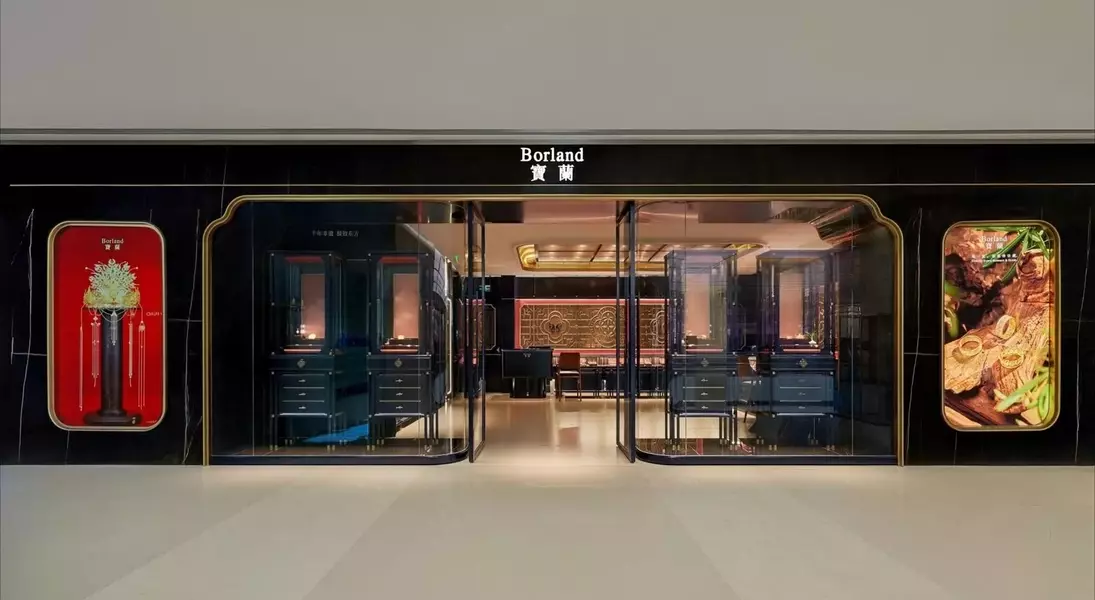
Kering Ventures, the investment division of the Kering Group, has recently announced its acquisition of a minority stake in Borland, a prominent Chinese jewelry enterprise. This significant development, confirmed on December 1st, underscores Kering's strategic focus on the burgeoning Chinese luxury market. Borland is particularly recognized for its exquisite 24-karat gold creations, which draw inspiration from traditional imperial craftsmanship. The investment comes at a pivotal moment when gold jewelry is witnessing a surge in popularity among young Chinese consumers, who are increasingly drawn to it for its aesthetic appeal, cultural resonance, and perceived stability as an asset in uncertain economic times. This trend reflects a broader shift in the luxury landscape, where Chinese brands are gaining recognition for their innovative designs and cultural depth, moving from peripheral players to central figures in defining luxury value.
The decision by Kering to invest in Borland is deeply influenced by what is being termed the “Laopu effect,” a phenomenon that has been significantly reshaping China's high-end jewelry sector over the past year. Laopu, another Chinese brand specializing in 24-karat gold, established in 2009, reported a remarkable revenue exceeding 12 billion RMB (approximately 1.7 billion USD) in the first half of 2025. Furthermore, its stock value has soared by an astonishing 2,300% since its debut on the Hong Kong Stock Exchange in June 2024. This dramatic success story illustrates the immense potential and rapid growth within China's domestic luxury market, particularly for brands that resonate with local consumer preferences and cultural narratives.
Kering's early engagement with Borland marks a definitive recognition that Chinese gold jewelry houses are no longer secondary players but are actively setting new benchmarks for luxury value creation. This investment is also integral to Kering's wider strategy for resetting its operations and presence in China. As part of this renewed approach, Kering recently revealed a strategic collaboration with Shanghai Fashion Week during last month's China International Import Expo (CIIE). This alliance aims to nurture and promote emerging Chinese designers, signifying a strategic pivot from merely extracting market value to actively participating in and contributing to China's cultural landscape. Under the leadership of its new CEO, Luca de Meo, Kering has been diligently working to revitalize its market momentum in China. The investment in Borland is a critical step in solidifying the group's connections with the country's vibrant cultural economy, especially during a period of significant transformation and opportunity.
This strategic investment by Kering Ventures into Borland highlights a crucial evolution in the global luxury sector. It demonstrates a clear understanding by international conglomerates of the unique dynamics and growing influence of the Chinese market. By aligning with a brand that embodies both traditional craftsmanship and contemporary appeal, Kering is not just investing in a company but also in the cultural narratives and consumer values that are shaping the future of luxury in China. This move signifies a deeper integration into the local ecosystem, fostering mutual growth and showcasing a commitment to genuine cultural exchange rather than just commercial expansion.
