For years, the mere mention of "Avatar" has sparked a universal query: are we discussing the blue-skinned inhabitants of Pandora or the last airbender with mastery over elements? This persistent ambiguity, a source of mild frustration for many in entertainment journalism, has now ignited an imaginative proposal: a direct fighting game sequel to the recently launched Avatar: Legends, reimagined in the vein of Marvel vs. Capcom. This concept, though initially appearing unconventional for a fighting game, draws parallels to previous genre surprises, such as Sephiroth's impactful debut in Super Smash Bros. Ultimate, demonstrating that unexpected crossovers are well within the realm of possibility.
The existing framework of Avatar: Legends, characterized by its intricate combat systems and support mechanics reminiscent of Marvel vs. Capcom's assist-driven chaos, provides a solid foundation for such a crossover. The game's reliance on 'Chi' and 'Chakra' meters, governing movement resources, defensive maneuvers, and powerful attacks, offers a versatile mechanic that can be adapted to accommodate the distinct abilities of both franchises. While the Na'vi's connection to their neural network of spirit energy, 'vitra,' might seem disparate, the core mechanical functionality of 'Chi' and 'Chakra' can be interpreted at a more fundamental level, facilitating seamless integration. A primary consideration, the vast height disparity between characters like the diminutive Toph Beifong and the towering Na'vi, is a non-issue within the fighting game genre, which has a rich history of incorporating characters with vastly different scales, including bears, four-armed giants, and space dragons, all battling on an even playing field.
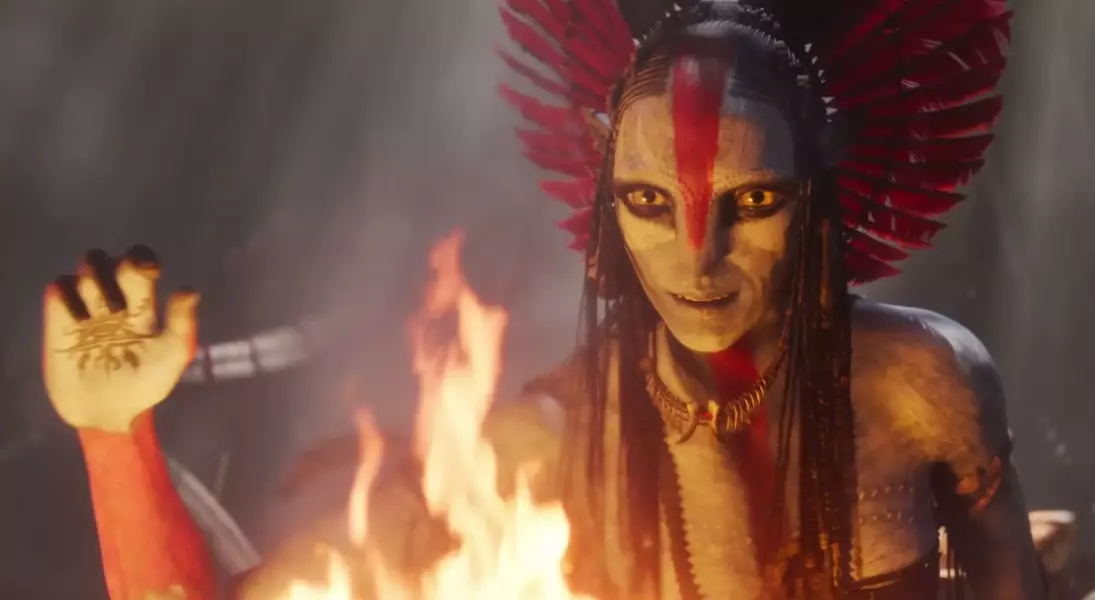
Imagining a roster for this ambitious crossover, the Na'vi characters, despite their potential limitations in elemental bending, could compensate with superior reach and power. Jake Sully, with his balanced skills, could serve as an ideal beginner-friendly character, wielding a bow for ranged attacks and a knife for close combat. Neytiri could embody a more agile fighter, excelling with her bow and arrow, while their daughter Kiri's strong connection to Eywa could translate into unique nature-based attacks, influencing flora and fauna. Even Colonel Miles Quaritch could join the fray, piloting an AMP suit as a formidable grappler, with a narrative twist allowing his return as his Recombinant self for a second round. Similarly, characters like Varang from Avatar: Fire and Ash, who manipulates flames and poison clouds without being a traditional firebender, could face off against Azula from The Last Airbender. The inherent variations in abilities among the blue people further enrich the potential for diverse gameplay. This conceptual game, perhaps titled Avatar x Avatar or James Cameron's Avatar All-Star Brawl, offers a solution to the long-standing confusion surrounding the two franchises, transforming it into an opportunity for thrilling, inter-universe combat and promising a steady stream of content with upcoming sequels and series.
This ambitious fusion of two distinct cinematic and animated universes into a single fighting game is more than just a playful concept; it's a testament to the boundless creativity that can emerge from perceived challenges. By embracing the unique strengths and characteristics of each Avatar franchise, and leveraging the flexible mechanics of the fighting game genre, we can transcend the simple question of "which Avatar?" and instead celebrate the rich tapestry of stories and characters they collectively offer. This imaginative crossover promotes a vision where perceived differences become sources of innovation and excitement, demonstrating that unity can be found even in the most unexpected of battles.
