The United Kingdom's recent local elections have sent ripples through its political landscape, marking a pivotal moment for Prime Minister Keir Starmer and his Labour Party. The party suffered considerable defeats, leading to widespread calls for Starmer's resignation. This electoral downturn signals a broader voter dissatisfaction with the current administration, attributed to economic instability, controversial appointments, and a concerning rise in antisemitism. Meanwhile, the right-wing populist Reform UK party, under Nigel Farage's leadership, celebrated significant advances, challenging the established political order. Other parties, including the Green Party and Plaid Cymru, also made their mark, illustrating a diversifying political scene that is moving beyond the traditional two-party system.
The electoral outcomes have underscored a deep-seated discontent among the British populace regarding the direction of the country under Starmer's leadership. Despite having come to power with his center-left Labour Party in July 2024, the subsequent two years have seen a decline in public approval. Key factors contributing to this decline include a struggling economy, a controversial ambassadorial appointment linked to Jeffrey Epstein, and an alarming increase in antisemitic incidents, which has been labeled a national emergency. These challenges have collectively eroded public trust and support, culminating in the recent electoral setbacks.
The local elections involved approximately 5,000 seats across 136 council areas. The Labour Party retained just over 1,000 seats, but critically, lost more than 1,100 previously held positions. In stark contrast, Reform UK garnered over 1,400 new seats, demonstrating a substantial surge in their influence. Other parties also saw growth: the Green Party added more than 300 seats, and the Liberal Democrats secured over 150. Even the Conservative Party, traditionally a major political force, experienced significant losses, ceding over 500 seats. These results, though from regional contests, undeniably conveyed a message of dissatisfaction with the ruling Labour Party's performance.
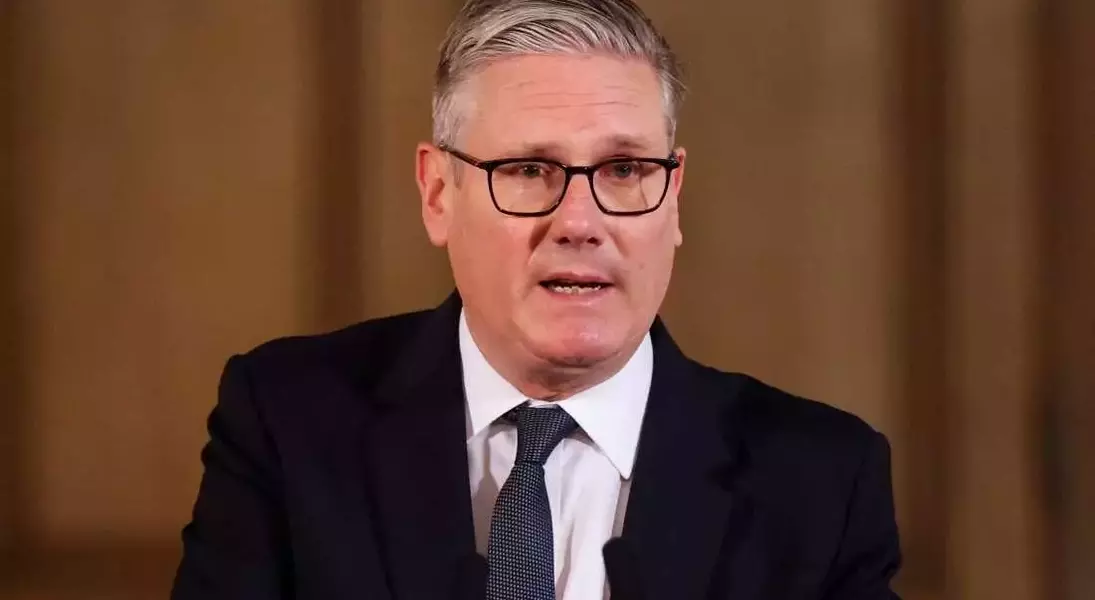
Despite the considerable pressure and calls for his departure, Prime Minister Starmer has expressed his commitment to remain in office. Acknowledging the difficult results, he stated his intent to lead the government into the next general election, viewing his administration as a "10-year project of renewal." Starmer emphasized that he would not step down and "plunge the country into chaos," signaling his determination to navigate the current political challenges.
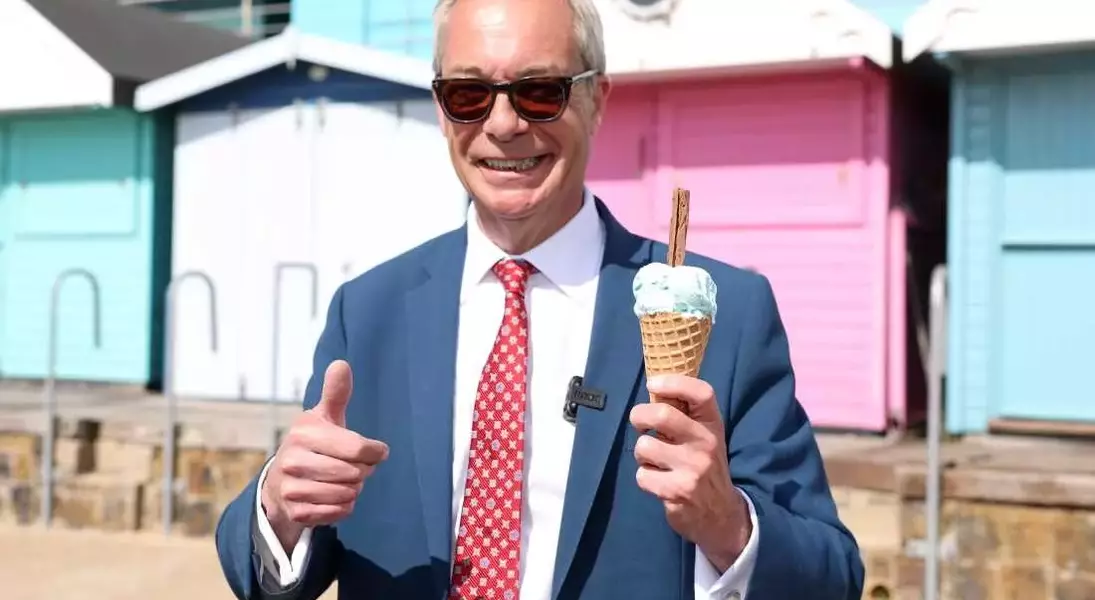
The success of Reform UK, particularly in areas like Essex, Havering, and Sunderland, indicates a growing appetite for populist movements. Nigel Farage, a key architect of the Brexit campaign and an ally of Donald Trump, has long championed an anti-immigration stance, which continues to resonate with a segment of the electorate. His party's gains, despite recent controversies surrounding personal donations, signify a shift in voter allegiances. Simultaneously, the Green Party's notable victories, especially in traditional Labour strongholds such as Hackney and Lambeth, highlight an increasing demand for more progressive policies, particularly among voters who perceive Labour as not being sufficiently forward-thinking.
Beyond England, the local elections in Scotland and Wales revealed further fragmentation. The Scottish National Party maintained its dominance in Scotland, securing the most seats for the fifth consecutive election. In Wales, a historical Labour stronghold, the party suffered a significant defeat, with the pro-independence Plaid Cymru party emerging victorious. This outcome means that all three regions outside England—Northern Ireland, Scotland, and Wales—will now be governed by nationalist, pro-independence parties. This trend underscores a broader narrative of a increasingly divided United Kingdom, where the established political order is being challenged by a multitude of parties vying for influence ahead of the next general election, scheduled before May 2029.
The recent elections have revealed a significant reshaping of the UK's political landscape. The traditional two-party system is clearly giving way to a more multi-faceted political environment, with various parties gaining ground at the expense of Labour and the Conservatives. This shift reflects a complex interplay of public discontent, evolving political ideologies, and growing regional aspirations, setting the stage for potentially transformative national elections in the near future.
