In an unexpected plea to its citizens, the United Kingdom's government is urging individuals to consider deleting obsolete digital files, such as old emails and photographs, as part of a broader effort to mitigate a severe and "nationally significant" water scarcity. This unusual suggestion underscores the escalating concern over water consumption, particularly the often-overlooked environmental footprint of digital infrastructure, including data centers, which require vast quantities of water for cooling and operation.
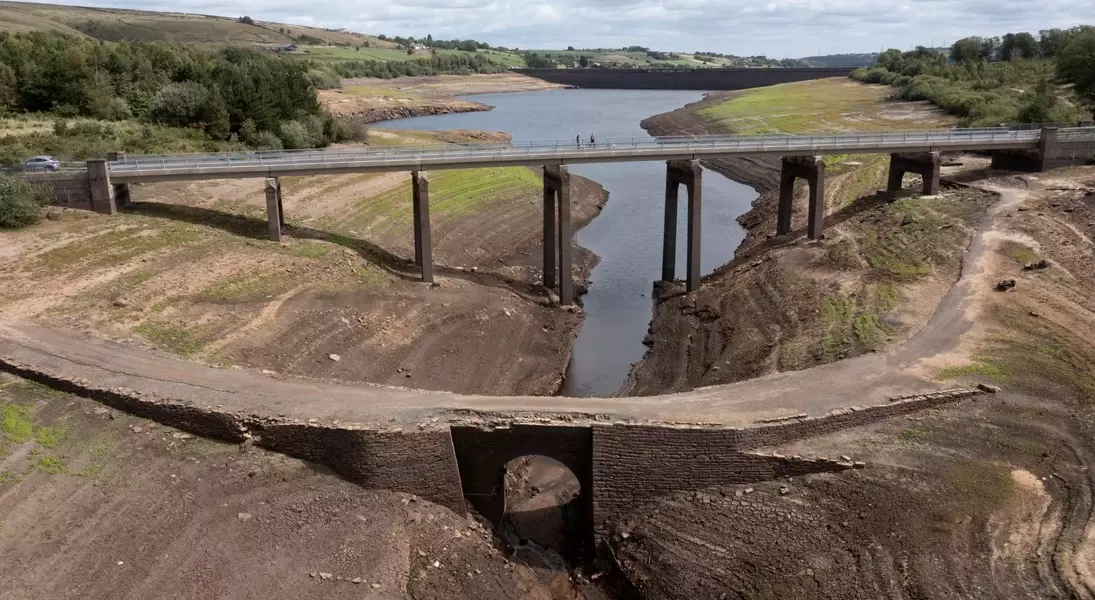
The call to action comes from the National Drought Group, an official body tasked with addressing the country's worsening drought conditions. Helen Wakeham, Water Director at the Environment Agency, highlighted that seemingly minor daily decisions, like turning off a running tap or decluttering digital storage, can cumulatively contribute to water preservation and safeguard natural water bodies and wildlife. This initiative follows a summer marked by the UK's fourth heatwave, exacerbating already critical dry conditions that have left five regions officially in drought and six others experiencing "prolonged dry weather."
While the tangible impact of individual digital file deletion on national water reserves is yet to be precisely quantified by authorities, the underlying issue points to the significant water demands of data centers. These facilities, essential for storing digital information and powering artificial intelligence, utilize considerable amounts of water, especially those relying on older, less efficient cooling systems. Estimates suggest a small data center might consume over 25 million liters of water annually through evaporative cooling methods. Tech giants are, however, actively exploring and implementing innovative solutions to reduce water usage, such as Microsoft's experimental underwater data centers and the use of fluorocarbon-based liquid immersion for server cooling.
Beyond the direct water consumption for cooling, the energy generation required to power these data centers also contributes indirectly to water scarcity. Traditional power plants, including those burning fossil fuels and nuclear reactors, rely heavily on water for cooling and steam production to drive turbines. Shifting towards renewable energy sources could alleviate this indirect water demand. The National Drought Group's outreach appears to have yielded some positive results, with areas like Severn Trent observing a 20 percent reduction in water demand after public awareness campaigns. Furthermore, addressing physical leaks, such as a dripping toilet, which can waste hundreds of liters daily, remains a critical aspect of water conservation efforts.
The current drought conditions in the UK are dire, with the six months leading up to July being the driest since 1976. This sustained period of low rainfall, combined with increased demand, has pushed the nation's water resources to a critical point. The government's innovative approach, which includes urging digital decluttering alongside more conventional water-saving practices, signals the severity of the crisis and the need for every sector and individual to contribute to conservation. It highlights a growing recognition that even seemingly intangible digital activities have a real-world environmental impact that must be addressed.
