In the evolving landscape of wearable technology, Fitbit remains a prominent name, continuously adapting its offerings to meet diverse user needs. This article provides a detailed examination of current Fitbit models, guiding potential buyers through the various options available in 2025, from sophisticated smartwatches to essential fitness bands and even devices designed for children.
Unlock Your Potential: Discover the Perfect Fitbit for Every Lifestyle
The Evolving World of Fitbit Under Google's Wing
As of 2025, the journey of Fitbit, particularly following its acquisition by Google, has been dynamic. While it continues to be a leading brand in health and fitness wearables, the integration with Google has brought about significant shifts. These changes include a move towards mandatory Google account logins for newer devices and an updated application interface. Despite some user concerns regarding these transitions and occasional service disruptions, Fitbit devices are still highly regarded for their comprehensive activity tracking and health monitoring capabilities, such as EKG and blood oxygen level measurements.
Evaluating Wearable Performance: Our Rigorous Testing Methodology
To ensure our recommendations are precise and reliable, we meticulously assess each Fitbit device. Our testing process involves real-world usage scenarios, including daily activities like walking and running, as well as specialized workouts. We also scrutinize technical aspects such as device compatibility with both iOS and Android platforms, overall durability, accuracy of data, and battery longevity. For products aimed at younger users, we gather feedback directly from children to provide a holistic review.
Optimizing Your Choice: Key Factors in Selecting a Fitbit
When choosing a Fitbit, several critical factors come into play. Battery life is paramount, with many models offering several days of use, though features like always-on displays can affect this. The array of features, from basic step counting to advanced EKG and stress tracking, varies across models, influencing their utility and cost. Price-effectiveness is also a major consideration, as Fitbits generally offer a more economical alternative to many smartwatches. Finally, we consider the target user, evaluating whether the design and functionality align with the needs of a casual user, a dedicated athlete, or a child, ensuring the device is both practical and comfortable.
The Pinnacle of Wearable Innovation: Google Pixel Watch 3
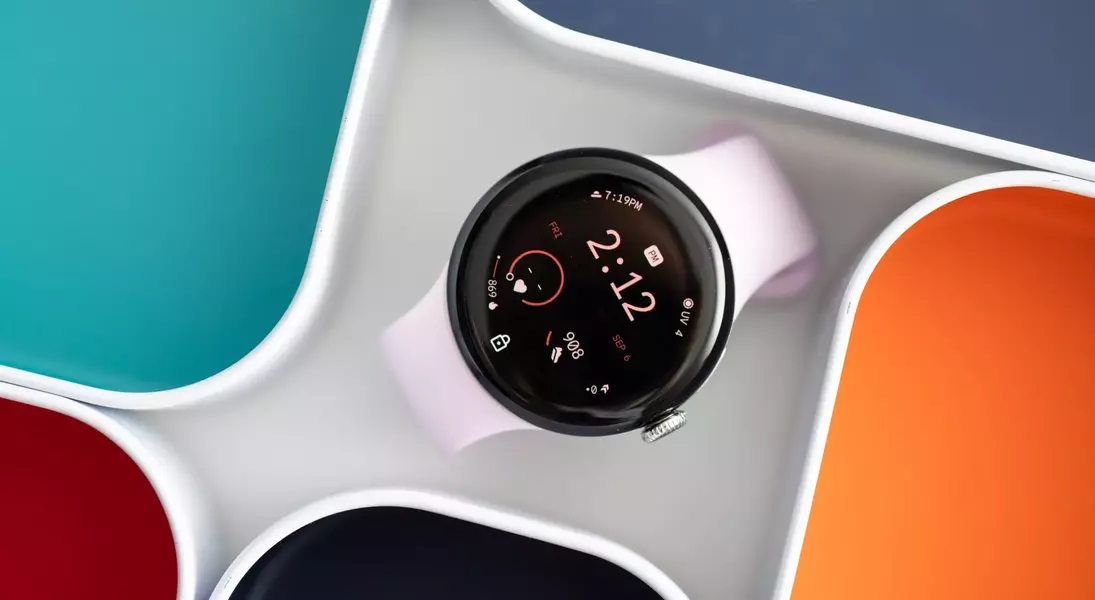
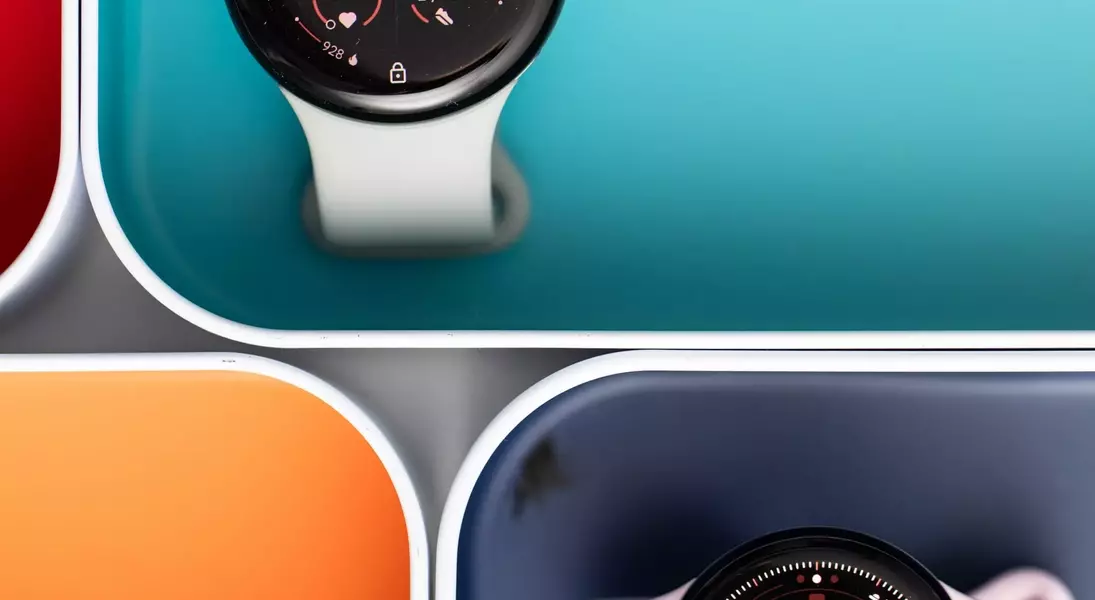
The advent of the Pixel Watch has redefined Fitbit's position in the smartwatch market. Now in its third iteration, the Pixel Watch 3 symbolizes the seamless integration of Google's technological prowess with Fitbit's health-tracking expertise. This latest model boasts enhancements like a brighter display, reduced bezels, and a new 45mm size option, making it more accommodating for diverse wrist sizes without sacrificing its sleek, watch-like aesthetic. While it shares core internal components with its predecessor, the addition of an ultra-wideband chip enhances its connectivity with other Google devices and select car models. Its robust health features include advanced running metrics, a new Cardio Load score similar to Garmin's, and the integration of Google Gemini for AI-powered assistance.
Affordable Wellness: The Fitbit Inspire 3
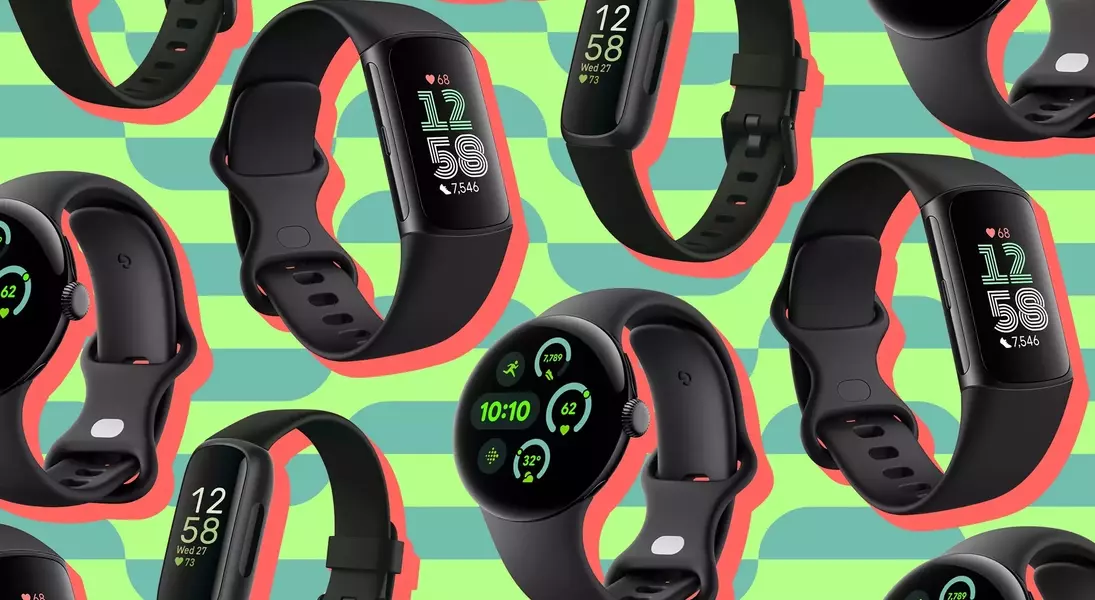
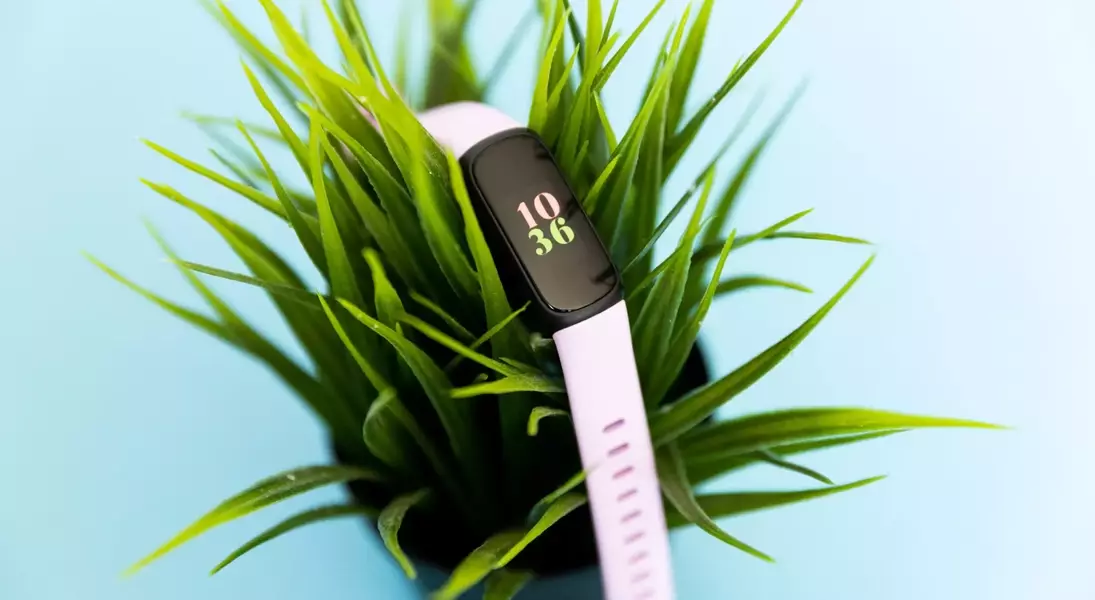
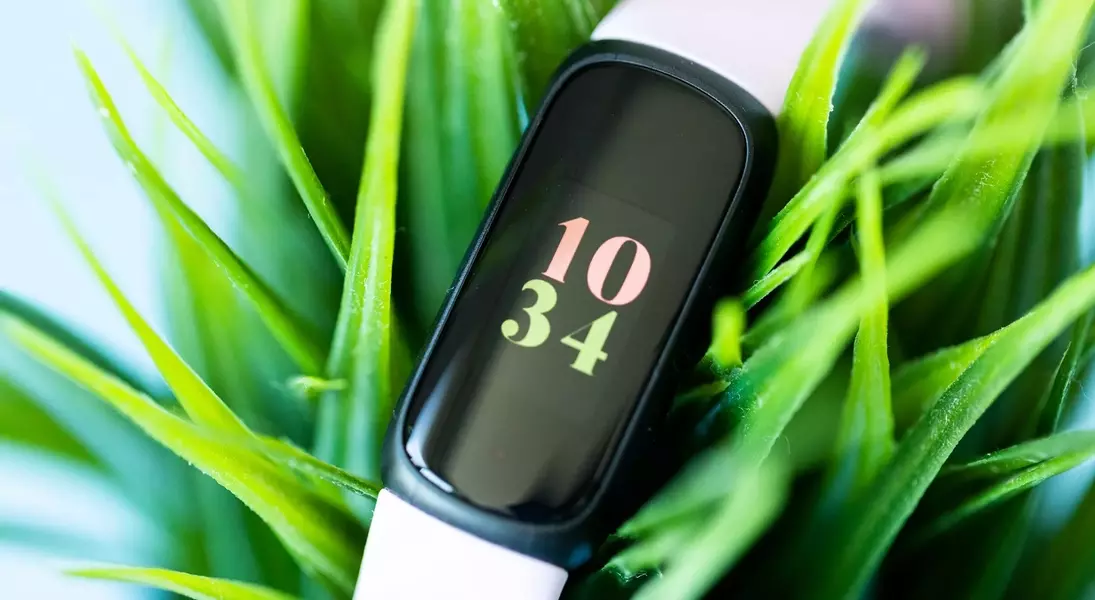
For those seeking essential fitness tracking without a hefty price tag, the Fitbit Inspire 3 stands out. This budget-friendly device, priced at under $100, features a vibrant color OLED display and retains the lightweight design characteristic of the Inspire series. While it foregoes advanced smartwatch functionalities like GPS or mobile payments, it excels in fundamental activity and sleep monitoring, along with stress management and irregular heart rate notifications. Its impressive battery life, lasting up to 10 days (though less with the always-on display), makes it a practical choice for everyday wellness tracking.
Advanced Tracking for the Everyday Athlete: The Fitbit Charge 6
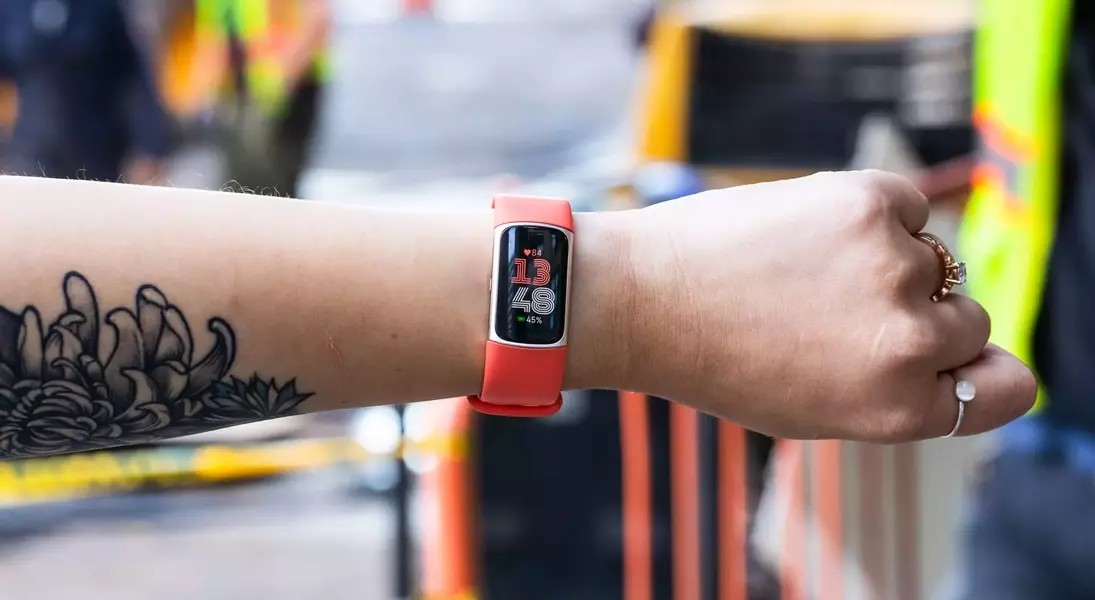
The Fitbit Charge 6 is positioned as a sophisticated fitness band that rivals many smartwatches in its feature set. It incorporates a color OLED screen, EKG and EDA sensors, built-in GPS, and NFC payment capabilities. Notably, it's one of the few FDA-cleared EKG wearables available at its price point, offering significant value. While its always-on display impacts battery life, its comprehensive health and fitness tracking, along with new features like heart rate broadcasting to gym equipment and enhanced app integration, make it a compelling option. The shift to a haptic button further refines user interaction, offering a more reliable experience than previous inductive designs.
Nurturing Young Explorers: The Fitbit Ace LTE
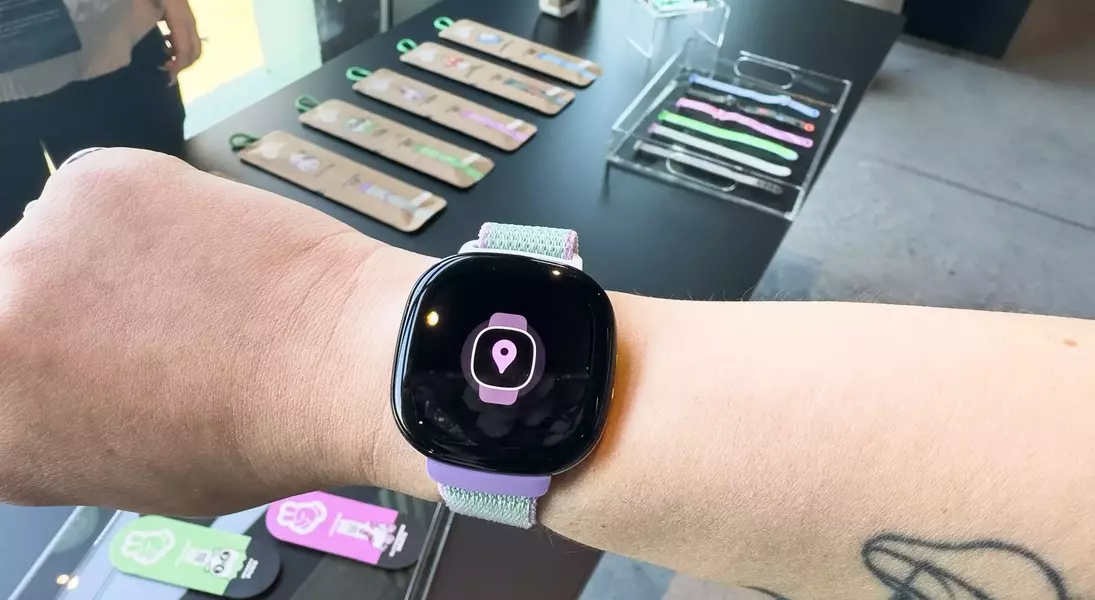
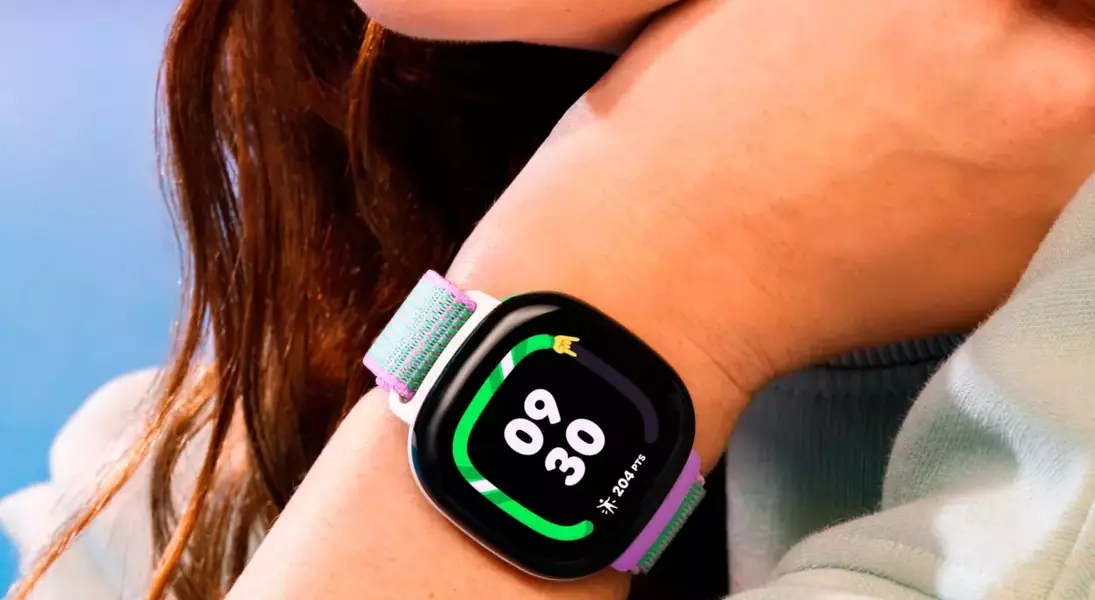
Designed for younger users, the Fitbit Ace LTE transcends the traditional fitness tracker role, serving as a smart companion for children. This device emphasizes "active minutes" through engaging games and activities that promote physical movement, allowing kids to customize digital avatars and their virtual homes. With a monthly subscription, it offers essential communication tools, including voice and text messaging to pre-approved contacts, and real-time location tracking for parental peace of mind. Its durable, cross-platform design and integration with family group chats make it a unique and thoughtful wearable solution for children aged 7 to 11.
The Future Outlook: Fitbit's Path Forward
The future of Fitbit is intricately linked with Google's broader ecosystem. While the transition has presented some challenges, including changes to community features and internal reorganizations, Google appears committed to evolving its wearable technology. Upcoming Pixel Watch releases, with rumored improvements in charging speed and battery life, suggest a continued investment in high-end devices. For consumers, this means a dynamic market where current Fitbit offerings remain competitive, but patience may be rewarded as the integration matures and new models emerge. The decision to purchase now or await future developments depends on individual priorities regarding current features versus anticipated advancements and ecosystem stability.
