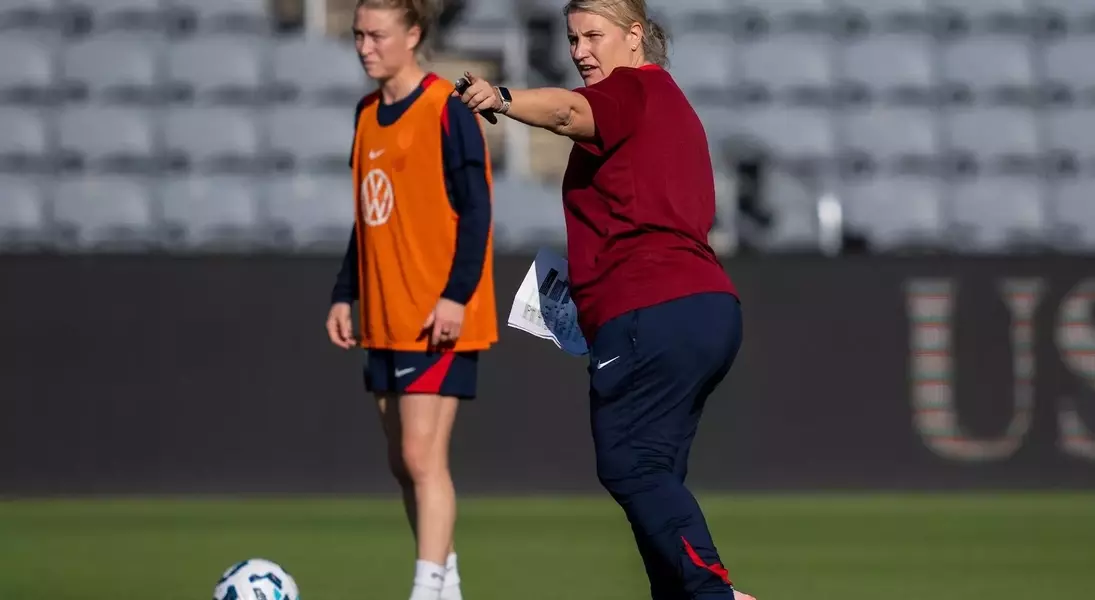
In a significant adjustment to its winter training schedule, U.S. Soccer has decided to relocate and postpone the January training camps for both the Women’s National Team and its Future Camp for emerging talent. This decision comes in response to the devastating wildfires affecting Southern California, ensuring player and staff safety remains paramount.
Details of the Rescheduled Training Camps
In the midst of an uncertain environment caused by ongoing wildfires, U.S. Soccer has opted to shift the training camps to Fort Lauderdale, Florida. The new venue will be the prestigious Florida Blue Training Center, home to Inter Miami CF. Originally scheduled to commence on January 14th, the camps will now begin on January 17th and conclude on January 23rd. This change accommodates 50 players across both the senior and developmental squads.
The move was announced by Matt Crocker, U.S. Soccer’s Sporting Director, who emphasized the importance of prioritizing safety. "Given the unpredictable conditions in Southern California, we felt it was necessary to relocate," Crocker explained. He also expressed heartfelt sympathy for those impacted by the wildfires and acknowledged the invaluable efforts of first responders and volunteers.
Interestingly, the timing of these camps aligns with the ongoing preparations of the Men’s National Team, which is currently training at the same facility ahead of their match against Venezuela on January 18th. The women’s teams will begin their sessions as the men wrap up theirs, creating a unique opportunity for cross-team collaboration and support.
This relocation underscores the adaptability and commitment of U.S. Soccer to provide optimal training environments while maintaining the highest standards of safety and care for all participants.
From a journalist's perspective, this situation highlights the resilience and flexibility required in sports management. It serves as a reminder that even in the face of unforeseen challenges, organizations can pivot to ensure the well-being of athletes and staff. The swift response and coordination between U.S. Soccer and Inter Miami demonstrate the power of collaboration during times of crisis. Additionally, it offers a poignant reflection on the broader impact of natural disasters and the importance of community support in overcoming adversity.
