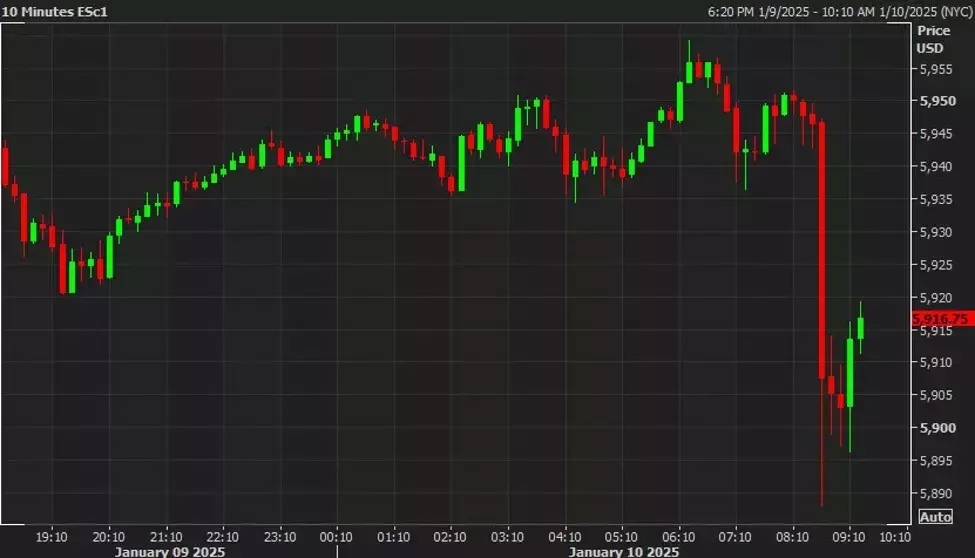
As the trading day dawns, investors are navigating a mix of economic indicators and corporate earnings that are shaping market sentiment. The S&P 500 futures have dipped slightly, reflecting cautious optimism amid rising yields and strong employment figures. Despite these challenges, certain sectors are demonstrating resilience, with notable gains in retail and aviation. This article delves into the complexities of the pre-market landscape, highlighting key factors and standout performers.
Unlocking Opportunities Amidst Market Volatility
Market Sentiment and Economic Indicators
The pre-market activity reveals a delicate balance between positive economic signals and investor concerns. The rise in 10-year Treasury yields to their highest level since November 2023 has raised eyebrows, particularly as it coincides with robust job growth. Investors are now weighing the implications of these developments on corporate profitability and overall market stability. The initial dip in S&P 500 futures, down by 0.7%, is a testament to this cautious approach. However, there are signs of resilience, with some traders taking advantage of lower prices to buy into the market.This period of volatility presents both risks and opportunities. While rising yields can signal economic strength, they also increase borrowing costs for businesses and consumers. Companies with heavy debt loads may face tighter financial conditions, potentially impacting their ability to invest in growth initiatives. On the other hand, sectors like technology and healthcare, which tend to benefit from stable economic environments, could see increased investor interest as they offer defensive plays against potential downturns.Retail Sector Resurgence: Walgreens Leads the Charge
One of the most striking developments in the pre-market is the surge in Walgreens' stock, up an impressive 15%. This performance is driven by better-than-expected earnings and a surprising uptick in sales. The company's success underscores the resilience of the retail sector, particularly in the face of changing consumer behaviors and competitive pressures. Walgreens has managed to navigate these challenges through strategic investments in digital platforms and customer experience enhancements.The retail sector's resurgence is not limited to Walgreens alone. Other retailers are also showing signs of recovery, benefiting from shifting consumer preferences and the normalization of post-pandemic shopping habits. For instance, e-commerce giants are leveraging advanced analytics to personalize shopping experiences, while brick-and-mortar stores are focusing on creating immersive in-store environments. These efforts are paying off, as evidenced by improved sales figures and higher consumer engagement.Airline Industry Soars on Trans-Atlantic Demand
Another bright spot in the pre-market is the airline industry, with Delta leading the charge alongside other carriers. The sector's performance is fueled by a surge in trans-Atlantic travel demand, signaling a return to pre-pandemic levels of international travel. Airlines are capitalizing on this trend by optimizing routes, enhancing services, and introducing new offerings to attract both business and leisure travelers.The rebound in the airline industry reflects broader economic trends, including increased consumer confidence and pent-up demand for travel. As more countries ease travel restrictions and vaccination rates continue to rise, airlines are well-positioned to capitalize on these favorable conditions. Moreover, advancements in sustainable aviation technologies are poised to reduce operational costs and improve environmental performance, further strengthening the sector's long-term outlook.Investor Strategies in a Volatile Market
For investors navigating this volatile environment, diversification remains a key strategy. By spreading investments across different sectors and asset classes, investors can mitigate risk while positioning themselves to capture potential gains. The current market dynamics highlight the importance of staying informed about economic indicators and corporate performance, as these factors can significantly influence investment outcomes.In addition to diversification, active management and tactical adjustments can enhance portfolio performance. Investors should consider rebalancing their portfolios periodically to align with changing market conditions. For example, increasing exposure to defensive sectors during periods of uncertainty or reallocating assets towards high-growth industries when economic prospects improve. By adopting a flexible and adaptive approach, investors can navigate the complexities of the market with greater confidence.