
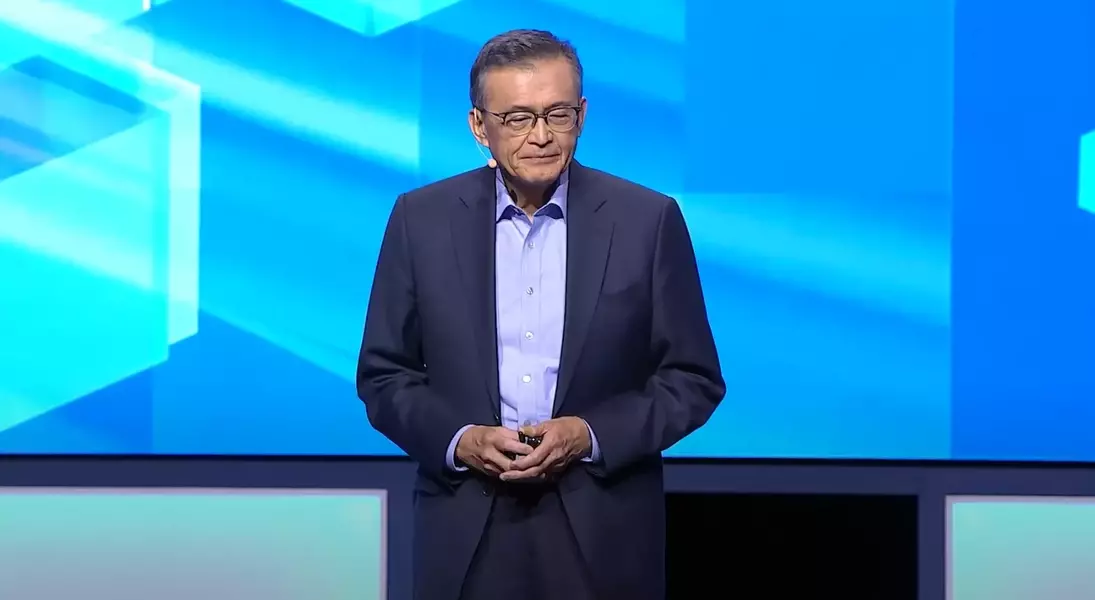
This article details an ongoing investigation by TSMC into a former high-ranking employee, Lo Wen-jen, who transitioned to Intel after retirement. The probe focuses on potential intellectual property transfer, a concern echoed by Taiwanese officials due to TSMC's critical role in the global semiconductor industry. Intel has denied any impropriety, while the broader context involves Intel's efforts to reassert its dominance in chip manufacturing amidst heightened geopolitical interest in technological self-sufficiency.
Allegations and Denials: The Chip Industry's Latest IP Battle
TSMC Launches Probe into Ex-Executive Joining Intel
Taiwan Semiconductor Manufacturing Company (TSMC) initiated an inquiry last week concerning Lo Wen-jen, a former vice president of corporate strategy. Lo, who retired from TSMC in July, has since taken a position at Intel. Having dedicated over two decades to TSMC, Lo was significantly involved in advancing the mass production of chips for the Taiwanese chipmaking behemoth.
Intel Rejects Claims of Trade Secret Acquisition
As reported by Bloomberg, Intel has refuted accusations that Lo Wen-jen's recruitment was an attempt to illicitly obtain trade secrets from TSMC. Intel's Chief Executive Officer, Lip-Bu Tan, explicitly stated to Bloomberg that these were merely "rumor and speculation" and emphasized Intel's respect for intellectual property rights.
Taiwanese Authorities Express National Security Concerns
The Ministry of Economic Affairs in Taiwan, through its minister Kung Ming-hsin, has indicated its cooperation with prosecutors in this matter. Kung Ming-hsin reportedly affirmed that the ministry would elucidate the existing control mechanisms for Taiwan's critical technologies and assess any potential implications for national security laws, highlighting the broader governmental interest in protecting TSMC's technological edge.
Current Status of the Investigation
As the investigation is still in its preliminary stages, no formal indictments or specific allegations have been presented against Lo Wen-jen or Intel. The situation remains under review by the relevant authorities.
TSMC's Pivotal Role in Global Semiconductor Technology
TSMC holds a dominant position in the semiconductor industry, particularly in advanced node process technology. As one of Taiwan's largest corporations, it plays a crucial role in the worldwide technology landscape, manufacturing chips for major companies like Nvidia and AMD. Even Intel, while producing many of its chips in-house, relies on TSMC for certain products.
Intel's Past Challenges and Future Aspirations
Intel previously led the chip manufacturing sector but faced setbacks in recent years, particularly following delays with its 10 nm process technology (now referred to as Intel 7). The company is currently focused on its upcoming 18A process node, with its former CEO having staked the company's future on it. Intel has also garnered renewed backing from the U.S. government and companies such as Nvidia, aiming to revitalize its manufacturing capabilities and strengthen domestic chip production, particularly given the U.S. government's interest in increasing its stake if Intel's manufacturing division falters.
Significance of Node Process Technology and Ongoing Ambiguity
A primary concern for TSMC and Taiwanese officials revolves around safeguarding their leadership in node process technology. A smaller node process directly translates to higher transistor density, enabling more powerful and energy-efficient chips. Losing this technological advantage could severely impact TSMC's market position. The ultimate outcome of the investigation, whether it reveals actual impropriety or serves as a strategic move by TSMC to deter future attempts at intellectual property acquisition, is yet to be determined.
