In the rapidly evolving landscape of technology, artificial intelligence is frequently hailed as a transformative force destined to reshape numerous industries. Major players in the gaming sector, such as Ubisoft and Electronic Arts, have publicly expressed their enthusiasm for AI's potential to revolutionize game development, with some even viewing it as pivotal as the transition to 3D graphics. However, amidst this fervent embrace of AI, a critical perspective emerges from a prominent figure in the voice acting community, raising important questions about the future role of human artistry.
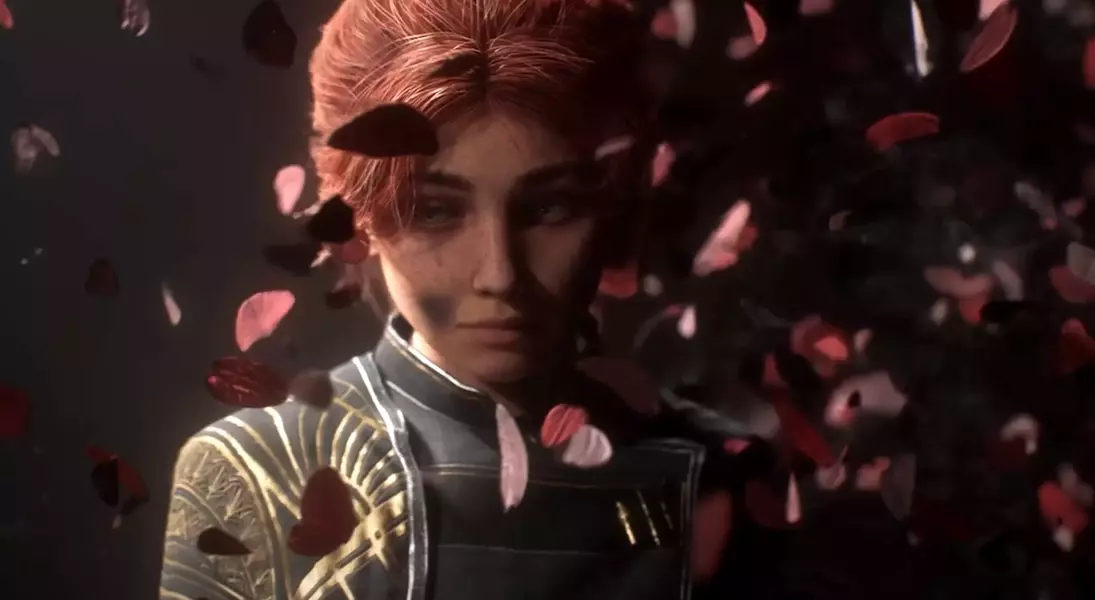
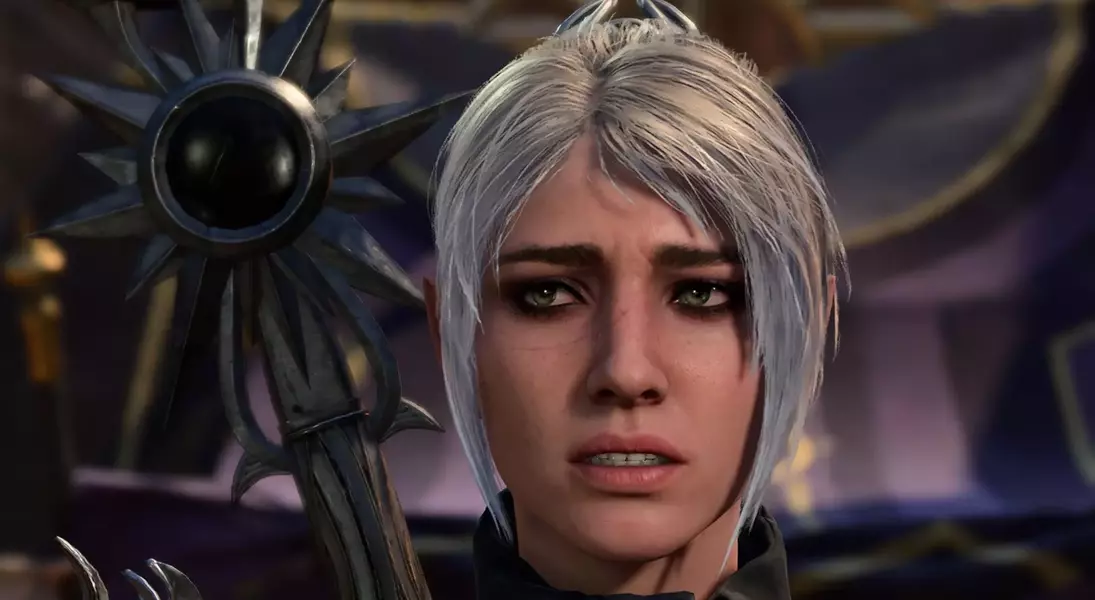
Jennifer English, celebrated for her roles as Shadowheart in Baldur's Gate 3 and Maelle in Clair Obscur: Expedition 33, offers a cautionary stance on integrating generative AI into games. During a recent interview, English unequivocally advised against the overreliance on AI in creative processes. She acknowledges AI's utility as a tool but firmly draws a line when it comes to replacing human creativity, highlighting the inherent beauty in human imperfections and the necessity of preserving the 'human touch' in artistic endeavors. Her sentiments resonate with concerns previously articulated by fellow voice actors, including Amelia Tyler and Andrew Wincott, who have voiced apprehension regarding job security and the ethical implications of AI voice cloning.
The debate surrounding AI in creative industries often pits technological advancement against human artistic integrity. While executives and investors frequently tout AI's efficiency and cost-saving benefits, the creative community, particularly voice actors, consistently champions the unique value of human contribution. English's call for game companies to leverage 'beautiful, creative, human brains' underscores a broader appeal to prioritize authentic human expression and narrative depth, fostering a more genuine and impactful connection with audiences.
The burgeoning discussion around AI's role in creative fields encourages us to consider the long-term impact on art and employment. As we navigate the complexities of technological progress, it is crucial to uphold the irreplaceable essence of human creativity. Embracing new tools while safeguarding artistic integrity ensures that innovation serves to enhance, rather than diminish, the rich tapestry of human expression. This balance allows for growth that is both technologically advanced and deeply meaningful to the human experience.
