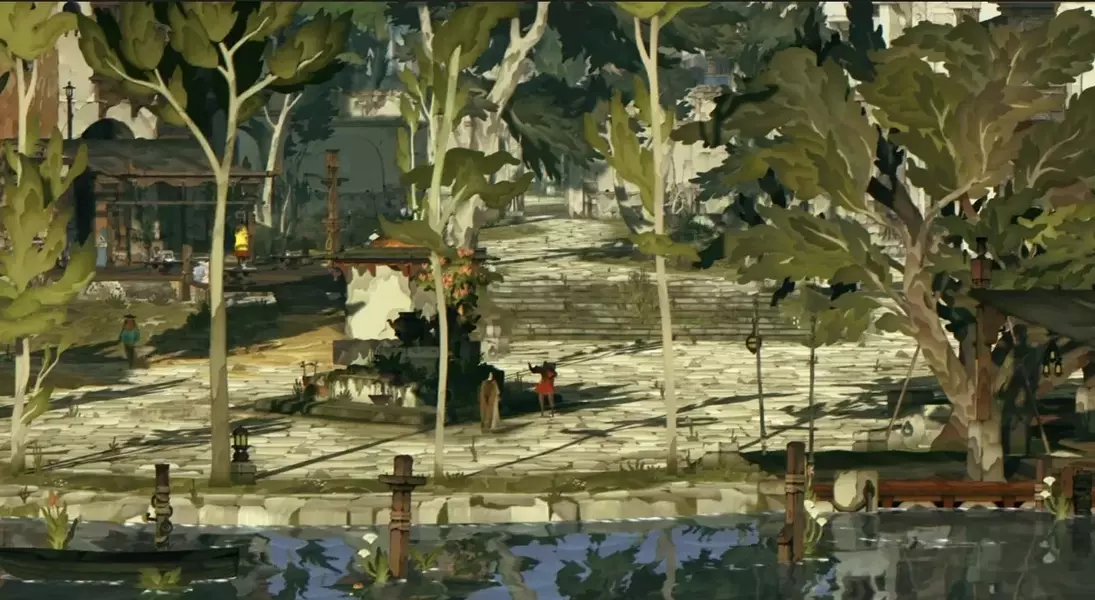
"Book of Travels," a distinctive small-scale massively multiplayer online game, embarked on an unexpected journey, transforming from a struggling live-service title into a single-player role-playing experience. Initially celebrated for its captivating art style and meditative gameplay, the game encountered the harsh realities of the competitive gaming industry, particularly the challenges of sustaining a new MMO. Despite its unique appeal, which offered a serene, painting-like world for players to explore through activities like fishing and bartering, the development studio, Might and Delight, grappled with low player counts and financial pressures. This led to the difficult decision to cease its online operations, a move that often spells the end for many games. However, in a commendable pivot, the developers chose not to let their creation fade into obscurity, instead opting to re-imagine it as an accessible, mod-supported offline game.
This transition marks a significant moment in game preservation, offering a blueprint for how cherished digital worlds can continue to exist beyond their initial commercial viability. The conversion of "Book of Travels" into a single-player RPG, available at a reduced price and enhanced with solo-friendly adjustments and modding capabilities, ensures that its artistic vision and unique gameplay remain accessible to a broader audience. This strategic shift not only extends the life of the game but also provides a poignant example of developer resilience and commitment to their creative work. It's a testament to the idea that even when the original business model proves unsustainable, innovation and adaptability can forge new paths for games to thrive and be appreciated by current and future generations of players, turning a potential loss into a remarkable story of rebirth and artistic endurance.
A Unique Vision's Encounter with Industry Realities
"Book of Travels" debuted as a small-scale MMO, captivating players with its exquisite hand-drawn aesthetics and serene gameplay that encouraged exploration and cooperation without the pressures of traditional online gaming. Described by its creators as an experience akin to "Animal Crossing" or "Journey," it emphasized an open-ended, meditative journey within a scheduled world, fostering magical player encounters through the absence of text chat. This distinctive approach aimed to offer a refreshing alternative to the often-toxic environments of many online games, cultivating a niche but dedicated community that appreciated its quiet charm and artistic integrity.
Despite its critical acclaim for originality and artistic merit, "Book of Travels" faced the inherent difficulties of sustaining an MMO in a competitive market. Low player engagement and the subsequent financial strain made ongoing development challenging, preventing the game from ever emerging from early access. This led to the difficult but ultimately forward-thinking decision by Might and Delight to transition the game from an online multiplayer experience to a single-player RPG. This move, while bittersweet for some of its initial fanbase, ensured the preservation of its unique world and gameplay, transforming a potential lost gem into an enduring, accessible title for future players to discover and cherish.
From Online Struggle to Single-Player Salvation
The decision to convert "Book of Travels" into a single-player experience, priced at an affordable $4.99 from its original $29.99, represents a proactive step towards game preservation and accessibility. This strategic pivot involved adjusting the game mechanics to fully support solo play and, crucially, integrating mod support. The latter empowers its dedicated community to extend the game's life and customize their experience, ensuring that the unique world crafted by Might and Delight can continue to evolve and remain vibrant long after its official servers cease operation on July 31st. This innovative approach allows the game's core artistic and narrative strengths to shine through, unburdened by the complexities and costs of maintaining a live online service.
This transformation is a testament to the developers' unwavering commitment to their vision, offering a "far better outcome than having 'Book of Travels' disappear forever." By making the game more accessible and adaptable, Might and Delight has not only salvaged their creation but also set a precedent for how developers can navigate the challenges of the gaming industry to ensure their artistic contributions endure. The positive reception from players, who lament the game's initial struggles but praise its beauty and meaningful experience, underscores the value of this preservation effort. The game, now a digital museum piece available on Steam for various operating systems, invites new audiences to appreciate its "gorgeous water animations" and unique world, proving that a game's legacy can transcend its original format and commercial viability.
