
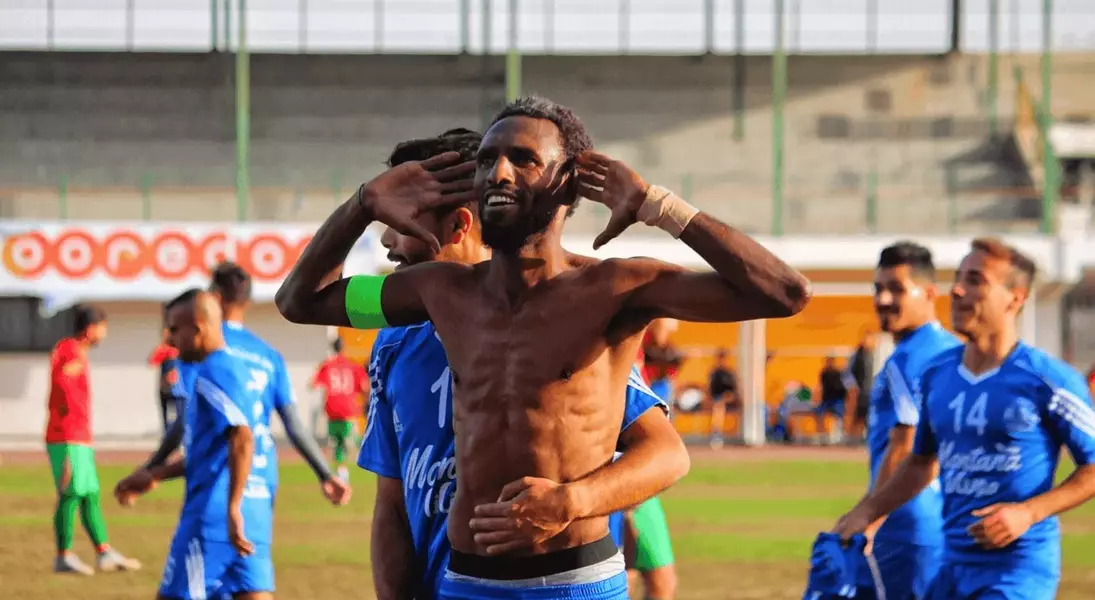


The global football community is grappling with profound questions following the untimely demise of Suleiman Obeid, a revered Palestinian football figure. His death in Gaza has sparked a crucial conversation about the sport's role in addressing complex humanitarian crises and the stark contrast in responses to different global events. This tragedy, coupled with revelations of criminal elements infiltrating Dutch football and a flurry of transfer market activities, paints a vivid picture of the diverse challenges and narratives unfolding within the international football landscape.
Unveiling the Tragic Details: The Loss of Suleiman Obeid
In a heart-wrenching development that sent shockwaves through the football fraternity, Suleiman Obeid, affectionately known by fans as the 'Palestinian Pel←' due to his exceptional talent, tragically passed away at the tender age of 43 in the beleaguered city of Khan Yunis, Gaza. This somber event occurred on a fateful day, August 6, when Obeid, amidst the ongoing conflict, was seeking vital humanitarian aid for his five young children and other family members. His family and close acquaintances reveal that he sustained fatal injuries from an explosive device deployed by an Israeli quadcopter drone, making him a poignant casualty of the escalating hostilities that reignited following the devastating attacks on Israel on October 7, 2023.
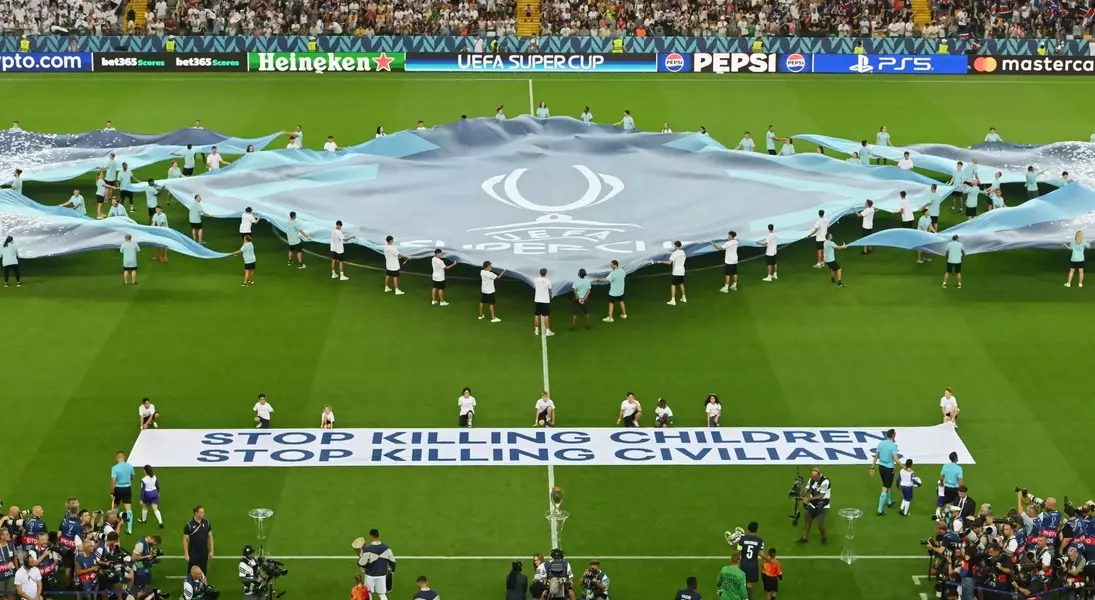
The news of Obeid's death, though deeply saddening, gained widespread attention when Egyptian international superstar Mohamed Salah publicly challenged UEFA, European football's governing body, to provide a clear explanation regarding the circumstances of Obeid's demise. Salah's direct inquiry underscored a broader concern about the football world's perceived silence or hesitant engagement with the humanitarian catastrophe unfolding in the Middle East, especially when compared to its swift and vocal support for other conflicts. The Palestinian Football Association has disclosed a grim statistic: an estimated 339 members of its community, including players, coaches, and officials, have tragically lost their lives during Israel's military response, highlighting the immense human cost of the enduring conflict.
In parallel, the football world mourned the loss of Lior Asulin, a retired Israeli forward, who was among the 1,195 individuals who perished in the Hamas attacks. These intertwined tragedies underscore the profound and multifaceted impact of the conflict on the lives of individuals from all backgrounds. The Athletic, through meticulous reporting, has endeavored to shed light on Obeid's story, revealing that his family, now displaced, had been living in a tent after their home was destroyed. Despite repeated attempts, the Israel Defence Forces (IDF) declined to comment on the incident, stating only that they had no records of casualties from their fire at aid distribution centers in Gaza on the specified date. This lack of clear answers leaves Obeid's family, and indeed the world, yearning for clarity on the 'why' behind this devastating loss, even as some of Mohamed Salah's initial questions about the 'how' and 'where' have found painful responses.
From a journalist's perspective, the death of Suleiman Obeid is a stark and deeply disturbing reminder of how geopolitical conflicts can mercilessly claim innocent lives, even those of individuals who once brought joy and inspiration through sport. Mohamed Salah's courageous and direct questioning of UEFA serves as a powerful testament to the moral responsibility that prominent public figures, particularly athletes, hold in advocating for humanity and demanding accountability. It highlights a critical paradox: while football organizations are often quick to express solidarity and support for some global crises, their response to the Israel-Palestine conflict has been notably cautious, if not reticent. This disparity raises uncomfortable questions about political expediency and the selective application of humanitarian principles within the sporting world. It underscores the urgent need for sports bodies to adopt consistent and principled stands on human rights issues, regardless of the political sensitivities involved. Obeid's story, therefore, transcends the realm of sport; it is a poignant call to action, urging the world to confront the devastating realities of conflict and to uphold the fundamental values of peace, empathy, and justice for all.
